
No Phone, No Money: How a Landlady in Palma's Old Town Rescued a Lost Guest
A morning in Palma's old town ends with a small act of heroism: a landlady takes in a confused guest until the police find his sister. Why such cases occur more often and how the city could respond better.
What happens when a tourist gets lost in Palma without a phone?
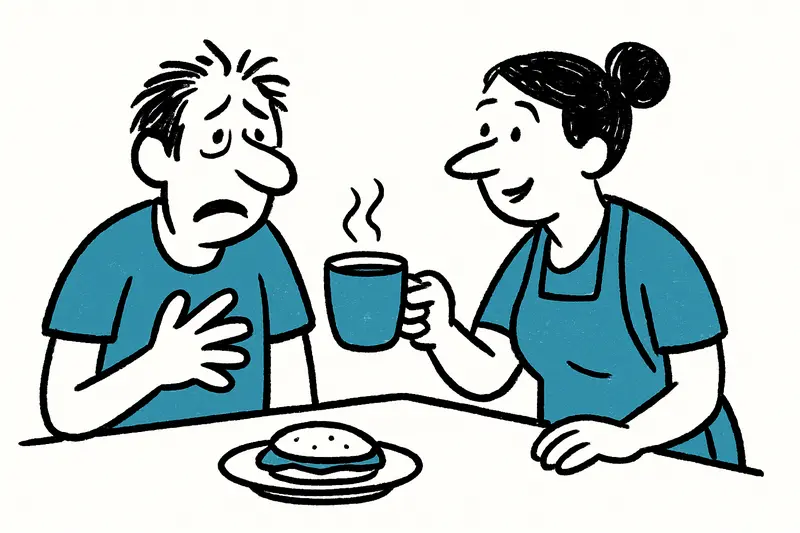
It's just before eleven, the alleys around Sant Miquel smell of freshly brewed espresso and market fish, bells are tolling, somewhere cutlery clatters. Amidst this resonant city soundscape a call for help rang in: a man was missing, according to his sister; he spoke little Spanish, carried neither phone nor cash and seemed confused. The description – light blue shirt, dark trousers, uncertain look – went out to the patrols. But before the Policía Local navigated the old-town maze, another help was already there: a landlady from a small eatery near Sant Miquel had invited the man in, given him tea and did not charge him for the bill.
A small gesture, big impact
"You notice immediately when someone is overwhelmed," the owner said later. A sentence that sounds everyday: lower your voice briefly, pull a chair closer, hand over a sandwich. For the family it was a window of calm; for the woman it was a natural act in her neighborhood. Shortly afterwards the man was identified by the police and safely returned to his sister. The reunion scene on the cobblestones – hugs, relief, a grateful wave towards the little restaurant – looked almost like a movie, only without a camera crew, with real warmth and the scent of fried fish in the air.
Main question: isolated incidents or systemic gaps?
The drama of the story is familiar and comforting because it ends well. But it raises a serious question: are these isolated incidents that caring people spontaneously resolve, or do such events point to structural gaps in the care of vulnerable travelers? The answer is probably somewhere in between. Mallorca depends on tourism, but not all visitors are merely relaxed sun-seekers. People with cognitive impairments are particularly at risk: unfamiliar noises, narrow alleys, language barriers and lack of identification can quickly lead to a crisis; recent episodes of street crime have also fueled debate about safety, for example Watch theft in Palma's Old Town: Escape ends in Barcelona – How safe are our streets?.
What is often overlooked
In public perception these scenes can easily be romanticized: the kind landlady, the helpful city. Less discussed is how often staff in hospitality, retail and tourism encounter such situations and how little formally prepared many businesses are. Communication between police, health services and businesses is not always optimal either. Another problem: many travelers do not know how to protect themselves preventively – whether by carrying emergency contacts on paper, a simple card in their wallet or saving contacts on their phone (if they have one). Staff and guests also face other risks in the city, as shown by incidents such as National Police Arrest Suspected Hotel Thief in Palma – A Safety Check for Travelers.
Concrete opportunities and solutions for Palma
There are pragmatic steps Palma could strengthen now without launching expensive infrastructure programs:
1) "Safe-Spot" network: Local authorities could offer a voluntary program for cafés, kiosks and small hotels that register as safe points. A small sticker symbol on the door would signal: help is available here, and staff know the phone numbers of the Policía Local and local emergency services.
2) Emergency cards and QR codes: A laminated sheet with short phrases in several languages ("I need help", "Call my contact") and a QR code linking to a multilingual help form costs little and helps immediately.
3) Training for guest-facing staff: Short trainings (one hour) for baristas, servers and shop staff on how to speak calmly, give first aid and alert authorities correctly could give vulnerable people much more security. The Ayuntamiento could promote such trainings; organisations offering basic courses include Cruz Roja Española first aid courses.
4) Better visibility of support offers: Tourist offices and hotels should display preventive advice on emergency preparedness: fill out cards, provide multiple copies of emergency contacts, tips for moving around the city; official guidance such as the U.S. Department of State Spain travel advisory can inform those displays.
5) Police – business cooperation: A fast reporting channel via a WhatsApp group or a local radio channel between the Policía Local and registered Safe-Spots could shorten search times. From a data-protection perspective this would be feasible if sensitive data are not shared; similar policing and tracking discussions have appeared locally, for example Phone Tracking Leads to Arrest in Palma – One Case, Many Questions.
What locals and travelers can do
Small, immediately applicable measures often suffice: offer a seat, a drink, speak slowly and in simple sentences or show an emergency form. For travelers: write emergency contacts clearly, keep a small emergency info card in your bag and, if possible, store a copy of your ID separately. It only takes five minutes but can make all the difference.
Looking ahead: neighborhood as a safety net
The episode at Sant Miquel is not a big drama but a mirror: Mallorca can help — but it needs some structure so help arrives reliably. The landlady saved that day, the police did their job, the sister found her relative again. If the city, businesses and authorities take a few organizational steps, many such scenes could in future end faster, safer and less by chance.
A final practical word: For travelers: emergency contacts on paper, a small emergency info sheet in your pocket. For hosts: a quiet place, a tea, a sheet with multilingual phrases. Sometimes a table, a tea and an open ear are enough to turn a worrying situation into a good ending — audible in the alleys, tangible in the taste of a sandwich and visible in the eyes of the people who live and work here.
Frequently asked questions
What should I do in Mallorca if I get lost without my phone or money?
Is Palma safe for tourists who are confused or travelling alone?
What is a good emergency card to carry when visiting Mallorca?
How can cafés and small businesses in Mallorca help someone who seems disoriented?
What is Sant Miquel in Palma known for?
Who should I contact in Palma if someone is missing and may be lost?
How can tourists in Mallorca prepare for getting separated from their phone?
Are there places in Mallorca where visitors can ask for immediate help?
Similar News
When Housing Becomes a Matter of Survival: Mallorca Between Rental Frenzy and Everyday Life
The case of 87-year-old Maricarmen showed that on Mallorca many people's lives are poised between affordable and uninhab...
Autumn in Mallorca: When Melancholy Gets a Window
Why autumn quietly tightens here — and how to make use of the mood: walks, culture, candles and the light from Palma to ...
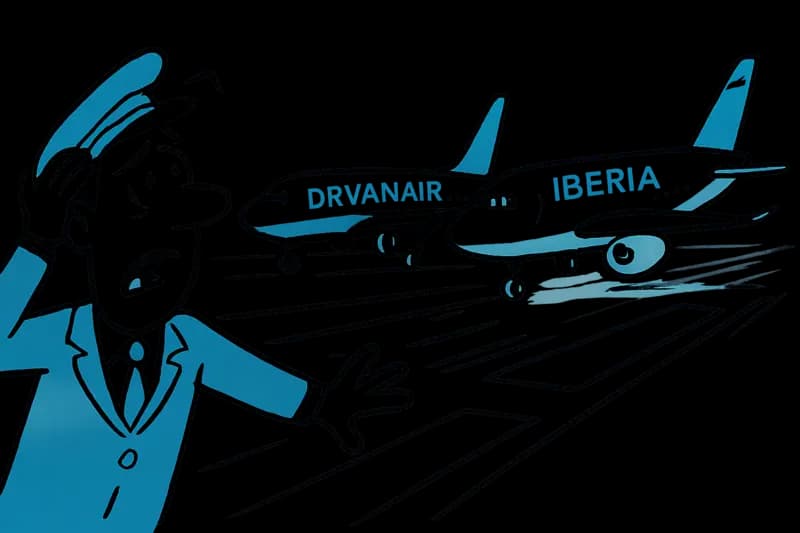
Near-miss on Lanzarote: Landing Ryanair Jet and Iberia Takeoff — what really went wrong
On Lanzarote there was a dangerous incident: A Ryanair flight (FR5910) from Dublin landed on runway 03 while an Iberia E...
Eurowings introduces new Premium Business seats on Mallorca routes
From December 1, selected Eurowings flights to Palma and other destinations will feature eight particularly generous sea...
Car on MA-13 near Inca in flames – a safety check for the island
A vehicle caught fire on the MA-13 towards Alcúdia on Tuesday afternoon. The driver was uninjured, the car was destroyed...
More to explore
Discover more interesting content

Can Cap de Bou

Townhouse Lleo 72
