
Motorhomes in Ciudad Jardín: Residents Call for Clear Rules
Motorhomes in Ciudad Jardín: Residents Call for Clear Rules
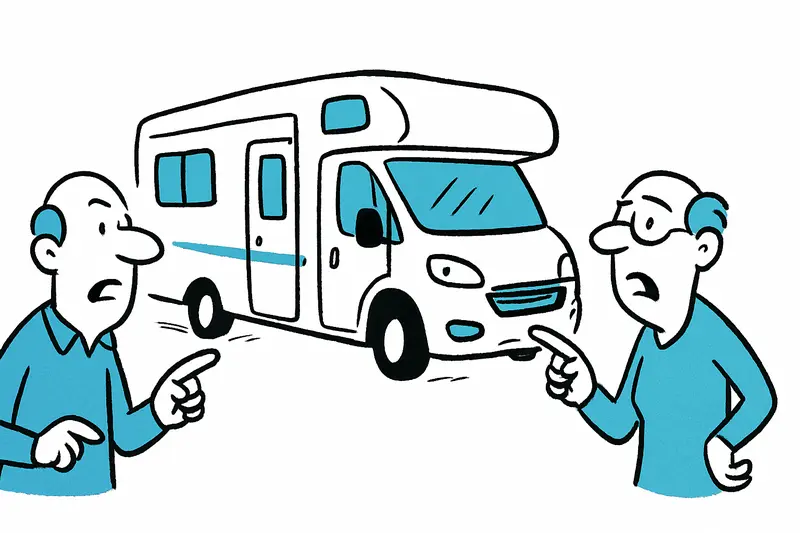
In Ciudad Jardín and Coll d'en Rabassa frustration is growing over parked motorhomes: problems range from improperly disposed wastewater to occupied parking spaces. The residents' association is urging the city to act. What concrete measures can be taken?
Motorhomes in Ciudad Jardín: Residents Call for Clear Rules
Key question: How can Palma prevent streets in residential neighborhoods from turning into makeshift campsites — without simply pushing people in need out onto the street?
What's at stake
In parts of Ciudad Jardín and the adjacent Coll d'en Rabassa patience is thin. Residents report motorhomes standing for weeks in the same corners, blocking parking spaces and causing disorder around waste collection points and the public showers — as with the abandoned motorhome in El Arenal. The local residents' association has asked the city in writing for a solution and now counts 67 parked vehicles in Coll d'en Rabassa.
Critical analysis
The problem has several layers. First: wastewater pollution. Missing or improper disposal of gray water leads to bad smells and hygiene risks, especially where showers and garbage containers are located close together. Second: lack of space. Street parking is scarce; permanent occupation by motorhomes worsens the parking shortage for residents, delivery services and visitors. Third: everyday life and the urban landscape. Dirty corners and overfilled waste sites impair quality of life — from parents with prams to older people who have to get to the supermarket.
What is missing from the public debate
The debate often focuses on assigning blame: tourist or homeless, legally or illegally parked. Less visible is the question of practical service structures: Are there enough official parking areas with hookup and disposal facilities on the island? How are controls enforced without further marginalizing people in precarious situations? The perspective of local cleaning crews and waste management staff is also often missing.
A scene from daily life in Ciudad Jardín
Early in the morning you can hear the thumping of the garbage truck in the street, the sea breeze carries the salty scent from the sea over, and next to the container there are crumpled bags. An older woman pushes her shopping trolley past, a father pushes a pram — but a large motorhome takes up two to three parking spaces on the corner. The showers at the nearby beach are clogged, the edges of the pavement are slimy. Scenes like these have driven the neighborhood to form a residents' association.
Concrete solution approaches
1. Creation or expansion of official parking areas (áreas de autocaravanas) on Mallorca, with clear signage and disposal stations for wastewater and rubbish; such offers concentrate use and reduce illegal disposal, as in the Son Serra camper area. 2. Short-term measures: temporary signs, more frequent cleaning around containers and showers, targeted controls at set times of day to identify long-term users, or quick physical solutions such as the new barrier at La Muleta. 3. Local parking management: time-limited parking permits or zones that prevent long-term parking without penalizing residents. 4. Social support: cooperation between social services, police and municipal offices to provide people in precarious situations with alternative accommodation or support offers. 5. Information campaign: clear notices in several languages about how and where motorhomes may legally dispose of waste, supplemented by a hotline or online portal for reports and complaints.
Why this can work
Successful approaches combine infrastructure, enforcement and social services. Those who only enforce simply shift the problem; those who only provide facilities do not reach everyone. Plastic tarps do not replace disposal stations, but clear rules and alternatives can reduce visible grievances — and make coexistence in the neighborhood tolerable again.
Pithy conclusion
Ciudad Jardín does not need moralizing but practical solutions: more services for motorhomes, targeted cleaning, a fair parking system and accompanying social measures. The 67 vehicles in Coll d'en Rabassa are not just a law-and-order issue, but a symptom of missing infrastructure and poor coordination. If the city administration, the neighborhood and social services pull together, the situation can be calmed — for the sake of those who live here and those who visit the island.
Frequently asked questions
What is the weather usually like in Mallorca in June?
Is June a good month to swim in Mallorca?
What should I pack for Mallorca in June?
Is June a busy time to visit Mallorca?
Is Palma de Mallorca a good place to stay in June?
What is June like in Alcúdia for a holiday?
Is June a good time for hiking in Mallorca?
What kind of clothes should I wear in Mallorca in June?
Similar News
When the Wallet Becomes a Danger: Attack in Peguera and Lessons for Mallorca
In Peguera, two women are said to have stolen the wallet from a 75-year-old German couple. When the victim intervened, t...
Plata stays Plata: Young people take over, Llonguets remain
A small bar on Carrer de l'Argenteria will continue: Tolo Serra hands the place over to young Mallorcans at the end of t...
Unnoticed in the Luggage Compartment: How a Boy Traveled More Than 100 Kilometers in a Team Bus
A minor traveled in the undercarriage of a team bus for more than 100 kilometers until his cries for help were heard. A ...

Cap Vermell Grand: Second Michelin Key – a Gift for the East
The Cap Vermell Grand in Capdepera has been awarded its second Michelin key. For the region this elevates the luxury off...
Eurowings lets four aircraft carry names – a friendly idea that also reaches Mallorca
Eurowings is launching a campaign: four Airbus A320s are to carry the first names of people who help others in everyday ...
More to explore
Discover more interesting content

Can Cap de Bou

Townhouse Lleo 72
