
Palma or Palma de Mallorca? The Name Dispute and What It Really Means
A small political initiative has sparked a large debate: Should the capital officially be called "Palma de Mallorca" — and what would that mean for everyday life, administration and identity?
What is the name dispute in Palma about?
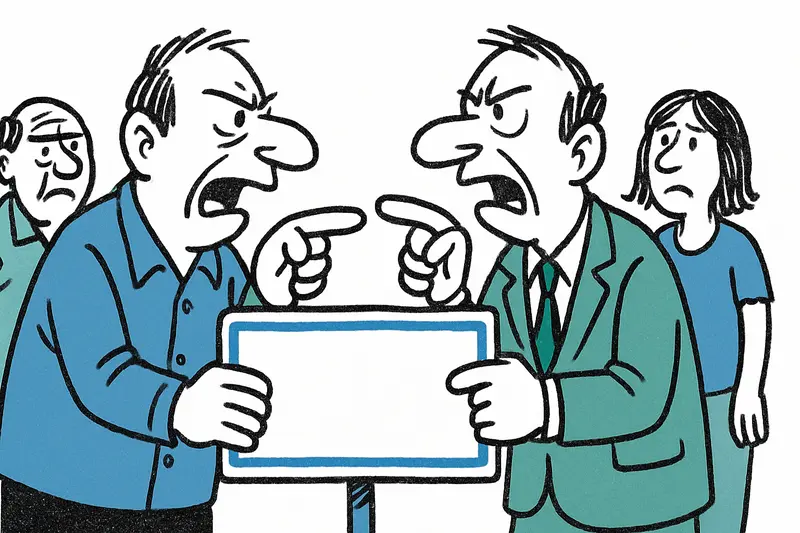
On Passeig Mallorca voices are louder this week than usual: not because of parking or the weekly market, but because of three words — Palma de Mallorca. A small political group submitted a motion and immediately the question resurfaced, one that some consider unnecessary and others see as symbolically important: What should we call our capital, as reported in Palma or Palma de Mallorca? The Name Dispute and What It Really Means?
A question with historical threads
The name is not new. Traces of Romans, Arabs and Catalan conquerors — all of that sits in the toponymic drawer. Historians in the old town cafés smile when they hear about it: the core name Palma is old and established, the suffix appears from time to time in history. Everyday language in the alleys, accompanied by the cries of seagulls and the chimes of the old churches, changes only slowly if at all.
Political impulse meets linguistic feeling
The latest initiative mainly comes from a small right-wing party, as detailed in Palma or Palma de Mallorca? The name debate returns; critics see more symbolism than practical work in it. Linguists remind us: a council resolution does not automatically change everyday speech. Authorities can set formalities, but the vendors at Mercat de l'Olivar, the early café-goers at Plaça and the young people on Carrer del Sindicat will continue to say Palma.
The quieter consequences
What is often overlooked in the public debate are the practical and financial consequences: signposts, administrative forms, municipal websites, markings at the Palma de Mallorca Airport — all of that can be renamed, but it costs money and administrative time. Less visible, but more important: decisions about symbolism divert resources and attention away from pressing problems such as housing shortages, traffic burden and infrastructure.
Who benefits — and who loses?
The central guiding question is therefore not only linguistic: Who benefits from such a name decision? For tourists a formal addition can provide clarity; for administrative matters a uniform official name may be sensible. For residents the question is one of identity: will a bureaucratic matter change their Palma? Probably not — everyday language is persistent.
Aspects that are seldom examined
1) Cost-benefit analysis: When is a name change really sensible and who pays for the signs, printed materials and digital adjustments? 2) Priorities check: Is politics discussing words while citizens search for affordable housing at night? 3) Symbol versus substance: What messages does emphasising the name send in a time of social tensions?
Concrete proposals
A pragmatic middle ground could be the best option. Proposals currently on the table include:
1. Purpose-bound name usage – Official documents, international tourism promotion and the airport use the formal Palma de Mallorca, while local everyday language keeps Palma. This combines clarity for visitors with respect for local usage.
2. Public implementation guideline – the city sets a cost framework and rules for changing signage. A transparent plan prevents surprising bills for taxpayers.
3. Participation process – a short citizens' assembly or online consultation in which residents, business owners and tourism associations can comment. Symbolic questions gain legitimacy when people are heard.
4. Shift of focus – city councillors should simultaneously clarify which substantive issues they will follow up: housing promotion, traffic management and noise protection in the neighbourhoods. Those who talk about names should also present concrete solutions for everyday life.
Why a compromise is realistic
The political energy currently flowing into the name dispute is limited. A pragmatic compromise allows the symbol to be addressed without overstretching the city administration's capacities. And importantly: people on the boulevards and in the cafés will continue to say Palma — regardless of the official seal.
What the decision means for everyday life
For many residents, everyday reality remains more important: rising rents, crowded buses, the sound of construction sites early in the morning. An official label with a different imprint won't change that. Yet the way such debates are handled says a lot about the island's political culture: are we occupied with symbols or with things that are directly felt?
Until a decision is made, one thing is certain: in the street cafés, between market stalls and the large letters at the airport, two perceptions will coexist. The city is more than its label — but whoever wants to set the label should explain what price it has and why it is more important now than the next affordable home.
Frequently asked questions
Why do people in Mallorca sometimes say Palma and sometimes Palma de Mallorca?
Would changing the official name of Palma affect everyday life in Mallorca?
Does a name change for Palma cost money for the city?
Why do some people in Mallorca want the city to be called Palma de Mallorca?
How is Palma used at Mercat de l'Olivar and other local places?
Would Palma de Mallorca Airport have to change signs if the city name changed?
What are the main arguments against changing Palma’s name in Mallorca?
What would be a practical compromise for the Palma name debate?
Similar News
Maribel: Five Decades of Service – Housekeeper from Peguera Celebrated with a Special Honor
Over 50 years in the hotel business: María Isabel “Maribel” Molinos was honored in Palma at the Nit del Turisme by Unive...
Orange Alert over Parts of Mallorca: Are We Prepared?
Dark clouds and an announced wet spell have triggered an Orange alert in parts of Mallorca. A reality check: what's miss...

Sundair & Co.: Sale speculation and what it could mean for Mallorca
Rumors about a possible sale of the airlines Sundair and Fly Air 41, which belong to Schauinsland-Reisen — and whether b...
Anne Wünsche in Mallorca: A job offer with a catch — who fits the role of personal assistant?
Influencer Anne Wünsche has left Berlin and is urgently looking for a full-time personal assistant in Mallorca. Why the ...
Daily from New York: Palma Between Boom and Strain
United will increase the Newark–Palma route to daily flights in 2027 using Boeing aircraft (231 seats). What does the in...
More to explore
Discover more interesting content

Can Cap de Bou

Townhouse Lleo 72
