
Tarjeta Única in Mallorca: Transition started — relief or new hurdles?
Since October 1 the transition phase to the Tarjeta Única has begun. At hubs like Plaça d’Espanya unrest is visible, with open questions about remaining balances, data protection and system interfaces. What is missing: clear deadlines, local help and pragmatic transition solutions.
Tarjeta Única in Mallorca: Transition started — relief or new hurdles?
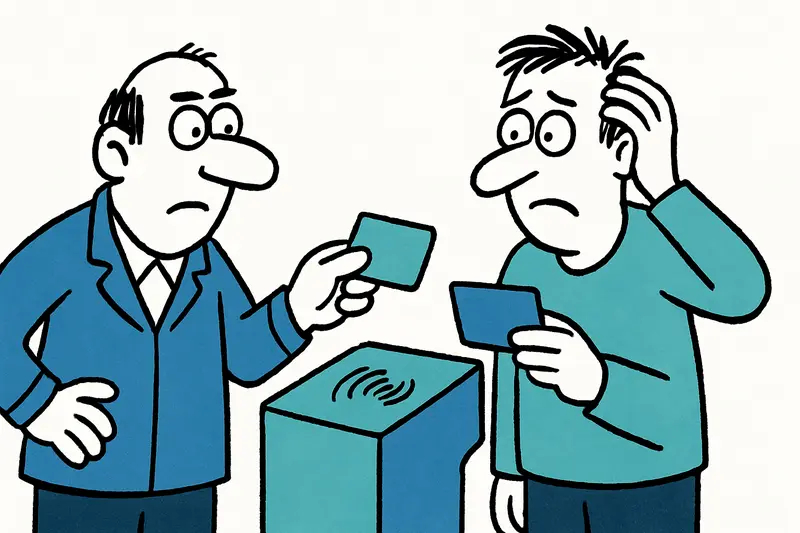
On a windy morning at Plaça d’Espanya, between the metallic clack of bus doors and the distant rattling of the SFM trains, a simple question hung over everything: Will the new Tarjeta Única really simplify everyday life on the island — or will it create new uncertainties? Since October 1 the transition phase has been running, and the answers I heard in Palma and at stations like Inca or Manacor rarely sounded reassuring.
The loud problems — balances, information and trust
The biggest complaint revolves around remaining credit: “What happens to my Tarjeta Ciudadana?” asked a woman while seagulls screeched and a city bus hissed to a stop. Authorities assure that amounts will be refunded as soon as the technology is in place. Reassuring — but without a binding timetable this remains too vague for many people. Especially for older people who top up their card at a kiosk and don’t have an email, it is unclear how they will get their money.
What is rarely said out loud
Technical details and administrative links remain in the dark: How will subscriptions from SFM, TIB (Transport de les Illes Balears) and EMT Palma be transferred to the new system? Who bears responsibility if data is lost or not fully migrated? In small municipalities, where the town hall is often the first point of contact, a complicated data migration could take longer — and a significant portion of the population that is less digitally connected lives there.
Concrete everyday concerns
An elderly man told me he always tops up his card at the kiosk in Son Sardina. Without an online account, without an email address — he does not understand how he should register for refunds. Families with multiple card profiles for children, students with special fares and longer-staying tourist groups need simple, visible transition paths. Otherwise, at stops it could quickly become confusing if readers stop accepting older cards.
Politics, communication and missing milestones
The opposition calls the rollout rushed; the criticism hits an important point: there is a lack of concrete communication. No clear FAQs, no fixed contacts, no deadlines for refunds. Authorities promise improvements — but promises are worth little if they are not supported by verifiable milestones. Trust grows through reliability, not through well-sounding declarations of intent.
The often overlooked questions
Some aspects are rarely examined in the public debate: data protection during migration — how long will historical travel data be stored? interoperability — will new fare traps arise between zones and operators? staff and training — are kiosk operators, bus drivers and station staff trained to help immediately? These technical points have direct consequences for daily mobility — and yet they often remain hidden behind general explanations.
Pragmatic proposals that would help immediately
The rollout does not have to end in chaos. A few concrete steps could quickly ease the situation:
Binding roadmap: Clear cut-off dates for deactivating old cards, automated refunds and the complete integration of systems. People need deadlines, not “soon” promises.
Transparent communication: Short info messages on buses and trains, notices in town halls, SMS notifications for registered users and an easy-to-access online FAQ with screenshots. In Llucmajor or Sóller, clear instructions reach more people than confusing administrative forms.
Mobile and offline alternatives: Temporary mobile top-ups, printed receipts at machines and the option to transfer credit by bank transfer. For users without a smartphone, telephone hotlines and in-person counters are indispensable.
Stronger on-site presence: Pop-up information stands at hubs like Plaça d’Espanya, Son Sardina and at the train stations in Inca and Manacor. Staff could check cards there, transfer balances and answer questions on the spot — visible and trust-building.
Clear refund processes: Automated refunds with deadlines and receipts; until then interim solutions like voucher options. No one wants to wait months for a few euros.
Why the idea still has a future
The basic idea is right: a unified payment system across the island saves time, reduces accidental purchases and makes transfers more pleasant — provided the technology and communication are right. If those responsible improve now, the system will be a gain for commuters, students, tourists and locals. If not, everyday life will pay the price in increased confusion.
My appeal to those responsible: Publish a clear timetable, open visible information points and ensure simple refunds. And to users: secure proof of your old card now, ask at the town hall and use local information stands. A short phone call often helps more than hours of guessing in the wind at a stop.
I will keep following this, listening to voices from Palma, the line to Llucmajor and the villages in between. If you have concrete cases, write to me — such reports make gaps visible and create pressure for practical solutions.
Frequently asked questions
What should I do if I still have credit on my old Tarjeta Ciudadana in Mallorca?
How long will the Tarjeta Única transition take in Mallorca?
Can I still use my old transport card on buses and trains in Mallorca?
Where can I get help with Tarjeta Única problems in Mallorca?
How will Tarjeta Única affect people in small towns across Mallorca?
What should older people in Mallorca do if they do not have email or online banking?
What kind of information should Mallorca transport users look out for during the changeover?
Why are people in Mallorca worried about the Tarjeta Única rollout?
Similar News
First Day, First Consequences: What Palma's Rent Freeze Really Means
A new decree stops a planned eviction in Palma — but what really changes for tenants and landlords? A reality check with...
When Housing Becomes a Matter of Survival: Mallorca Between Rental Frenzy and Everyday Life
The case of 87-year-old Maricarmen showed that on Mallorca many people's lives are poised between affordable and uninhab...
Autumn in Mallorca: When Melancholy Gets a Window
Why autumn quietly tightens here — and how to make use of the mood: walks, culture, candles and the light from Palma to ...
Near-miss on Lanzarote: Landing Ryanair Jet and Iberia Takeoff — what really went wrong
On Lanzarote there was a dangerous incident: A Ryanair flight (FR5910) from Dublin landed on runway 03 while an Iberia E...
Eurowings introduces new Premium Business seats on Mallorca routes
From December 1, selected Eurowings flights to Palma and other destinations will feature eight particularly generous sea...
More to explore
Discover more interesting content

Can Cap de Bou

Townhouse Lleo 72
