
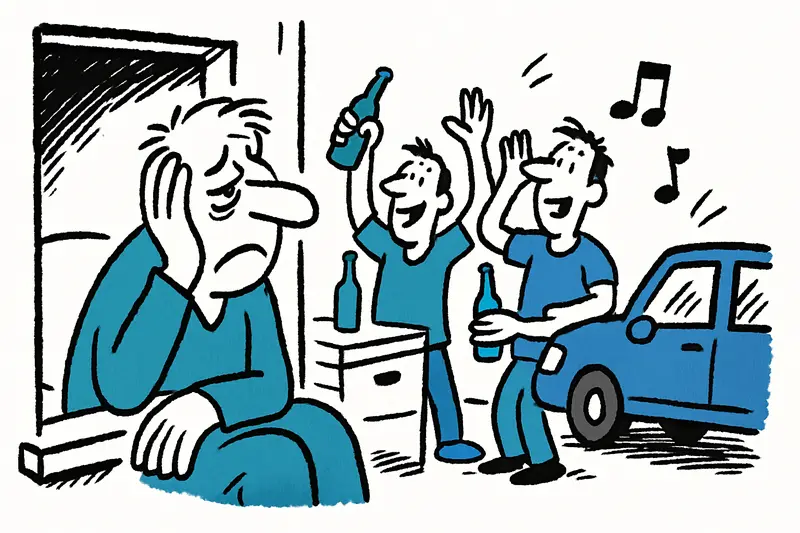
Sleepless Nights in Nou Llevant: When the Street Keeps You Awake
For months residents in Nou Llevant have been struggling with nighttime noise, racing and improvised parties. The central question: How can night-time peace and safety be restored without criminalising the neighbourhood?
When the Night Becomes a Burden: Nou Llevant Between Everyday Life and a State of Emergency
It is that particular summer heat, when the air on the Carrer de l'Arquitecte is still warm and the windows are open — and then suddenly the quiet is overrun by revving engines, booming bass and the clink of glass. Residents report nights that feel like an endless loop of botellones, short car races and spontaneous parties. This has been documented in Nighttime Noise and Speeding in Nou Llevant: German Residents Demand Quiet.
Key Question: How Do We Take Back the Night?
The central question is not only who is making the noise, but how the city, the police and the neighbourhood can work together so that quiet and safety become the norm again. It's not about bans for their own sake, residents say, but about enforcement and trust: Who responds when engines roar for hours? How are damages investigated, and how are the injured helped? These questions touch on legal, staffing and urban-planning levels — and they are often passed on without clear answers. Local reporting on Late-night racing on Avinguda Mèxic: residents demand quiet illustrates how recurring races escalate tensions.
What Has Often Been Overlooked
Public debate is dominated by images of young revelers and loud cars. Rarely mentioned, however, is that many interventions fail because police forces are tied up across large parts of the island and administrative offence procedures are lengthy. Late-night alcohol sales, the role of regional youth cultures and mobility from the mainland also intensify the dynamics. Added to this: street design and lighting favour meeting points, narrow alleys create acoustics that amplify noise — technical details that rarely make it into press releases but reach straight into people's bedrooms.
Concrete Short- and Mid-term Measures
What would help quickly? More visible presence during the night hours would be a start: targeted patrols on weekends, regular checks of loud exhaust systems and mobile noise meters that document violations. Temporary closures of smaller side streets on critical evenings could weaken meeting points. Practical and painless: clear, binding rules for late-night alcohol sales and coordination with venues so private parties are not shifted outdoors.
In the mid-term, a bundle of administration and neighbourhood work is needed: a hotline for recurring disturbances with quickly visible measures, a digital reporting system with anonymised analysis and sanctions, and awareness campaigns in schools and on social networks. Night ambassadors — trained staff who mediate between revellers and residents — work well in other cities and could have a de-escalating effect here too.
Long-term Perspective: Planning Instead of Displacement
In the long term it's about urban planning. Where do public meeting points that attract young people emerge? Where are legal alternatives for nighttime gatherings missing? Investments in noise-absorbing road surfaces, greenery as sound barriers and better street design can change the acoustic landscape. At the same time, the city could support club-like venues for late hours — not as displacement, but as an offer that creates safe conditions.
Between Frustration and Pragmatism
The atmosphere in Nou Llevant is tense: an older neighbour speaks of sleeplessness, a young father has moved the baby into the living room to find quiet. The fear after some nocturnal tensions is real, as is the helplessness when complaints receive only standard responses from the town hall. At the same time the demand of many residents is clear: they do not want the criminalisation of young people, but manageable rules and visible presence that restore a sense of safety.
Mallorca's nights should keep their magic — but please not at three in the morning on the Carrer de l'Arquitecte. Realistically, it will take the courage to combine measures: short-term controls, mid-term mediation offers and long-term planning. The clock is ticking — not only for those trying to sleep, but for a neighbourhood that has much to offer by day and must not become a burden at night.
Frequently asked questions
Why is Nou Llevant in Palma so noisy at night?
What can residents in Mallorca do about repeated nighttime noise?
How does summer heat affect noise problems in Palma neighbourhoods?
Is street racing a known problem in Mallorca?
What short-term measures could reduce night noise in Nou Llevant?
Why are noise complaints in Palma sometimes slow to get a response?
What long-term solutions could help neighbourhoods like Nou Llevant in Mallorca?
What is the best time of year to visit Mallorca if you want quieter evenings?
Similar News
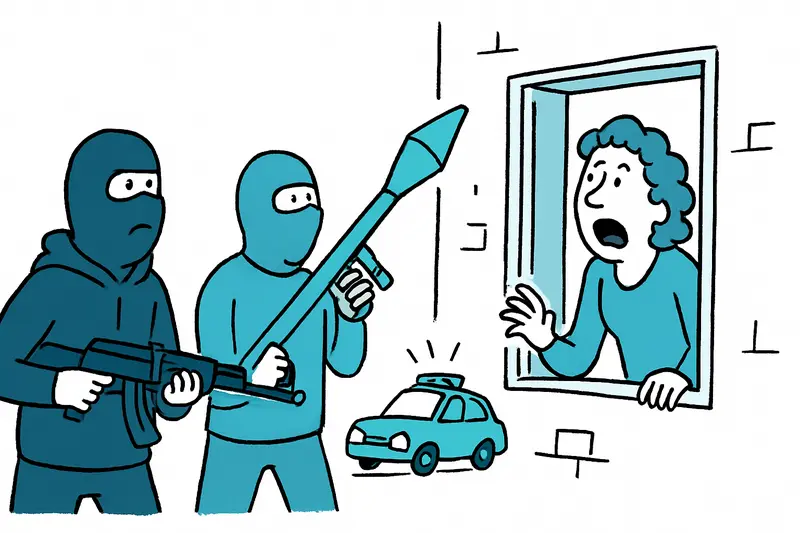
Masked Images, Real Panic: When Social Media Aesthetics Alarm Neighbors
Five German content creators filmed on a recently vacated detention site using deceptively realistic props. The result: ...
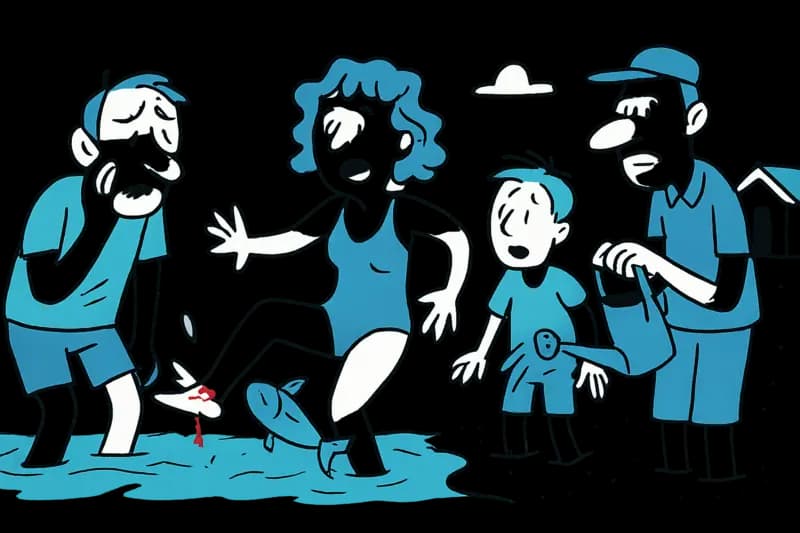
Why the Striped Breams in Cala Pí Should Be a Wake-up Call
Once again bathers in Cala Pí were surrounded while swimming by small, nippy fish — some wounds bled. Time for clear rul...

Daily from New York: How Palma's Air Traffic Is Growing — and What Must Change
United will increase the Newark–Palma service to daily flights in 2027 (Boeing, 231 seats). Strong tourist numbers clash...

When Love Ends in Shards: Destruction in Son Vida and the Questions That Remain
In Son Vida a relationship dispute escalated: a woman destroyed furniture in a luxury villa, later pressed a panic butto...
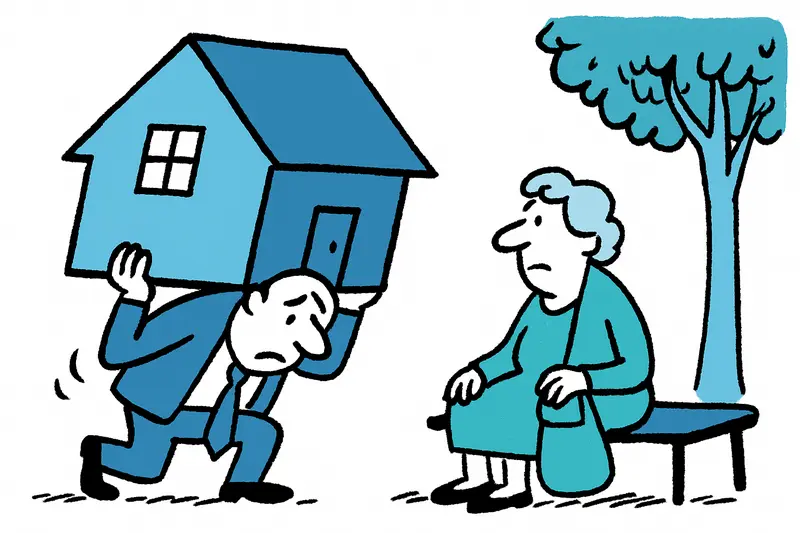
Who Bears the Burden? Mallorca Between Tenant Protection and Landlord Fears
Madrid's new housing decrees strengthen tenant rights — but on Mallorca concern is growing: will the law drive small lan...
More to explore
Discover more interesting content

Can Cap de Bou

Townhouse Lleo 72
