
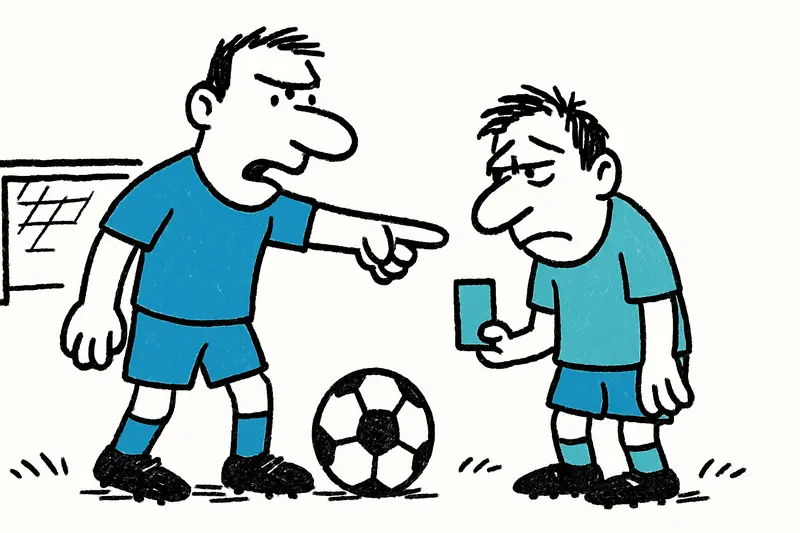
Two dismissals trigger a crisis? Mallorca after 0-3 to Barça faces tough questions
At Son Moix hopes met harshness: two early dismissals and a quick deficit exposed structural weaknesses at Real Mallorca. Coach Jagoba Arrasate must find rapid solutions — tactically, mentally and in discipline.
Too quick, too much risk: how two dismissals tore the game apart
Son Moix had that special atmosphere again on Saturday: a hum of voices, the rattling of standing-scarves and the heat that lingers long in the stands. At the start Mallorca looked determined, fan chants kicked in. But two early dismissals — Manu Morlanes with a second yellow, shortly after Vedat Muriqi — took away the team's tempo and structure. Suddenly the rhythm was gone, spaces opened and Barcelona warmed up in compactness.
The central question: Is it a discipline problem or a structural one?
The Poor Start: RCD Mallorca 0-3 to Barcelona – Son Moix Left Disappointed reads clearly, but the real question remains: was it individual carelessness or a plan that collapses in critical moments? If a team loses two players on the match sheet already in the first half, that's not just bad luck. It's a symptom. Heads dropped — not dramatically, but noticeably. The consequence: less possession, worse positioning and a midfield that couldn't build itself as a shield.
Aspects rarely debated aloud
1) Leadership structure on the pitch: who takes responsibility when the game turns? A clear internal compass is sometimes missing in tight matches. 2) Preparation for hectic phases: coaching teams rehearse pressing, but how often do they practice playing with one man less? 3) Set-pieces and marking: small mistakes on corners or second balls were immediately punished. These details decide matches against top teams. 4) Emotion vs. calculation: the balance between aggressive hardness and unnecessary fouls must be better calibrated.
Concrete problem areas and quick solutions
There are no miracle cures, but there are concrete levers Arrasate and his staff can adjust:
Discipline workshops: Clear rules for tackling, defined 'no-go' fouls and sanctions for breaches. It sounds banal, but is effective against second-yellow situations.
Train man-down scenarios: Sessions where the team deliberately plays with ten and nine men. Ball circulation, compact lines and clever time management become automated.
Tactical flexibility: A Plan B for early numerical inferiority — for example a tighter 4-4-1 with quick diagonal passes instead of forcing the usual buildup. More long balls in behind, controlled single-file play, fewer risky lateral passes in midfield.
Strengthen leadership roles: The captain and senior players need clearer mandates to dial down emotions in heated moments. A short, clear command can turn a game.
What was heard and seen in Son Moix
After the dismissals it was as if a sound lid had dropped: less singing, more frowns; vendors called their last chip orders, the wind pushed a few early leaves across the stands. Barcelona used the calm and played patiently. Lamine Yamal arrived with pace and put the lid on. No drama, rather the sober punishment of inaccuracies.
Looking ahead: Celta as the first chance to respond
Next Saturday (23 August, 17:00) against Celta de Vigo offers a chance to react, as previewed in Son Moix in Focus: Can Mallorca React After the Barça Defeat?. This is not a motto but an obligation: be more solid defensively, maintain discipline and be smarter in challenges. If Mallorca addresses the issues above consistently in training, a quick learning process is possible.
Conclusion: Short-term learning needed, not a systemic crisis
A 0:3 loss to a favorite like Barcelona is painful, but not existential. More worrying are the circumstances: two dismissals in one match are a warning sign, as explored in Red Alert: Why Mallorca's Crisis Runs Deeper Than the 0-1 in San Sebastián. The solution lies in clear, pragmatic measures — better preparation for being reduced, stronger leadership and disciplined tackling. Son Moix will sing again; whether louder or quieter depends on how quickly the team draws the right lessons.
Frequently asked questions
Why did Mallorca lose control so quickly against Barcelona at Son Moix?
Is Mallorca’s discipline becoming a bigger problem this season?
How can Mallorca improve when they go down to ten men?
What should Mallorca change tactically after the Barcelona defeat?
Was the atmosphere at Son Moix affected by the red cards?
Who needs to step up for Mallorca when a match turns difficult?
Can Mallorca recover quickly after losing 0-3 to Barcelona?
What does Mallorca need to do against Celta de Vigo next?
Similar News
First Day, First Consequences: What Palma's Rent Freeze Really Means
A new decree stops a planned eviction in Palma — but what really changes for tenants and landlords? A reality check with...
When Housing Becomes a Matter of Survival: Mallorca Between Rental Frenzy and Everyday Life
The case of 87-year-old Maricarmen showed that on Mallorca many people's lives are poised between affordable and uninhab...
Autumn in Mallorca: When Melancholy Gets a Window
Why autumn quietly tightens here — and how to make use of the mood: walks, culture, candles and the light from Palma to ...
Near-miss on Lanzarote: Landing Ryanair Jet and Iberia Takeoff — what really went wrong
On Lanzarote there was a dangerous incident: A Ryanair flight (FR5910) from Dublin landed on runway 03 while an Iberia E...
Eurowings introduces new Premium Business seats on Mallorca routes
From December 1, selected Eurowings flights to Palma and other destinations will feature eight particularly generous sea...
More to explore
Discover more interesting content

Can Cap de Bou

Townhouse Lleo 72
