
Palma de Mallorca 2025: 33.8 Million Passengers - More Activity, More Life on the Island
Palma de Mallorca 2025: 33.8 Million Passengers - More Activity, More Life on the Island
Palma airport recorded around 33.8 million passengers in 2025 — 1.5% more than the previous year. Visitors from Germany, the UK and Switzerland filled the terminals.
Palma de Mallorca 2025: 33.8 Million Passengers - More Activity, More Life on the Island
What the numbers mean for everyday life, the economy and beach culture
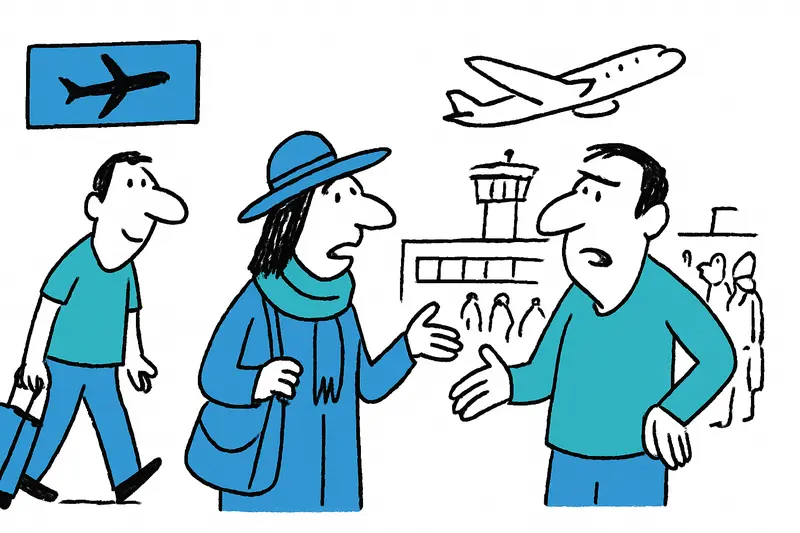
In the arrivals area of the airport, suitcase wheels click again in the same rhythm as the tram over the Plaça d'Espanya. In 2025 Palma de Mallorca, according to airport operator Aena, counted around 33.8 million passengers – 1.5 percent more than the year before. For the island this means: full terminals, more movement in the taxi ranks on Avenida Argentina and again more voices on the Paseo Marítimo.
Almost 246,500 take-offs and landings were recorded. These are the planes that arrive over the bay in the morning and take the sunset as a silhouette in the evening. December also ran well: more than one million travelers and around 9,800 flights in that month alone. Aena names Germany, the UK and Switzerland as the main countries of origin – the halls are therefore still internationally filled.
You can feel it locally: the baker on Plaça del Mercat opens earlier because the first shuttle guests are already in town at seven. Small hotels in Portixol report spontaneous extensions, restaurants in Santa Catalina fill an additional shift with breakfast guests. At lunchtime you now hear English and German more often among the fish dishes on Carrer Sant Miquel.
For the island's economy such numbers are an engine. More guests mean not only bookings for hotels and flights. Taxi drivers, bus companies, bicycle and Segway rental firms, but also the market women at the weekly stalls benefit when travelers stay longer or come more often. Many businesses at the airport feel it directly: baggage services, cafés and small shops are running at full speed.
The development also brings a small everyday-effect: the 2025/26 flight schedule becomes denser, peak times shift, and anyone who travels to the airport during rush hour now needs to plan. For Mallorcans this means adjusting the thermos coffee cup to the traffic and allowing a little more time for the ferry or the bus.
At the same time there is room for positive ideas: if passenger numbers remain stable, infrastructure can be used more flexibly. Longer opening hours at tourist hotspots can distribute visitor flows. Shuttle cooperations between hotels and airport transfers could avoid empty runs. Smaller businesses along the approach roads can tailor offers for early arrivals — from a breakfast package to a city map with insider tips, a point also discussed as the Balearic Islands surpass the 20-million mark.
For the travel industry itself this is a reminder to think in terms of service: clear displays, enough luggage trolleys, friendly signage and more seating at the gates make the journey more pleasant — not only for guests but also for the employees who ensure every day that luggage, catering and crew run smoothly.
And the island? It benefits audibly: more voices on the beach, occasionally full streets, but also more revenue for cafés and shops. Anyone strolling through the Parc de la Mar on a sunny morning quickly notices that the mix of tourists and locals is present again: children's voices, cyclists, snippets of conversation in several languages.
Aena's figures are therefore more than statistics; they are a pulse you can hear in Palma's streets. That is not only good for the tills — it is also an opportunity to organize everyday life and services on the island smartly so that travelers are welcome and Mallorca remains livable. For travelers: a little advance planning saves nerves; for businesses: some flexibility pays off. And otherwise: an espresso, the sun on your shoulder and an eye for the small opportunities this livelier island brings.
Frequently asked questions
Is Mallorca busier in 2025 because of more airport passengers?
What does a busy Palma de Mallorca Airport mean for getting around the island?
Which countries send the most travelers to Mallorca?
Is winter still a good time to fly to Mallorca?
What should I know before traveling through Palma de Mallorca Airport during busy periods?
How does more air traffic affect Mallorca's local economy?
What is it like in Santa Catalina when Mallorca is very busy?
Does more tourism make Mallorca less livable for locals?
Similar News

Warning to Bathers: Nipping Fish in Cala Major and Other Coves — a Reality Check
In Cala Major and several beaches around Mallorca, bathers report painful “nips”. Who are the animals, why are they gett...

Rental Car Theft in El Arenal: What This Incident Reveals About Our Gaps
A teenager steals a running rental car in El Arenal, flees on foot, climbs over walls and is caught by the Guardia Civil...

Red Rope in Palma's Library: What Helps Against Selfie Tourism — and What's Missing
Palma's city library cordoned off an area with a red rope to keep selfie tourism away from reading and working activitie...

Fort San Carlos: Museum, Harbor Dispute — and a Conflict That Demands Answers
The military museum at Fort San Carlos sits right on Palma's harbor, with unexpectedly quiet rooms filled with cannons a...

Old Town Under Pressure: When a Doorway Becomes a Sleeping and Shower Place
For months a woman has been living with a parasol, a clothes rack and personal belongings next to the social welfare off...
More to explore
Discover more interesting content

Can Cap de Bou

Townhouse Lleo 72
