
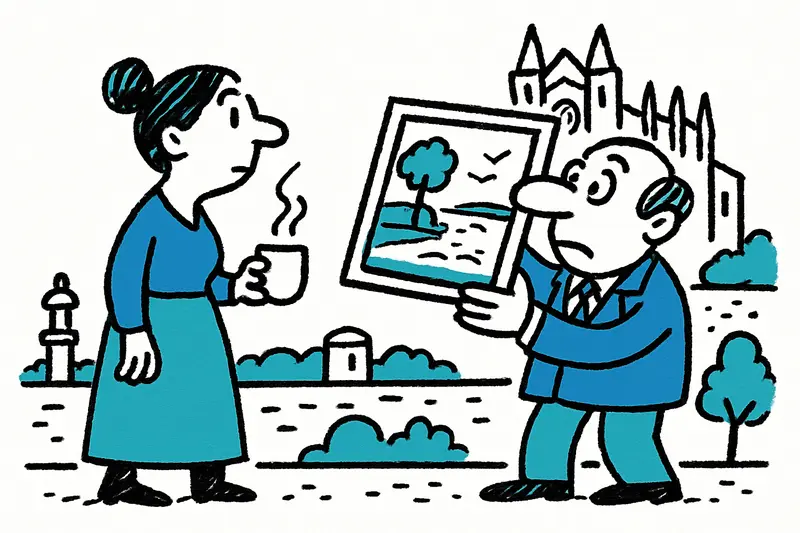
Palma, silently beautiful: A walk into the city a hundred years ago
Old photos open windows into another Palma reality: fewer engines, more scent of bread and olives, horses' hooves on cobblestones. A plea for careful looking - and for storytelling with the neighbors.
Palma, silently beautiful: A walk into the city a hundred years ago
A picture can mean more than a line of history. When leafing through old photographs of Palma, it suddenly becomes audible how the city used to be: less noise, different rhythms, scents that today are often found only in memory. Not the tourist postcard illusion, but everyday life - warm bread, sea air and the rich scent of olive oil drifting from an inner courtyard.
Familiar places, unfamiliar soundscape
The Passeig del Born, the steps in front of the Cathedral of Santa Maria of Palma, the small Font de la Tortuga - all familiar spots, but the scene is different. Instead of e-scooters and tour guides you see horse-drawn carts, baskets of oranges and women in long skirts. The constant drone of engines is missing. Instead, sounds like the clatter of hooves, the rustle of fabric and occasional voices with a Mallorcan accent dominate. It's as if someone has set the city's sound to quieter tones.
The art of detail
The fascination lies in small things: a lamp with flaking paint, shutters that still bear the same coat of paint as decades ago, or vendors spreading out their goods on mossy steps. These scenes force us to look differently. No staged subject, no perfect perspective - just everyday life, sometimes rough, sometimes tender. If you look closely you discover tradesmen's marks, small graffiti from the past, the shadow of a network of clotheslines above narrow alleys.
What the internet does with them
It is interesting how such photos come to life again in the digital space today, as seen in Palma en el retrovisor: cómo sonaba y olía la ciudad hace 100 años. In local groups people comment, add street names, link pictures from different decades. Older readers remember shops that have long since closed and share short anecdotes. Younger ones scan the same corner with their phones and post current counterpart images. This coexistence creates a kind of collective memory - faster than telling stories on a park bench, but often just as personal.
Why this matters for Palma
Old photographs are more than pretty nostalgia. They provide orientation: what shaped the city? What has disappeared? For the island this has concrete meaning. Those who know the stories encounter Palma differently - with curiosity instead of entitlement, with respect instead of consumption. That protects neighborhoods and strengthens small businesses: bakeries, workshops, traditional bars. More sustainable tourism often begins with a sensitivity to these details.
A practical suggestion
My tip for the next walk: Take your time on the Born, don't just look at the sea or your smartphone. Listen to the steps on the stone, search for old door signs, talk to the shopkeeper on the corner. Ask for names, for scents, for what people used to eat here. Often a whole suitcase of little city stories will open up.
In the end it is the combination of photo, conversation and memory that keeps Palma alive. An old image can open a door - to a shop, to a story, to a person. And if we open these doors more often on purpose, the island remains not only aesthetically but also socially preserved. Walk a bit slower, listen more: that would be a beautiful legacy of the pictures of yesterday.
Tags: Photo series, Nostalgia, Palma, History, Memory
Frequently asked questions
What did Palma feel like a hundred years ago?
Why are old photos of Palma so interesting?
What can you still notice today on a walk through central Palma?
Is the Passeig del Born in Palma very different from the past?
How has the area around Palma Cathedral changed over time?
What sounds would you have heard in old Palma?
What should I bring for a slow walk through Palma?
How can old photographs help preserve Palma’s character?
Similar News
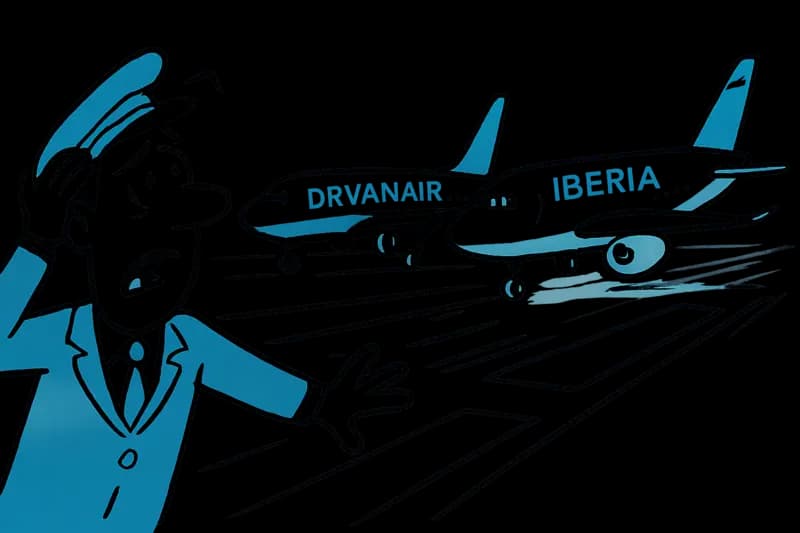
Near-miss on Lanzarote: Landing Ryanair Jet and Iberia Takeoff — what really went wrong
On Lanzarote there was a dangerous incident: A Ryanair flight (FR5910) from Dublin landed on runway 03 while an Iberia E...
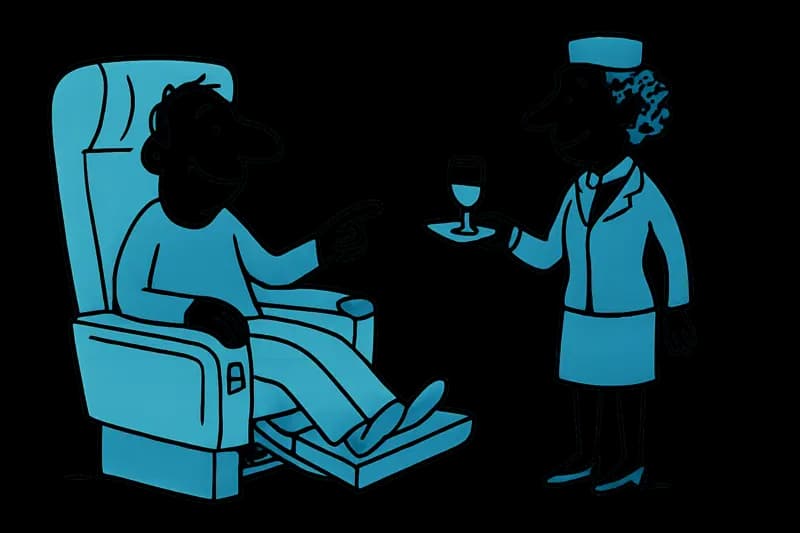
Eurowings introduces new Premium Business seats on Mallorca routes
From December 1, selected Eurowings flights to Palma and other destinations will feature eight particularly generous sea...
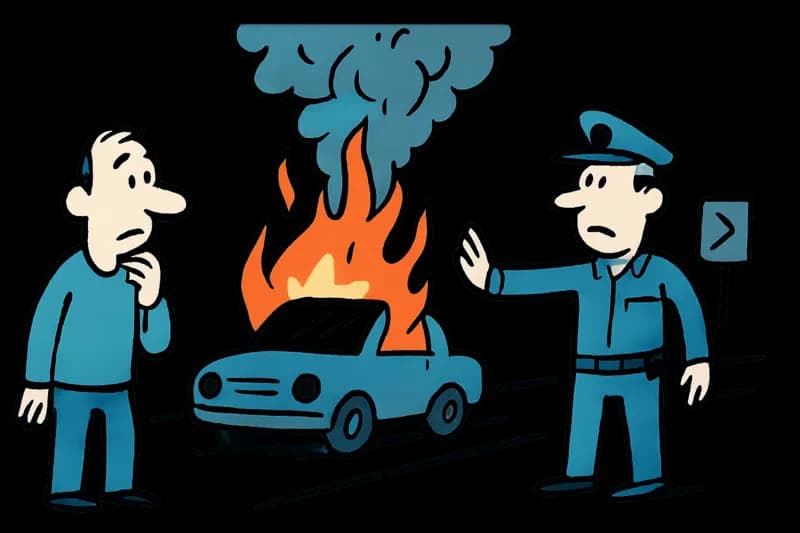
Car on MA-13 near Inca in flames – a safety check for the island
A vehicle caught fire on the MA-13 towards Alcúdia on Tuesday afternoon. The driver was uninjured, the car was destroyed...

Real Estate in Mallorca: Fewer Buyers, Higher Prices — What's Behind It?
Sales on Mallorca are falling, yet prices continue to climb. Why fewer transactions do not equal relief — and what shoul...
Just Bought — Already Trouble: Water Damage in the Heiters' Villa and What Owners in Mallorca Should Know Now
A newly purchased sea-view property — and within days a water damage. What risks lurk in new properties in Mallorca, and...
More to explore
Discover more interesting content

Can Cap de Bou

Townhouse Lleo 72
