
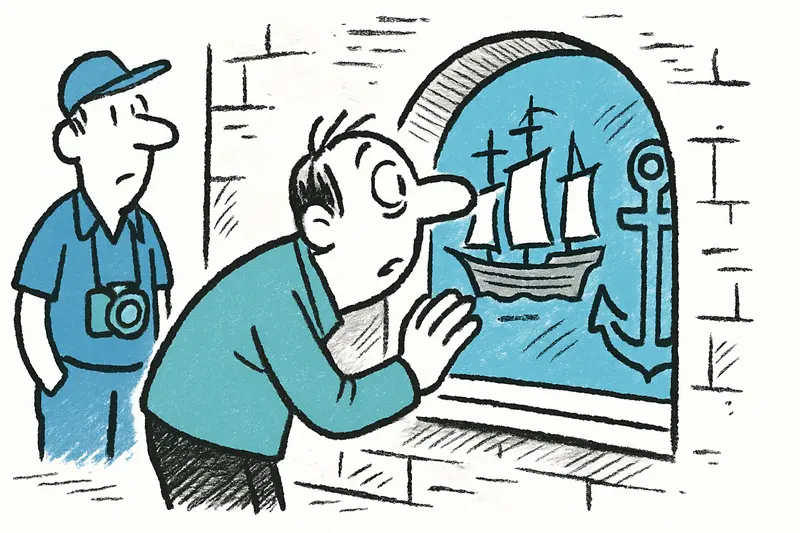
Under the Seu: Palma's Maritime Museum Reopens After Renovation
After a long quiet period: the Maritime Museum beneath Palma's cathedral has reopened. A modern, accessible space tells everyday island stories — ideal for a half morning in Palma.
Finally open again: The Maritime Museum now fresh and tranquil beneath the cathedral
Yesterday afternoon, as a warm sea breeze swept through the alleys and the bells of the Seu kept time with the old town, Palma's Maritime Museum reopened its doors after a long renovation. You immediately feel that you are beneath Palma Cathedral (La Seu): the stairs from the Plaça de la Seu lead down, tourists chat outside, inside it is quieter — you can only occasionally hear the distant cry of seagulls.
What awaits visitors
The museum presents itself as modern but restrained: five rooms with clear focuses, short videos, audio stations and a dedicated education area. The exhibition relies less on grand maritime romance and more on small, concrete stories. In display cases, sailing ship models stand beside navigational instruments, and the underwater finds are especially surprising: ceramic shards, bronze buckles, a few abraded bottle bottoms — objects that tell of trade, storms and everyday life on board.
Accessibility is not an add-on but part of the concept: wide paths, ramps, tactile guidance systems and audiovisual offerings for people with visual or hearing impairments. That makes the place open and welcoming, not like a dusty showcase. For families there is a small, functional education area — ideal for school classes that can find tangible history here instead of abstract data.
Practical tips for the visit
The museum is open Tuesday to Sunday from 10:00 to 17:00, and admission is free. This makes a visit perfect after a café on the Passeig del Born or before a walk along the Passeig Marítim. Mornings are the quietest; at midday tour groups can briefly make the flow of visitors livelier.
Guided tours and special programs have been announced, with exact dates to be published in the coming weeks. Those coming with children or in a larger group should check the website or call ahead — a short phone call can sometimes save long waits.
Between local history and everyday life
What makes this place special is its down-to-earth quality. Instead of mythological seafaring dramas there are tools, finds and everyday stories: how food transport worked, what dangers lurked on Mallorca's coasts, and what life aboard really looked like. You leave the museum with a sense of familiarity — a little like having listened to an old neighbor tell stories from life.
It would be nice if the museum included even more local voices in the future: memories from fishermen, interviews with divers, collaborations with schools from coastal towns — that would make the exhibits even more vivid. But even now the Maritime Museum is a quiet, worthwhile discovery.
So: next time in Palma — go down, take a look. Half a morning is enough to learn something new about trade, accidents and the quiet life at sea. And if you feel like it afterwards: a walk to the waterfront, an espresso, maybe a chat with an old sailor — the city continues to tell its stories outside, above the roofs of the exhibition.
Frequently asked questions
Is Palma’s Maritime Museum worth visiting after the renovation?
What can you see inside Palma’s Maritime Museum?
Is Palma’s Maritime Museum free to enter?
What are the opening hours of Palma’s Maritime Museum?
Is Palma’s Maritime Museum accessible for wheelchairs and visitors with disabilities?
Is Palma’s Maritime Museum suitable for children and school groups?
Where is Palma’s Maritime Museum located?
When is the best time to visit Palma’s Maritime Museum?
Similar News

Palmanova: Bathers rescue unconscious man — but questions remain
In the morning, an approximately 65-year-old man was pulled unconscious from the water off the coast of Palmanova. Rescu...

Arrests after Beach Thefts: How Safe Are Mallorca's Beaches Really?
After a large-scale operation, 19 suspects were arrested. The case raises questions: why were thieves able to strike for...
No more tap water in Cala Millor – what happens when the tap runs dry?
Sant Llorenç del Cardassar has cut fresh water services at beaches due to the drought and issued further usage bans. Who...

Trash everywhere at Consell–Alaró station: Why the mess doesn't just disappear
The station between Consell and Alaró is full of bottles, bags and littered fences. Who is responsible remains unclear —...

When coercive fines aren't enough: Could holiday rental owners soon face prosecution?
The island administration is stepping up action against unauthorized holiday rentals: high daily coercive fines up to €5...
More to explore
Discover more interesting content

Can Cap de Bou

Townhouse Lleo 72
