
Paseo Marítimo: Palma's new green oasis — but who will maintain it?
Between Club de Mar and the ferry pier, Palma has gained a new green space with 1,800 trees, a playground and a bike lane. A welcome refresh for the harbor promenade — but questions about maintenance, water and delivery logistics remain.
Paseo Marítimo: A new oasis — and a simple question
Who will ensure that Palma's new green belt on the Paseo Marítimo doesn't thin out again after a few summer seasons? That's the key question when walking today between Club de Mar and the excursion boat pier: you can still smell the fresh soil, hear children laughing on the playground and the distant horn of boats — and wonder how permanent this greenery will be.
What has been done — and what's actually new?
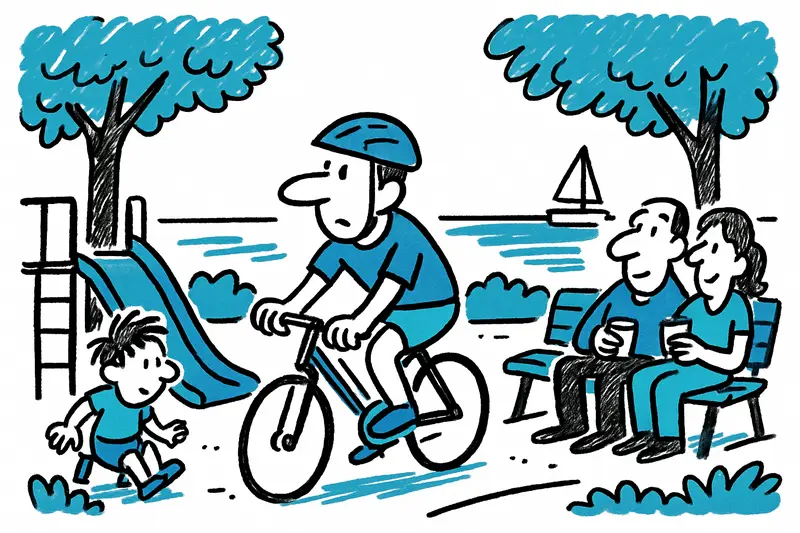
The city has created a rounded green area: more than 1,800 trees, a child-friendly playground, drinking stations, many shady benches and a dedicated bike lane that connects parts of the Paseo with the beach promenade. Small, pleasing details: waste bins with separation systems and beds planted with native vegetation. The idea is clear: away from parking lots, toward shade, calm and better quality of stay.
Why this matters for Palma — beyond nicer photos
The harbour promenade was long an expanse of asphalt: loud, overheated and uninviting. Trees dampen temperature peaks, reduce urban heat buildup and create places people want to stay — especially now, while the autumn sun is still strong. Walkers with dogs, parents with strollers and bike commuters will frequently pass each other here in future. I saw a couple sitting on a new bench yesterday, looking at the boats — a small everyday scene that has been rare in Palma's center until now.
The less noticed problems
Despite the positive effects, there are points that often get lost in public debate: Where will the water for irrigation come from? Who will regularly clean beds and playground equipment? How will delivery logistics for adjacent shops and restaurants be organised now that parking spaces have been lost? None of this is trivial. A park only works with ongoing maintenance — and that costs money and organisation.
Concrete risks
Without a clear maintenance plan there is a risk of overgrowth, dried-out lawns and rapidly deteriorating playground equipment. Summer water shortages can damage young trees if there is no efficient irrigation. And the loss of short-term parking can make deliveries difficult for local businesses if no coordinated delivery windows or alternative zones exist.
Approaches Palma should tackle now
The good news: many problems can be mitigated with smart, relatively inexpensive measures. Suggestions:
Smart irrigation: Drip irrigation and sensors, combined with treated wastewater from the municipal network, save drinking water and ensure even growth.
Maintenance funds and partnerships: A small, firmly anchored maintenance budget in the municipal finances or public-private partnerships with local stakeholders can secure routine tasks. Sponsoring individual benches or beds by local businesses is possible but should be regulated transparently.
Rethink delivery logistics: Time-limited delivery windows, retractable bollards for loading zones and clearly marked short-term bays can compensate for the loss of parking without destroying the quality of stay.
Foster community involvement: Volunteer programs ("Adopt-a-Tree"), school projects for tree care and regular community events increase acceptance and relieve the budget.
The bike lane — opportunity and challenge
The new bike lane is a gain for everyday traffic — but only if it is designed safely. Clear markings, sufficient width and separation from footpaths prevent conflicts between joggers, families and commuters. A little courtesy and speed controls in the first months will help prevent bad habits from forming in the first place.
Everyday life and opening
Construction work is in its final phase; the official opening is planned for November 16. Workers are still installing lights, signage and the drinking stations. The paths are new and in places still dusty — so sturdy footwear isn't a bad idea. But you can already sit down, and many people will.
Conclusion: A good idea that needs planning
The park on the Paseo Marítimo is a step in the right direction: more shade, more quality of stay and better bike connections. But for these plantings not to have only a short-term effect, there must be clear responsibilities, water and maintenance concepts and agreements with local businesses. Otherwise the little oasis will be little more than pretty opening-day photos.
The beginning has been made — now comes the real work: the daily, unspectacular maintenance. If Palma takes this investment seriously, a real, long-term improvement for the city can emerge. And that would be a true gain not only for tourists but, above all, for the people who live here.
Frequently asked questions
What is new on Palma’s Paseo Marítimo?
Will the new trees and green spaces on Palma’s Paseo Marítimo survive the summer?
Is the new Paseo Marítimo in Palma good for walking and cycling?
What can families expect at Palma’s Paseo Marítimo green area?
How will the new Paseo Marítimo affect parking and deliveries in Palma?
When is the new Paseo Marítimo in Palma expected to open?
What kind of plants were used in the new Palma waterfront green area?
Why does Palma’s Paseo Marítimo need ongoing maintenance?
Similar News
Palma, Palma de Mallorca, Palma‑Mallorca: What is it really about?
The debate over the city's name is more than grammar: it concerns identity, law and branding policy. A sober reality che...
Warning to Bathers: Nipping Fish in Cala Major and Other Coves — a Reality Check
In Cala Major and several beaches around Mallorca, bathers report painful “nips”. Who are the animals, why are they gett...

Rental Car Theft in El Arenal: What This Incident Reveals About Our Gaps
A teenager steals a running rental car in El Arenal, flees on foot, climbs over walls and is caught by the Guardia Civil...

Red Rope in Palma's Library: What Helps Against Selfie Tourism — and What's Missing
Palma's city library cordoned off an area with a red rope to keep selfie tourism away from reading and working activitie...
Fort San Carlos: Museum, Harbor Dispute — and a Conflict That Demands Answers
The military museum at Fort San Carlos sits right on Palma's harbor, with unexpectedly quiet rooms filled with cannons a...
More to explore
Discover more interesting content

Can Cap de Bou

Townhouse Lleo 72
