
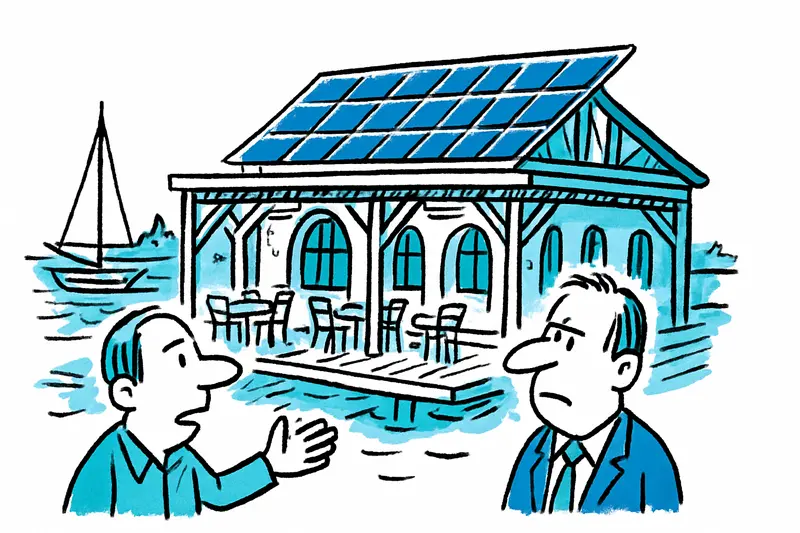
Traditional 'Pesquero' in Palma: wooden pergola, solar roof and renewed harbor charm
Traditional 'Pesquero' in Palma: wooden pergola, solar roof and renewed harbor charm
The harbor restaurant 'Pesquero' in Palma is being extensively renovated for €2.9 million: a wooden pergola in shipbuilding style, rooftop photovoltaics, a 16-year concession and around 733 m² of total usable area with a large terrace.
Traditional 'Pesquero' in Palma gets a new look
Wooden pergola inspired by shipwright tradition, solar panels on the roof and room for the outdoor terrace
At Moll Vell, where fishing boats moor in the morning to the clatter of crates and seagulls circle above the promenade, there is almost always small-scale life — and right there stands the 'Pesquero', a venue many regulars associate with the harbor. Now a major plan is on the table: the restaurant will be comprehensively renovated, with a new wooden pergola inspired by traditional shipbuilding and photovoltaic panels on the roof.
The port authority awarded the new concession at the end of December, a 16-year right of use, accompanied by investments totaling €2.9 million, a process covered in New Dining Spaces on the Quay: Between Postcard Scenery and Real Neighborhood Life. The facility will cover about 733 square meters, including a large outdoor terrace that should offer even more space for guests and views of the water in future.
The idea of building a wooden pergola almost feels like a wink to tradition: those who work aboard small fishing boats know the warm scents of wood, resin and salt. The new structure is intended to capture that atmosphere, provide shade and visually recall hull and deck constructions — not as kitsch, but as an honest, crafted gesture.
The project deliberately also relies on renewable energy: photovoltaic panels will be installed on the roof to cover part of the electricity demand. For a harbor restaurant that opens early and closes late, such systems can help curb operating costs and reduce the ecological footprint. This is a step that guests in Palma increasingly expect — after coffee on the Passeig with a sea view, mindful operations are appreciated too.
From a local perspective, the project brings several small benefits: contracts for carpenters, electricians and masons will be awarded, new jobs will be created in service, and the larger terrace expands the offering for families and visitor groups, similar to recent works described in Portocolom renews its harbor: Between tradition and rooftop promenade. That means more people at the harbor, more liveliness in the early and late hours and, if the operators plan wisely, closer collaboration with local fishermen and markets.
On a walk along the quay you immediately notice how neighbors react: an old character from the fish market remembers how the Pesquero once smelled of fried fish and sea salt, a young nearby chef praises the chance to combine a modern kitchen with local products. Such everyday conversations show that a renovation is not just concrete and wood, but part of a social fabric.
Of course, it is not only romantic: investments of this size also raise expectations. Will local suppliers be preferred? What will working conditions look like? And how can the balance between tradition, tourist appeal and the daily life of residents in this harbor quarter be maintained? Good practice would be to make supply chains transparent and to look for partners within the island community — gastronomy that relies on local quality often has better prospects in Mallorca.
Another practical effect: the new pergola can provide shade in summer and, in the wind-protected area, offer more seating — which is especially important in the transitional months. The terrace becomes a meeting point where, over a glass, conversations about boats, wind directions and the almond blossom arise naturally.
What now lies ahead is the implementation phase. Will it be months of hard work or rather a step-by-step construction? That depends on building permits, delivery times and the rhythm of the harbor. For the neighborhood this means: occasional noise, frequent tradespeople's vehicles — but in the end hopefully a place that combines the best of old harbor atmosphere and contemporary gastronomy.
For Mallorca the project is a small, pleasant impulse: it shows that modernization and craftsmanship need not be contradictory; that sustainable technology and preserving character can go hand in hand, a conversation echoed in plans for increased public green space in Rethinking Portixol: Plaza, Parking Garage and More Green for Palma's Waterfront. Regular visitors to the harbor quickly notice how such projects shape the day — from the first coffee in the morning to the late chat over a glass of wine.
My impression after a walk along the quay: if the operators involve local producers, hire craftsmen from the area and the pergola finds the right balance between tradition and comfort, the Pesquero can become a meeting place again that appeals to both visitors and locals. The port authority's decision to grant a longer concession provides planning security — an important signal for investments, jobs and the preservation of a harbor cultural treasure.
For those who are curious: the project can already be observed from the shore. And anyone who wants to get involved can suggest local products or ask whether there are open job applications — that way the harbor remains a place where people help shape the future.
Frequently asked questions
What is happening with the Pesquero in Palma’s Moll Vell?
Will the Pesquero terrace in Palma get more seating?
Why is the new Pergola at the Pesquero in Palma made of wood?
How will the Pesquero renovation in Palma use solar energy?
When will the Pesquero in Palma reopen after renovation?
What does the Pesquero project mean for workers and local businesses in Palma?
Is the Pesquero in Palma still part of everyday life at Moll Vell?
What can visitors expect from the Pesquero in Palma after the upgrade?
Similar News
Injured captain, big plans: Germania Mallorca before the away match in Consell
The newly founded FC Germania Mallorca travels to Consell on Saturday. Captain Bastian Müller is out injured, but coach ...
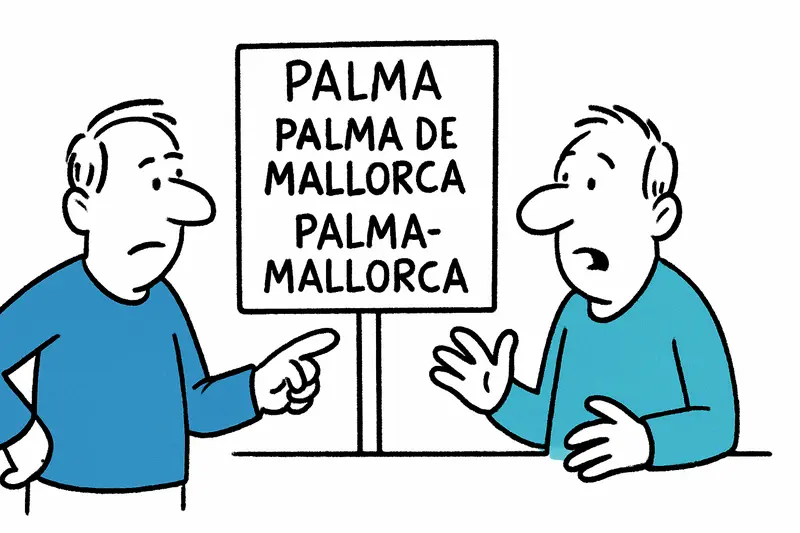
Palma, Palma de Mallorca, Palma‑Mallorca: What is it really about?
The debate over the city's name is more than grammar: it concerns identity, law and branding policy. A sober reality che...

Warning to Bathers: Nipping Fish in Cala Major and Other Coves — a Reality Check
In Cala Major and several beaches around Mallorca, bathers report painful “nips”. Who are the animals, why are they gett...

Rental Car Theft in El Arenal: What This Incident Reveals About Our Gaps
A teenager steals a running rental car in El Arenal, flees on foot, climbs over walls and is caught by the Guardia Civil...
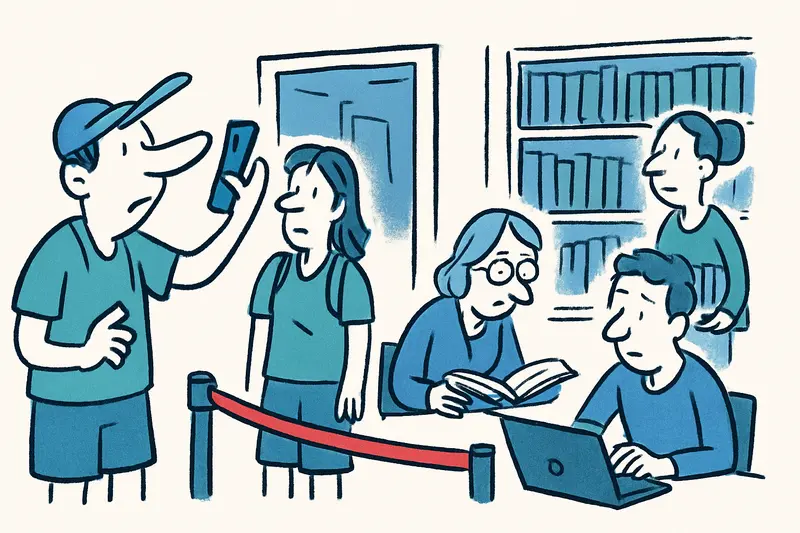
Red Rope in Palma's Library: What Helps Against Selfie Tourism — and What's Missing
Palma's city library cordoned off an area with a red rope to keep selfie tourism away from reading and working activitie...
More to explore
Discover more interesting content

Can Cap de Bou

Townhouse Lleo 72
