
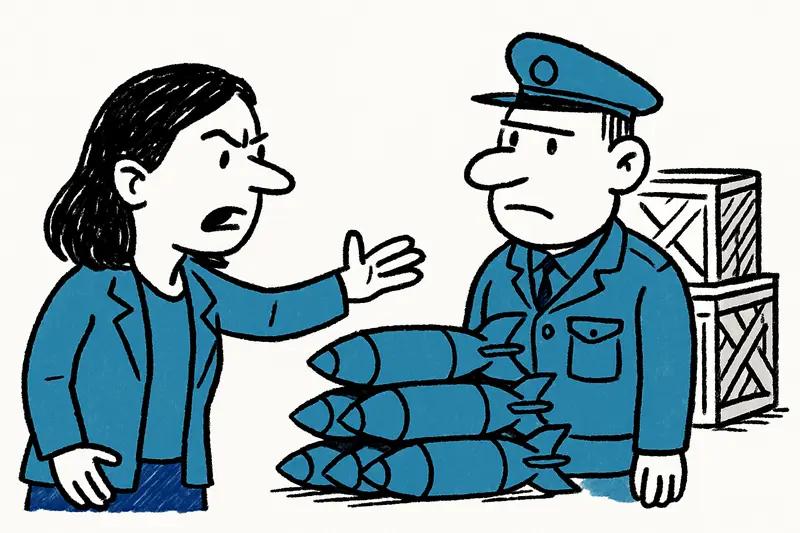
Ammunition Depot at Son Sant Joan: Prohens Demands Clarification — Growing Concern in Palma
A letter from Marga Prohens to Madrid has stirred Palma's city council: an ammunition depot is planned at Son Sant Joan airport — the island government demands transparent information, and residents want answers.
Ammunition Depot at Son Sant Joan: Prohens Demands Clarification — Growing Concern in Palma
On a mild October morning, when the propellers of small planes whisper above the Passeig Marítim and the cafés at the Plaça slowly fill with voices, a piece of news sharpened the debate in Palma: Marga Prohens has sent a formal letter to Pedro Sánchez, as reported in Queja desde Palma: Marga Prohens exige esclarecer el depósito de municiones en el aeropuerto. Subject: a planned ammunition depot on the grounds of Son Sant Joan airport.
This is no ordinary development. In Palma people are not just talking about statistics but about neighbours who watch rescue aircraft every day, relatives who work at the airport, and shop owners who open their terraces while military machines land on the horizon. Since the letter, the key question has been clear: How safe are the people around Son Sant Joan — and why were local authorities not involved earlier?
What exactly is at issue?
The facts known so far are concrete and sober: an investment of around €1.8 million, a storage facility with a capacity of about 75,000 kilograms, partly placed underground with a thick layer of concrete and earth, as outlined in Búnker de municiones en Son Sant Joan: por qué los ciudadanos de Mallorca deben participar. The plan is to store modern types of missiles and bombs, including those that can be used with drones. These facts read as technical — to the neighbourhood they sound worrying at first.
Son Sant Joan is long ago more than just an airfield. It houses Ala 49, the 801st Squadron and the Coordination Centre for Air Rescue (RCC Palma). Helicopters depart from here on rescue missions, transport aircraft bring medical teams. The proximity of ammunition to these operations raises questions about operational safety: What does ammunition storage mean for rescue flights, for maintenance work, for daily staff and the surrounding residential areas?
Why the outrage?
It is not only about the quantity of material but about information policy. Prohens emphasizes understanding for the security concerns of the armed forces but criticizes the lack of prior dialogue with the Balearic government, the island council and the city of Palma. The feeling of being "overlooked" runs deep — in meetings at city hall, in conversations at the market and in smoky cafés.
Added to this is the political friction between Madrid and Palma: positions already clash over rental laws, the allocation of unaccompanied minors or historical debates. A one-sidedly communicated military project fuels mistrust because it raises questions about responsibilities, transparency and accountability.
What is discussed too little?
Some aspects easily fall out of the public debate: Who bears legal responsibility in the event of damage? What are the long-term plans for disposal or inspection of the ammunition? Are there insurance or liability issues that could burden municipalities? And last but not least: what impact does an ammunition depot have on travel insurance, cancellation risks and the image of an airport that mixes civilian and military flights daily?
Technical details also remain vague. Which types of ammunition would be affected? How often would transports be required? How are delivery and collection routes planned, and how would they affect traffic on access roads? Such organizational questions are practical but central to residents' sense of safety.
Concrete opportunities and approaches
Instead of just protesting, structured answers and concrete steps are needed now. Initial measures that the Palma government and the Ministry of Defence should consider include:
1. Public information forum: A quickly convened meeting with experts, representatives of the armed forces, local politicians and affected neighbourhoods. Transparency builds trust.
2. Independent safety review: An external assessor should examine risk scenarios, transport routes and emergency plans — including citizen participation in the evaluation.
3. Detailed emergency plans: Clearly named responsibilities, evacuation procedures and medical care chains for surrounding communities.
4. Involvement of local parliaments: Parliamentary committees of the Balearics and the island council should have access to confidential but relevant information so political oversight is possible instead of unilateral executive decisions.
5. Alternative considerations: Assess whether certain types of ammunition could be stored in less densely populated locations — or whether staggered deliveries could reduce risk.
What remains for the time being?
For many in Palma, there are above all questions rather than immediate answers: about protection, transparency and who will inform them if the plans change. While pigeons peck on the Passeig and waiters continue to serve tourists their coffees, the city debates responsibilities. A little concern mixes with the desire for a clear, pragmatic solution — and the hope that politics will not wait to react until the calm at the airport is finally disturbed.
Update: As soon as reliable details are available from Madrid or the Ministry of Defence, we will report further. Until then, Son Sant Joan remains a place Palma is watching closely.
Frequently asked questions
Why is there concern about a planned ammunition depot at Son Sant Joan in Mallorca?
How safe is it to store ammunition at Palma airport?
What is known about the planned ammunition depot at Son Sant Joan?
Why are local authorities in Mallorca asking for clarification from Madrid?
Could an ammunition depot affect rescue flights at Son Sant Joan?
What safety measures are being suggested for the Son Sant Joan depot?
Will the Son Sant Joan ammunition depot affect residents in Palma?
What questions remain unanswered about the ammunition depot in Mallorca?
Similar News
First Day, First Consequences: What Palma's Rent Freeze Really Means
A new decree stops a planned eviction in Palma — but what really changes for tenants and landlords? A reality check with...

When Housing Becomes a Matter of Survival: Mallorca Between Rental Frenzy and Everyday Life
The case of 87-year-old Maricarmen showed that on Mallorca many people's lives are poised between affordable and uninhab...

Autumn in Mallorca: When Melancholy Gets a Window
Why autumn quietly tightens here — and how to make use of the mood: walks, culture, candles and the light from Palma to ...
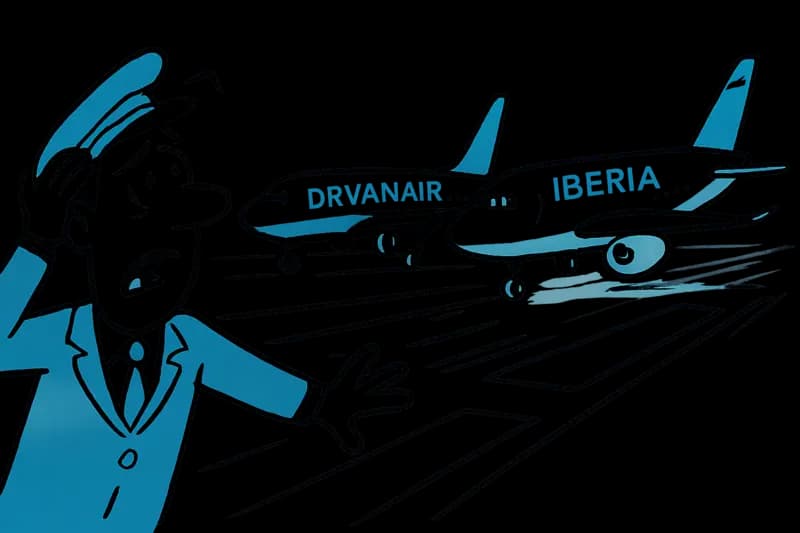
Near-miss on Lanzarote: Landing Ryanair Jet and Iberia Takeoff — what really went wrong
On Lanzarote there was a dangerous incident: A Ryanair flight (FR5910) from Dublin landed on runway 03 while an Iberia E...

Eurowings introduces new Premium Business seats on Mallorca routes
From December 1, selected Eurowings flights to Palma and other destinations will feature eight particularly generous sea...
More to explore
Discover more interesting content

Can Cap de Bou

Townhouse Lleo 72
