
Rafael Fiol: Between Gospel and Fire — a Mallorcan Who Connects
Rafael Fiol: Between Gospel and Fire — a Mallorcan Who Connects
A choir conductor on the beach, a Dimoni in Fortí: Rafael Fiol brings gospel and folk custom together. How his work in church and pyro groups connects people — and why that's good for Mallorca.
Rafael Fiol: Between Gospel and Fire — a Mallorcan Who Connects
From the church choir at Playa de Palma to the fires of the Dimonis in Fortí
When, shortly after six in the morning, the air over Palma is still fresh and slightly cloudy and the street workers at Playa de Palma park their first vehicles, you can sometimes already hear voices coming from the Porciúncula church. Not loud rehearsing, more a warm hum of voices: a look behind the doors reveals a colorful crowd tuning themselves to sing. Behind it stands Rafael Fiol — born in Palma, with a family tradition in music, and at the same time active during the island's festivals as a Dimoni.
Fiol leads the Palma Gospel Singers, a group active at this church location since 2015. Around 64 people sing together there throughout the year; soprano, alto and tenor are distributed so that the sound in the church space finds its balance. For Fiol, singing is a tool: not just notes and tones, but a way to bring people together. You notice this when laughter pops up between sections in a rehearsal or someone’s voice trembles and the others support them with a steadying point. This tradition is part of wider church music activity on the island during events like Santa Cecilia on Mallorca: When Organ Pipes Color the Harbor Evening.
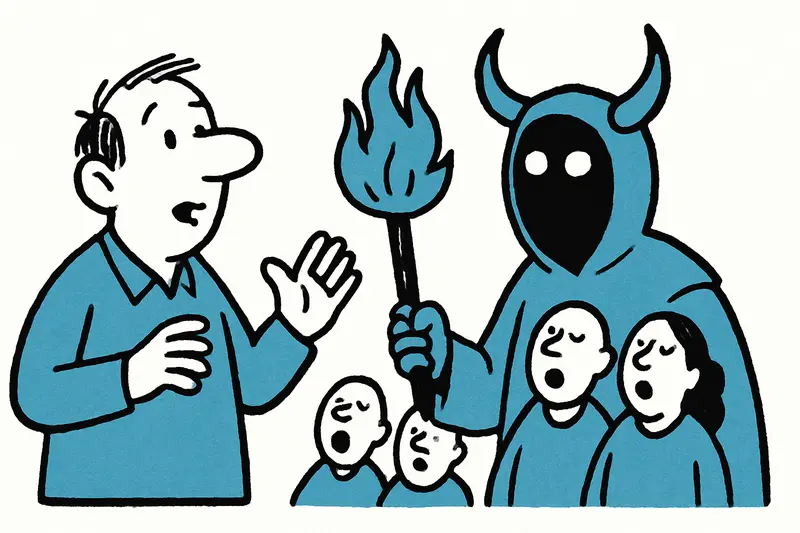
At the same time, Fiol moves in a completely different sphere: as a member of a colla called 'Teufel der Höhle des schwarzen Ziegenbocks' based in the old velodrome in Fortí. About 40 people make up this troupe — fire breathers, bellows blowers, scythe men and of course the Dimonis in their characteristic costumes. Beige hoods, legs with scale-like patterns and a palette of brown and olive tones make the outfits recognizable. The masks are not just disguises; they are tools to take on a role and bring festive energy out onto the street.
Both worlds — the quiet rehearsals in the church and the loud, crackling correfocs at Sant Antoni — may seem contradictory at first glance. In practice they complement each other. Gospel workshops bring people of different ages and backgrounds together; the devil runs consolidate collective rituals that have been rooted in Mallorca's folk culture for centuries. Anyone who sees Fiol perform senses that it's not about showmanship alone, but about building community: singers and mask wearers create memories together. Similar celebrations are highlighted in Autumn Festivals in Mallorca: Markets, Sea and a Touch of Fire.
An aspect that has gained importance recently is the role of external support. Projects like these receive financial backing from the tourism sector, including programs from large providers and foundations that support local initiatives. Such partnerships enable rehearsal spaces, materials for costumes and workshop offers — and they open doors to new audiences without diluting the authenticity of the customs, if managed sensitively.
What does this mean concretely for Mallorca? On one hand: cultural diversity is an asset, as local events like Sineu Comes Alive: Mare de Déu d’Agost Connects Tradition and Nightlife show. On the other hand: traditional events like the correfocs stay alive when young people take on the role of the Dimonis and develop their own characters. Together, this strengthens neighborhoods — from the street in front of the Porciúncula to the Fortí velodrome — and provides sustainable experiences that go beyond mere consumption.
For a practical entry point: watch a rehearsal of the Palma Gospel Singers or attend an open workshop day of the colla in Fortí. For organizers, the idea is obvious: use gospel pieces as an intro to folk festivals or bring short educational projects into schools. For tourism professionals: genuine interaction doesn't happen on the flyer, but in the rehearsal room and behind the mask.
In the end, one image remains: after a correfoc night on the plaza, when the sparks slowly die down and the smell of smoke still lingers in the alleys, you can hear somewhere the distant echo of a gospel choir. That image of sparks and stories recalls features such as The Blacksmith of the Finca: When Sparks Tell Stories on Mallorca. Two seemingly different sounds that fit well together in Mallorca — because here people from different worlds like to come together to create something that endures.
Frequently asked questions
What is the best time of year to experience traditional festivals and fire runs in Mallorca?
Can visitors attend a gospel choir rehearsal in Mallorca?
What is a correfoc in Mallorca and what should you expect?
Where can you see Dimonis in Mallorca outside the big festival nights?
Is gospel music popular in Mallorca?
What should I wear if I want to watch a fire festival in Mallorca?
Why do some Mallorca festivals mix church music and folk traditions?
Is Playa de Palma a good place to experience local culture in Mallorca?
Similar News
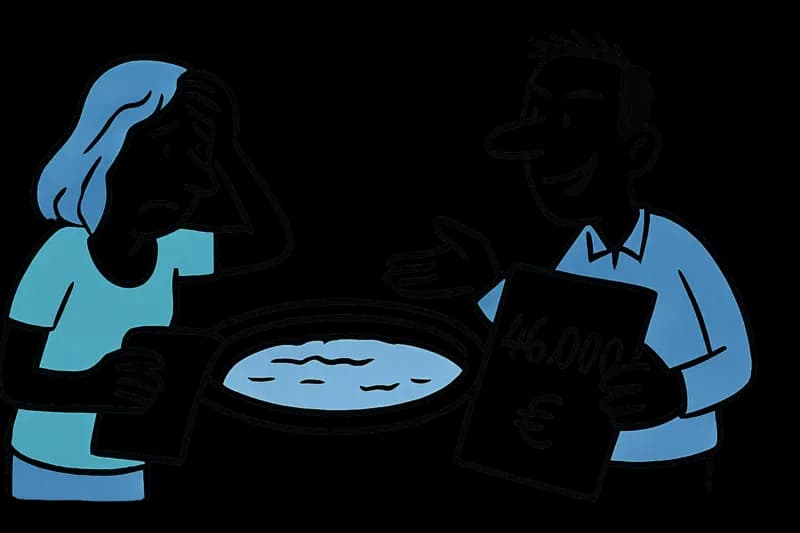
Pool ordered for €46,000 – €23,000 paid, no work carried out: A fraud case in Palma
A homeowner in Palma transferred €23,000 for the construction of a pool. Weeks later it emerged that no building applica...
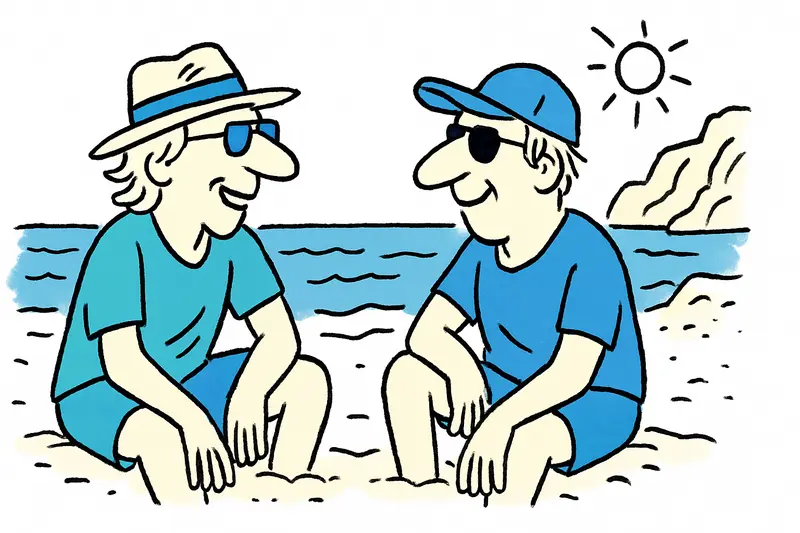
Summer greetings from the Pitiusas island: Gottschalk and Krüger enjoy the sun on Ibiza
A friendly photo of Thomas Gottschalk and Mike Krüger on Ibiza evokes memories of their shared film years and shows that...
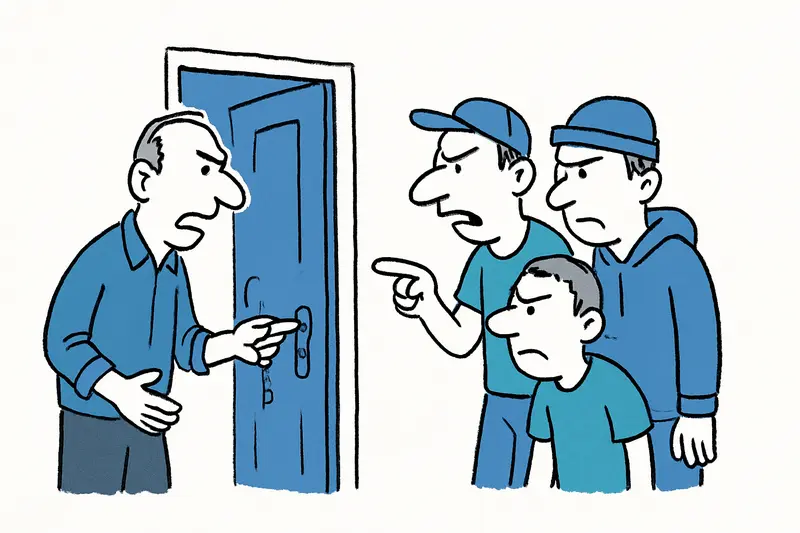
Occupied in a Few Days: When Property in Mallorca Turns into a Dispute
Six young men were arrested in Palma after homeowners returned and could no longer open their own door. A case that rais...
Serious fall at Port d’Andratx: Who protects cyclists on this route?
A 66-year-old German cyclist fell between Port d'Andratx and Camp de Mar, hit his head and was taken to hospital. One ac...

Four goals, heart-stopping moments, a message: Germania Mallorca takes three points in Consell — questions remain
The new German club on the island won its first away game in Consell 4:3. Celebration, a 4:0 lead, then a nervous finish...
More to explore
Discover more interesting content

Can Cap de Bou

Townhouse Lleo 72
