

Why Real Mallorca Looked Weak Away Again – Reality Check After the 0-3 in Madrid
Why Real Mallorca Looked Weak Away Again – Reality Check After the 0-3 in Madrid
Real Mallorca lost 0-3 in Madrid. Two goals conceded before halftime, hardly any chances afterward. Our reality check: why the team struggles away and what to do about it.
Why Real Mallorca Looked Weak Away Again – Reality Check After the 0-3 in Madrid
Key question: Why is Real Mallorca's performance away from home insufficient, even though there is still enough time in the season to make corrections?
Brief assessment
Lost 0-3 away, two goals conceded before the break, hardly any notable chances in the second half: those are the hard facts from the evening in Madrid. If you didn't watch the match live, it's clear: this was not a close result but a decisive defeat with structural weaknesses, similar to Two Minutes Decide: Mallorca Shows Courage at the Bernabéu — and Loses Narrowly.
Critical analysis
First: turnovers in midfield and missing lines that stabilise the defence. When the centre is opened too quickly, the full-backs are left unserved and the centre-backs are caught between two roles. Second: the offensive movement looked static. Without small positional rotations, a compact defensive line cannot be pulled apart. Third: mentality and tempo in the first 20 minutes – too passive, too cautious. Against top teams in away matches, an intense opponent punishes that immediately.
What is missing from the public debate
Discussions often focus only on results and the table. Tactical nuances, load management and squad planning remain underdiscussed. There is a lack of sober looks at training load in January, how often the starting XI has been rotated, and how young players are being prepared for short appearances. Also rarely discussed: how travel schedules, late kick-off times and tight flights affect recovery — especially for an island club like Mallorca with long waits at the airport or late returns to the city, as detailed in Yellow Alert in Palma: How RCD Mallorca Can Still Save the Season.
Everyday scene from the island
On Monday evening, when the shops on Avinguda Jaume III close and the taxi drivers in front of Son Moix (see Son Moix in Focus: Can Mallorca React After the Barça Defeat?) signal they're waiting for the end of their shift, you see fans in small groups. Some linger at the stall, loudly debating the lineup; others walk on quietly, heads bowed, while music still plays from a nearby bar and a few doors down a cook wraps the last ensaimadas in foil. It's not a loud tribunal — more a tired reflection on a team that has lost its shape.
Concrete solutions
1. Clearer midfield structure: practise how to play tight spaces and assign roles with defined rotations (who holds, who penetrates). 2. Define game tempo and pressing phases in time and space so the team does not always react. 3. Load management: in January/February prioritise recovery, take kick-off times and travel stress into account. 4. Integrate young players more often and gradually to add fresh impulses and personnel options in tight spaces. 5. Improve communication between the coaching staff and fans: transparent updates on form and injury status reduce speculation and pressure.
Why these steps are realistic
These are not expensive transfers but better coordination and a training focus. Some adjustments require discipline in training and courage in selection — both achievable if the club sets the course. On Mallorca they know this: small changes to the daily routine (earlier recovery, targeted sessions) often deliver more than big promises.
Concise conclusion
The 0-3 in Madrid is not the end of the world, but it is a warning sign. The problem is not just the missing goals but the combination of structure, tempo and recovery. If Real Mallorca tackles these issues deliberately, the team can stabilise quickly — especially back at Son Moix, when the next game against Sevilla awaits on Monday (21:00). Until then: clear heads, bold decisions and a bit of Mallorcan calm to make some evenings less tense.
Frequently asked questions
Why does Real Mallorca struggle so much in away matches?
What went wrong for Real Mallorca in Madrid?
Can Real Mallorca still turn their season around after a heavy away defeat?
What should Real Mallorca improve in midfield?
Why do Real Mallorca start away games too cautiously?
How can travel and late kick-offs affect Real Mallorca?
What should Real Mallorca do to improve results at Son Moix after an away defeat?
Why are young players important for Real Mallorca right now?
Similar News
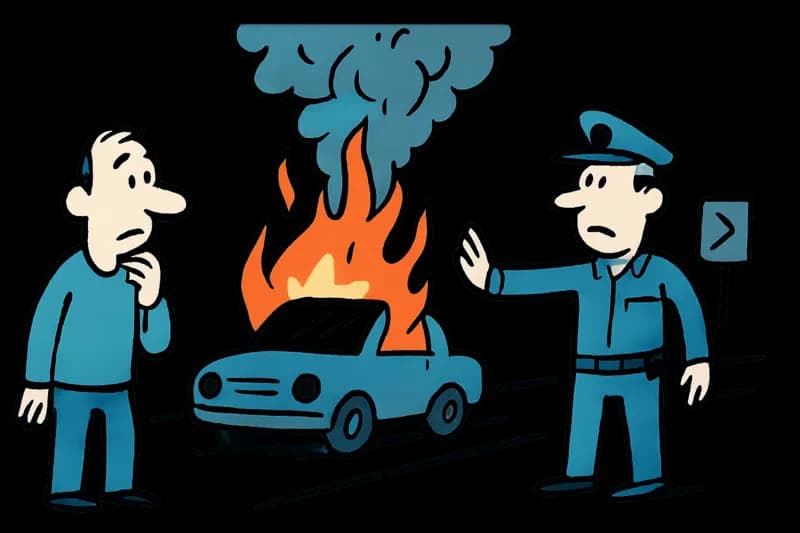
Car on MA-13 near Inca in flames – a safety check for the island
A vehicle caught fire on the MA-13 towards Alcúdia on Tuesday afternoon. The driver was uninjured, the car was destroyed...

Real Estate in Mallorca: Fewer Buyers, Higher Prices — What's Behind It?
Sales on Mallorca are falling, yet prices continue to climb. Why fewer transactions do not equal relief — and what shoul...
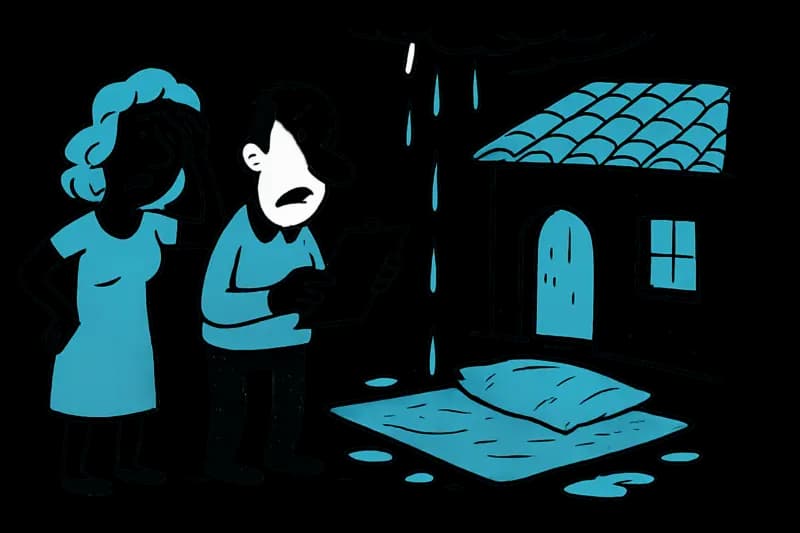
Just Bought — Already Trouble: Water Damage in the Heiters' Villa and What Owners in Mallorca Should Know Now
A newly purchased sea-view property — and within days a water damage. What risks lurk in new properties in Mallorca, and...
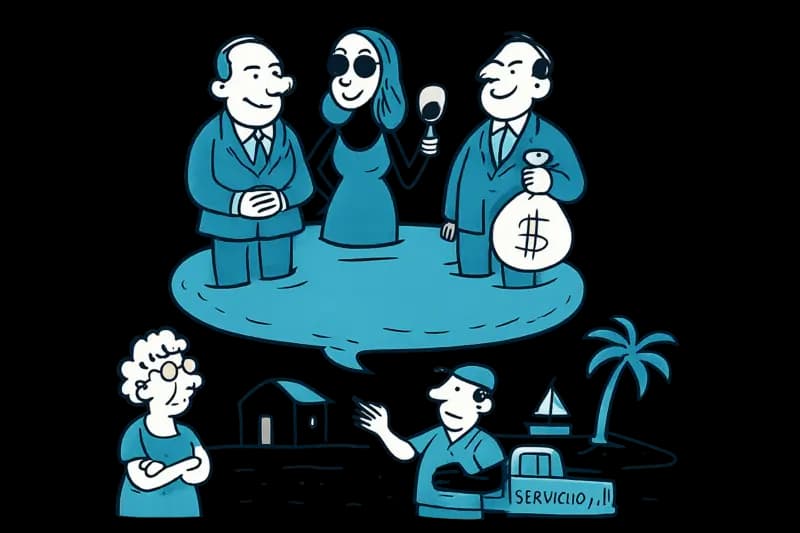
Rich, Richer, Mallorca? A critical look at the growing super-rich bubble
Numbers: Around 3,600 millionaires in the Balearic Islands hold a combined €27.6 billion. What this concentration of wea...
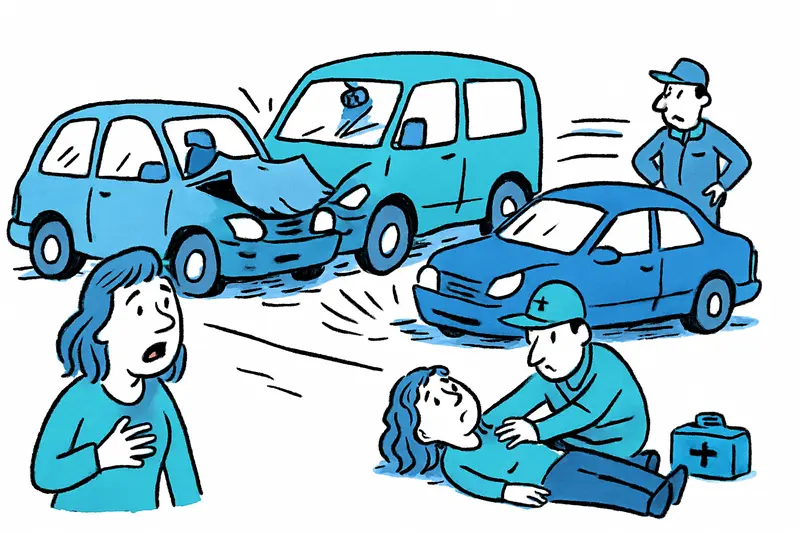
Chain reaction on the MA-1: Eight injured in rear-end collision near Portopí
On Tuesday morning there was a crash at the Andratx exit to the MA-1 towards Palma: a rear-end collision between a car a...
More to explore
Discover more interesting content

Can Cap de Bou

Townhouse Lleo 72
