
Why Real Mallorca Stumbled Again in Vallecas — and What Needs to Happen Now
Why Real Mallorca Stumbled Again in Vallecas — and What Needs to Happen Now
1–2 in Madrid: Real Mallorca did equalize through Muriqi but lost after a controversial penalty. Key question: Is Jagoba Arrasate's work still sufficient to avoid relegation?
Why Real Mallorca Stumbled Again in Vallecas — and What Needs to Happen Now
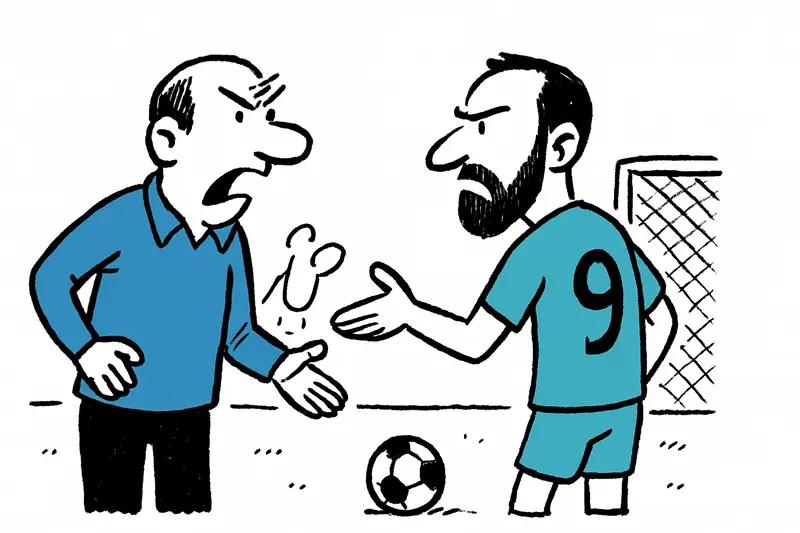
Real Mallorca lost in Madrid: 1–2 at Rayo Vallecano. De Frutos put the hosts ahead early, Vedat Muriqi pulled the score level for a time. Rayo's winning goal came in the second half from a penalty that was hotly debated in the stadium. In the end Jagoba Arrasate's side finished the first half of the season with only 18 points — just above the relegation zone.
Key question
Key question: Is the problem in the lineup and tactics, in the players' individual form, or in structural deficiencies at the club, a point explored in Red Alert: Why Mallorca's Crisis Runs Deeper Than the 0-1 in San Sebastián?
Critical analysis
On paper the game looked fine: Mallorca created chances, Muriqi scored and continues to try to use his presence in the box, as seen in Two Minutes Decide: Mallorca Shows Courage at the Bernabéu — and Loses Narrowly. In reality, however, the final consistency was missing in defensive work. De Frutos' goal followed a turnover in midfield; the penalty awarded later revealed coordination problems in box defending. Coaching decisions sometimes appeared reactive rather than proactive. On set pieces and during quick transitions the team repeatedly found itself in trouble.
What's missing in the public debate
In conversations on the Passeig Marítim and in the bistros along Avinguda Jaume III you mainly hear frustration but rarely concrete steps: people complain about results, not about processes. What is missing is attention to training intensity, return plans for injured players and communication between the board and the sporting leadership. Also hardly discussed is a clear perspective for youth players who could fill gaps long-term instead of expensive short-term signings.
Everyday scene from Mallorca
The afternoon after the match fans sat in a small bar near Plaza de España, the TV still on low, motorcycles honked in the street and a vendor with a deep accent offered almond pastries. Conversations weren't only about the penalty — you often heard: "We have fight, but no composure." This mix of heart and uncertainty captures the mood on the island quite well.
Concrete solutions
1) Train defensive organization: clear assignments on set pieces and better coverage on counters. More situational defensive training in duels and transition phases. 2) Squad plan for the second half: prioritize players who are both defensively stable and comfortable on the ball — no panic-driven short-term transfers. A targeted loan from bigger clubs could help in the short term. 3) Integrate young talents: give local youth players wildcards in training and cup matches; this creates perspective and saves money in the long run. 4) Increase transparency: the coach and sporting director should explain possible objectives and transfer criteria in a public forum. That calms fans and involves the community. 5) Strengthen psychological support: tight games are often decided mentally and physically — investment here is sensible.
Conclusion
Mallorca has fight, that is indisputable. But fight alone is not enough when basic processes fail. A clear defensive program, a realistic transfer plan and the integration of young players would make the team more robust. Otherwise the first half of the season risks being a foretaste of hard weeks — and the island that celebrates in summer could become nervous again in spring.
Frequently asked questions
Why did Real Mallorca lose to Rayo Vallecano in Madrid?
What is Real Mallorca missing in close matches this season?
Is Real Mallorca’s problem more tactical or about player form?
What should Real Mallorca do in the second half of the season?
How serious is Real Mallorca’s situation near the relegation zone?
Are Real Mallorca using enough young players from their own system?
What are fans in Palma saying about Real Mallorca right now?
Where can supporters in Mallorca follow the team’s situation and discussion?
Similar News
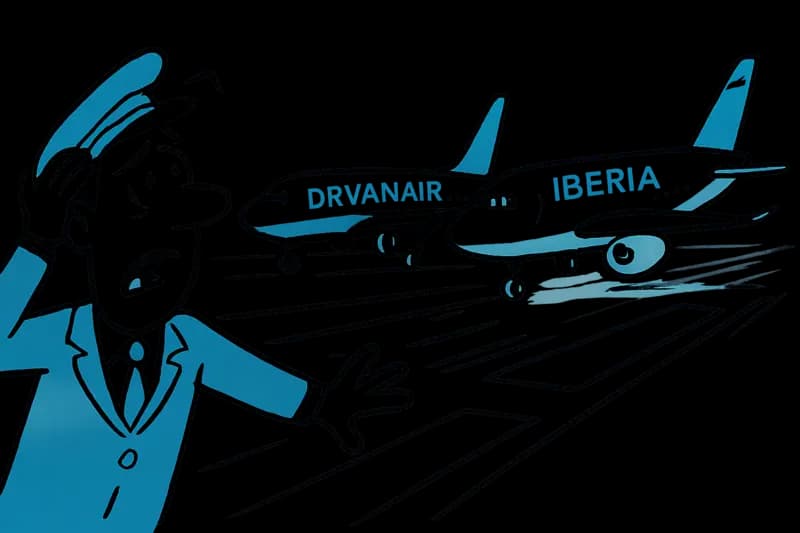
Near-miss on Lanzarote: Landing Ryanair Jet and Iberia Takeoff — what really went wrong
On Lanzarote there was a dangerous incident: A Ryanair flight (FR5910) from Dublin landed on runway 03 while an Iberia E...

Eurowings introduces new Premium Business seats on Mallorca routes
From December 1, selected Eurowings flights to Palma and other destinations will feature eight particularly generous sea...

Car on MA-13 near Inca in flames – a safety check for the island
A vehicle caught fire on the MA-13 towards Alcúdia on Tuesday afternoon. The driver was uninjured, the car was destroyed...

Real Estate in Mallorca: Fewer Buyers, Higher Prices — What's Behind It?
Sales on Mallorca are falling, yet prices continue to climb. Why fewer transactions do not equal relief — and what shoul...
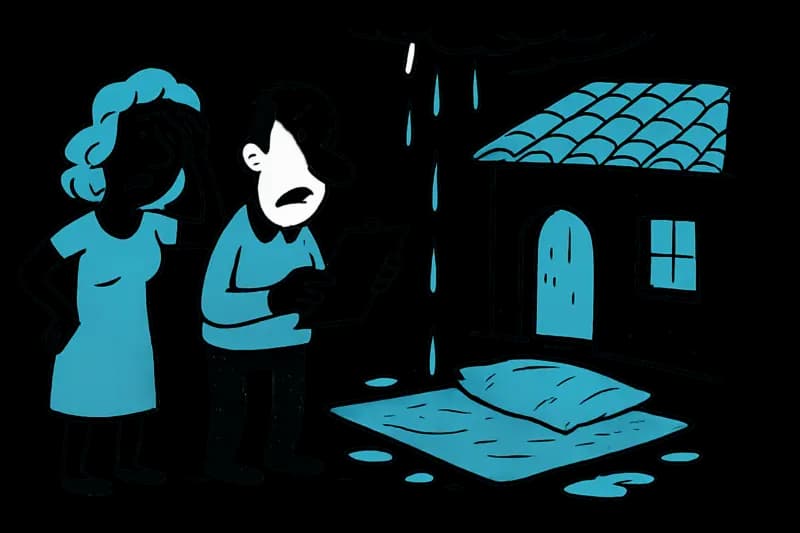
Just Bought — Already Trouble: Water Damage in the Heiters' Villa and What Owners in Mallorca Should Know Now
A newly purchased sea-view property — and within days a water damage. What risks lurk in new properties in Mallorca, and...
More to explore
Discover more interesting content

Can Cap de Bou

Townhouse Lleo 72
