
Red kites found near Santanyí: traces of a banned poison and unanswered questions
Red kites found near Santanyí: traces of a banned poison and unanswered questions
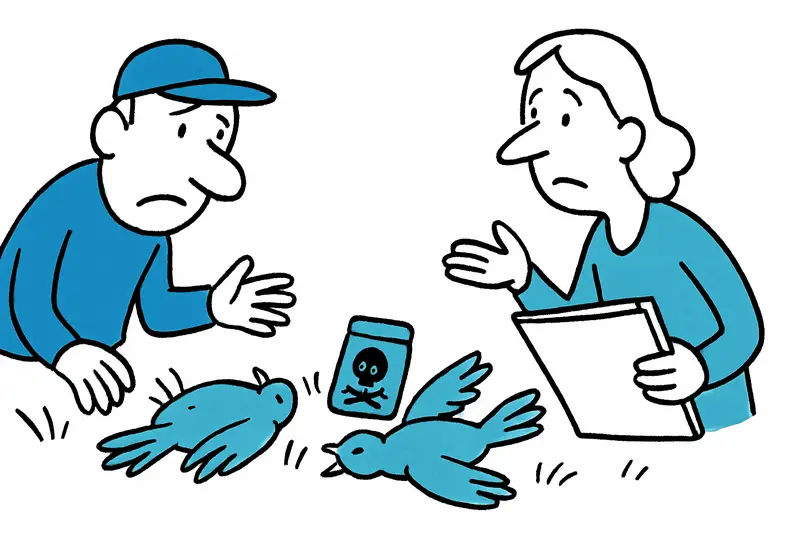
Two dead red kites and poisoned bait in a hunting area near Santanyí: Aldicarb was detected, a nerve agent banned in the EU since 2003. Who is responsible — and why is there little talk about how such poisons are sourced?
Red kites found near Santanyí: traces of a banned poison and unanswered questions
Leading question
How could a hunting poison that has been banned in the European Union since 2003 be used again on Mallorca, and what does this mean for the protection of threatened birds of prey such as the red kite?
Summary of facts
Two dead red kites were found in a hunting area near Santanyí. Conservationists from SEO/BirdLife reported poisoned bait at the site; analyses detected Aldicarb, a highly toxic pesticide banned at EU level since 2003. The environmental organization has filed a complaint and is calling for the affected hunting area to be temporarily closed. Regional coverage includes a report on three poisoned milanos in Mallorca.
Critical analysis
Along the coast around Santanyí you can smell pine resin and sea salt; walkers on the MA-19 regularly see birds of prey circling over the fields. That such an old nerve agent is still being used feels like a regression to a time the EU intended to end. Aldicarb is so toxic that small amounts are lethal to birds and mammals. Its presence on bait suggests not merely careless use but deliberate placement with the aim of killing animals or influencing wildlife.
The scene at the find — a sandy track between dry stone walls, an abandoned feeding spot, the soft click of bicycle chains — fits a crime that is not accidental. Anyone who lays bait knows its effect. At the same time, the case reveals the gap between bans on paper and control on the ground. The crucial question is not only who allegedly placed this bait, but how the poison reached the island and where else it might be used, as suggested by a recent article on three GPS-tagged milanos found near Palma and Santanyí.
What is missing from public debate
Discussions often focus — rightly — on the victims and on calls for swift closures. Less attention is paid to the supply chains of illegal pesticides, the role of intermediaries and internal exchanges within hunting groups. The relatively limited capacity of authorities to invest in evidence collection, forensic analyses and regular inspections is also rarely discussed. On Mallorca there is no clear public overview of how often poisonings are reported in total and which penalties are actually imposed.
Everyday scene from Mallorca
A Santanyí resident who feeds his goats in the morning quietly recalls a time when red kites flew more confidently over the pastures. Today he sees fewer birds and has fitted cameras to his sheds because chickens have gone missing. Concern for pets and livestock quickly mixes here with frustration that rural life is increasingly shaped by documentation duties rather than trust.
Concrete solutions
First: Immediate measure — temporarily closing the hunting area is sensible until forensic investigations are complete. Second: Strengthen evidence collection — the environmental public prosecutor and Guardia Civil should receive more resources for toxicological analyses and sample transport. Third: Disrupt supply chains — targeted investigations against dealers and online suppliers of illegal pesticides. Fourth: Local prevention — information campaigns for hunters, farmers and private individuals about the dangers of banned substances and mandatory workshops on safe disposal. Fifth: Expand monitoring — fixed wildlife cameras at known hotspots, regular patrols by forestry teams and an anonymous hotline for suspicious sightings. Sixth: Make sanctions visible — faster, transparent procedures and public lists of convictions would have a deterrent effect.
Why this matters
Red kites are not just graceful observers in the sky; they are part of a functioning ecosystem that regulates pests and carrion. Any illegal substance entering the food chain also endangers pets, small wild populations and ultimately people. On an island like Mallorca, where landscape and agriculture are closely linked, such interventions have broader effects than in urban areas.
Conclusion
The discovery of Aldicarb-laced bait near Santanyí is more than an isolated incident. It reveals a systemic failure: bans exist, but control and prevention are lacking. Protecting birds of prey in the long term requires action on several fronts — investigation, prevention, transparency and local cooperation. And while authorities work, the simple urgent demand remains: no hunting until the causes are clarified.
Frequently asked questions
What happened to the red kites found near Santanyí in Mallorca?
Is it safe to walk in the countryside around Santanyí if poisoned bait has been found?
Can a banned pesticide like Aldicarb still be found on Mallorca?
Why are red kites important in Mallorca’s countryside?
What should I do if I find poisoned bait or a dead bird in Mallorca?
Could poisoned bait near Santanyí affect pets or livestock?
Why are conservationists asking for the hunting area near Santanyí to be closed?
Is bird poisoning a wider problem in Mallorca or just an isolated case?
Similar News

Urgent Clearing of Palma's Torrents: Flood Prevention or Symptom of Short-Sighted Planning?
The city of Palma is responding to storm forecasts and has cleared several torrents. We ask: Is the short-term clearing ...

Evaneos and Mexico: A Reality Check for Sustainable Travel
Travel advertising often reads like a promise: local, sustainable, unique. But how deep do these promises really go? A c...

From Megapark to the Altar: Party Singer Now Offers Weddings in Mallorca
A well-known party artist combines partying and marriage: instead of a traditional church there are ceremonies at the Me...

The Maricarmen Case: Why an Eviction Is Forcing Spain's Housing Debate
Images of an 87-year-old woman on a stretcher have sparked a debate in Spain that also runs deep in Mallorca. Who protec...

Parking dispute in Els Hostalets: When a gap leads to violence
A parking dispute on Calle Aragón escalated into a mass brawl at night. Why do trivial conflicts here turn bloody so qui...
More to explore
Discover more interesting content

Can Cap de Bou

Townhouse Lleo 72
