
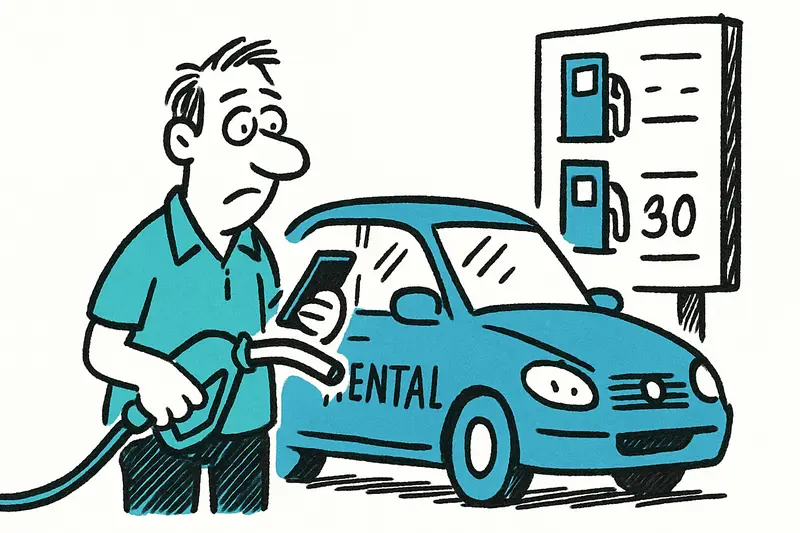
Attention rental car drivers: Why petrol prices vary so much in Mallorca
Attention rental car drivers: Why petrol prices vary so much in Mallorca
Between the cheapest and the most expensive liter on the island there is more than €0.30 difference. We ask: Why do holidaymakers pay such different amounts — and what can you do about it?
Attention rental car drivers: Why petrol prices vary so much in Mallorca
Clear question: Why do I, as a tourist, pay over €0.30 more per liter at some pumps?
At the roundabout near Calle Son Pendola in Palma you often hear a mix of engine noise and the clatter of fuel nozzles. There is an Autonetoil station where 95-octane petrol currently costs €1.489 per liter. Drive a bit along the switchbacks into the Tramuntana mountains and you end up at a Cepsa station on the C-711 (km 16.5) near Bunyola, where the same liter costs €1.809. That's a €0.32 difference per liter — with a standard 40-liter fill-up that's almost €13 in savings depending on where you refuel.
Similar picture with diesel: In Palma the same Autonetoil station charges €1.649 per liter, while in Felanitx on the Carretera de Campos (km 11.1) a Repsol station asks €1.955. Again, that's just over €0.30 difference, roughly €12.24 for a 40-liter tank.
It sounds like simple retailer practice — and in part it is: location, customer base, competitive pressure and operating costs largely determine prices. Stations at heavily used access roads or in tourist hotspots have different cost structures than station networks in residential areas. Big brands also calculate higher margins at locations with few alternatives, because travellers often have fewer opportunities to compare prices.
But that's not all. There is a lack of publicly visible explanations of concrete cost factors: what role do wholesalers play, what about logistics costs (delivering to mountainous regions costs more), lease agreements and the decision whether a motorway service station only accepts credit card payers? Why are discounts for regular customers offered more often in urban locations? These questions rarely come up in conversations with station staff — and even less in tourist guides.
What hardly appears in the discourse is the perspective of rental car customers: For background see Why Rental Cars in Mallorca Have Become Noticeably More Expensive — and What You Should Know. Many receive no information when signing the contract about where to refuel cheaply or how the fuel policy works (full/full, full/empty, return with service fee). There are also few clear signs on motorway stations about local alternatives or price comparisons in the immediate area.
A typical scene: A couple with luggage and a child's travel seat gets out of a rental car on the lay-by near Son Sant Agustí. The man taps on his phone, searches for the nearest station — and ends up paying at the next service area because time is tight. Costs arise that could be avoided if simple information were available.
Concrete steps drivers can take in Mallorca:
1) Compare before you drive: Use map and price comparison apps and aim to refuel outside pure tourist routes. Already a few kilometres within Palma or in peripheral areas often pay off.
2) Check the rental agreement: Ask which fuel policy applies and whether returning with a full tank is rewarded or penalised. Sometimes “full/full” is the cheapest solution in the end.
3) Don’t rely on motorway stations: Service areas at access roads are convenient but often more expensive. If you have time, plan short detours into villages or industrial areas.
4) Read the fine print: Some stations charge credit card fees or have minimum amounts for card payments — that can reduce the apparent saving.
5) Use local tips: Ask the hotel porter, locals or the bike rental around the corner; many know the inexpensive spots, especially in Palma.
What do politicians and retailers need to do? More transparency in prices and better signage outside motorways would be a start; debates such as Rental Car Cap: Between Traffic Calming and Holiday Stress – What Mallorca Must Consider Now underline the political interest. Rental companies could also add simple hints to their handover forms: nearest cheap stations, locations of 24-hour stations and which brands tend to be cheaper nearby. In the short term every driver can manage this themselves; in the long term clearer market information would be needed.
Conclusion: In Mallorca the choice of pump decides whether you pay €60 or €73 at the station. The difference arises from location, operator strategy and information transparency. Those who plan a little, compare and ask around can drive not only more pleasantly but also more cheaply around the island, as described in Discover Mallorca by Rental Car: Why a Car Makes the Day.
Pithy: It's not the island that's expensive, but often the wrong pump at the wrong time.
Frequently asked questions
What is the weather usually like in Mallorca in early summer?
Is Mallorca warm enough for swimming in spring?
What should I pack for a trip to Mallorca in warm weather?
When is the best time to visit Mallorca for good beach weather?
What is Sóller like for visitors in Mallorca?
Is Alcúdia a good area for a family holiday in Mallorca?
What is Palma de Mallorca like for a short city break?
Is the Serra de Tramuntana worth visiting if you are staying in Mallorca?
Similar News

When the Wallet Becomes a Danger: Attack in Peguera and Lessons for Mallorca
In Peguera, two women are said to have stolen the wallet from a 75-year-old German couple. When the victim intervened, t...
Plata stays Plata: Young people take over, Llonguets remain
A small bar on Carrer de l'Argenteria will continue: Tolo Serra hands the place over to young Mallorcans at the end of t...
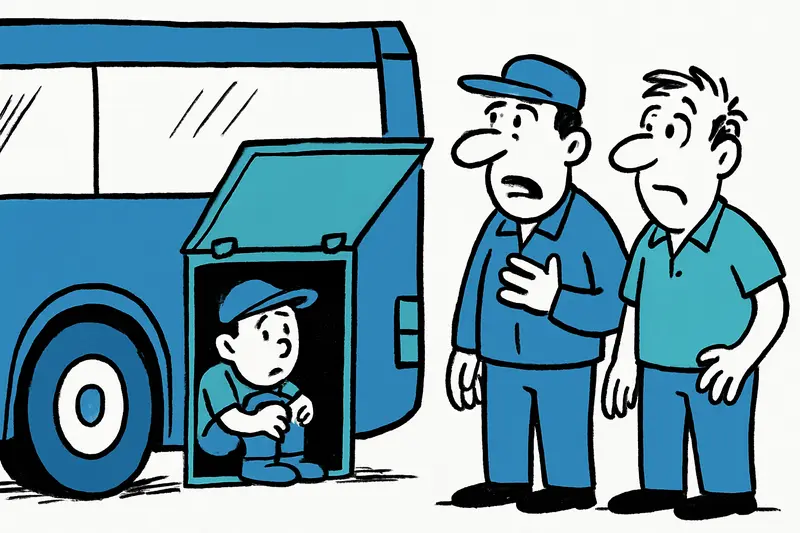
Unnoticed in the Luggage Compartment: How a Boy Traveled More Than 100 Kilometers in a Team Bus
A minor traveled in the undercarriage of a team bus for more than 100 kilometers until his cries for help were heard. A ...

Cap Vermell Grand: Second Michelin Key – a Gift for the East
The Cap Vermell Grand in Capdepera has been awarded its second Michelin key. For the region this elevates the luxury off...
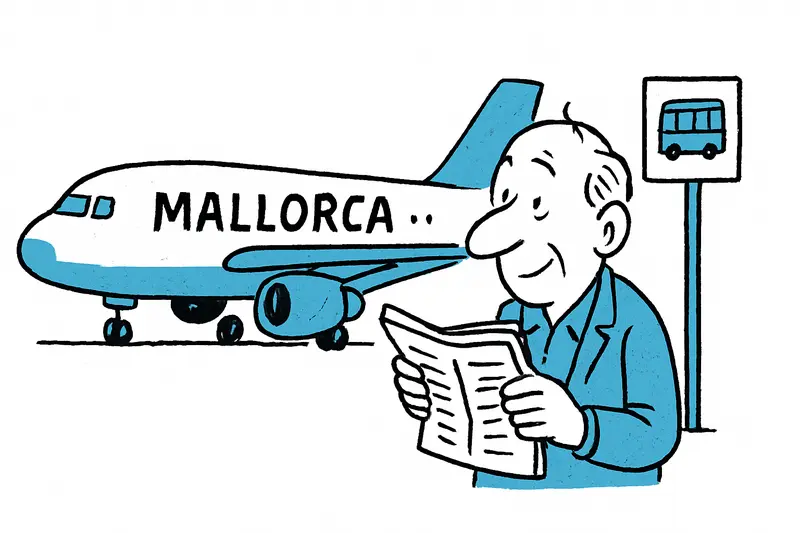
Eurowings lets four aircraft carry names – a friendly idea that also reaches Mallorca
Eurowings is launching a campaign: four Airbus A320s are to carry the first names of people who help others in everyday ...
More to explore
Discover more interesting content

Can Cap de Bou

Townhouse Lleo 72
