
Why Rental Cars in Mallorca Have Become Noticeably More Expensive — and What You Should Know
The days of 'from €3' are over: rental cars in Mallorca now cost significantly more. Why this is happening, what it means for locals, and which solutions are possible.
Why Rental Cars in Mallorca Have Become Noticeably More Expensive — and What You Should Know
The question occupying many travelers and locals right now is: why are rental car prices in Mallorca climbing — and how sustainable is this trend? If you walked out of the arrivals hall at Son Sant Joan airport last week, you could hear the hum of the air-conditioning, announcements above the crowd, and the prices at the counters no longer looked like they used to. Instead of loss-leader offers there are now more realistic figures — with consequences for tourists, families and the everyday life of island residents, as outlined in Buying and Renting in Mallorca: Why Prices Are Pushing Locals to the Edge — and What Could Help Now.
The raw numbers
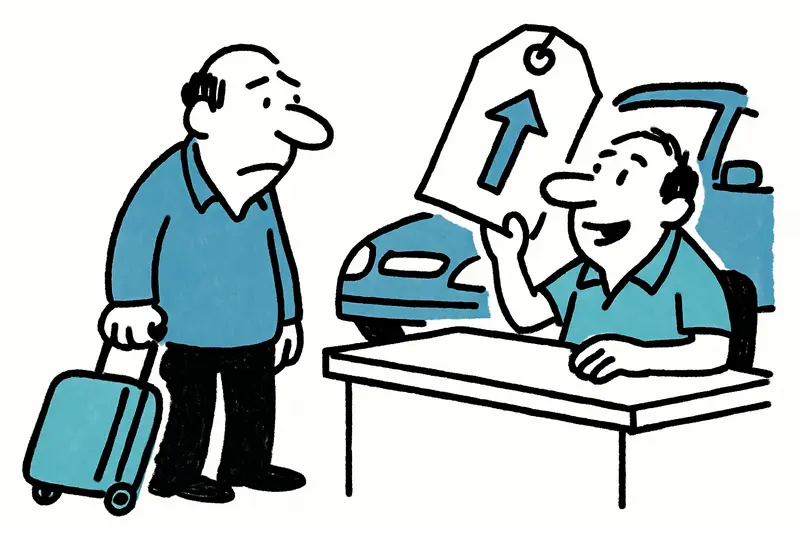
A look at average prices makes the gap visible: while the daily rate in the high season in 2019 was still around €23, this summer it is almost €42 per day. In 2024 the figure was already close to €40. The pandemic years, with supply bottlenecks and shrunken fleets, pushed prices up further; on some days in 2022 there were peaks above €80. In short: supply is scarcer and costs for providers are higher.
What is often overlooked
Public debate usually focuses on the numbers. Less examined is how this affects local structures: smaller, regional rental companies are struggling to return to a competitive position after the shortages. Some municipalities are experiencing more vehicles 'parking' longer at airports or handover stations because returns have become more expensive. The informal market (private short-term rentals) is also gaining importance — with uncertainties about insurance and safety.
Another under-discussed point is the age structure of fleets. Many companies keep vehicles longer instead of renewing them regularly. That affects repair effort, spare part costs and ultimately prices. And yes, the environmental issue quietly plays a role here — older cars are often thirstier and noisier, which residents in coastal towns dislike.
The political option: regulate — yes or no?
A recurring demand is: restrictions on rental cars on the island, discussed in Rental Car Cap: Between Traffic Calming and Holiday Stress – What Mallorca Must Consider Now. Politically tempting, practically tricky. Artificially tightening supply would reduce availability in the short term and drive prices up further. Without simultaneously running public transport options or affordable sharing models, families and tradespeople would suffer particularly. The central guiding question therefore remains: do we want to curb availability or redirect the mobility structure?
Concrete opportunities and solutions
Instead of blanket restrictions, experts and practitioners tend to propose a mix of measures: targeted incentives for fleets to switch to more economical or electric vehicles, transparent price disclosure (including deductibles and fuel rules), support for local renters who coordinate returns, and investment in reliable bus and train connections between airports, beaches and towns. A dedicated portion of the tourist tax that flows directly into mobility offerings would also be a pragmatic idea, as noted in Rising Cost of Living in Mallorca: Who Pays the Price?.
Digitalisation can help: better platforms for real-time availability and fair price transparency reduce misbookings and frustration on arrival. Municipalities could also prioritise charging infrastructure and parking zones for rental stations — making the switch to EVs more attractive for providers.
What guests and locals should do now
Be pragmatic: compare total prices, read the fine print and book early — in July and August certain vehicle classes sell out quickly. On site, check regional stations away from the airports: pick-up and drop-off are often more flexible and sometimes cheaper. Those who want to stay mobile should consider alternatives: well-timed bus lines, rideshares, bicycle rentals for coastal stretches, or targeted car-sharing offers.
And for those of us on the island: this price adjustment is not a fad but a normalization after years of distorted loss-leader offers. That means for Mallorcans and visitors alike: a bit more planning, careful contract checks — and the opportunity to modernize the island's mobility sustainably.
Frequently asked questions
Why are rental cars in Mallorca so much more expensive now?
When is it cheapest to book a rental car in Mallorca?
Are rental cars at Palma de Mallorca Airport usually more expensive?
What should I check before renting a car in Mallorca?
Are there cheaper alternatives to rental cars in Mallorca?
Do car rental prices in Mallorca change a lot in summer?
Why do smaller rental companies in Mallorca struggle with prices?
Would limiting rental cars make Mallorca cheaper for visitors?
Similar News

Maribel: Five Decades of Service – Housekeeper from Peguera Celebrated with a Special Honor
Over 50 years in the hotel business: María Isabel “Maribel” Molinos was honored in Palma at the Nit del Turisme by Unive...

Orange Alert over Parts of Mallorca: Are We Prepared?
Dark clouds and an announced wet spell have triggered an Orange alert in parts of Mallorca. A reality check: what's miss...

Sundair & Co.: Sale speculation and what it could mean for Mallorca
Rumors about a possible sale of the airlines Sundair and Fly Air 41, which belong to Schauinsland-Reisen — and whether b...
Anne Wünsche in Mallorca: A job offer with a catch — who fits the role of personal assistant?
Influencer Anne Wünsche has left Berlin and is urgently looking for a full-time personal assistant in Mallorca. Why the ...

Daily from New York: Palma Between Boom and Strain
United will increase the Newark–Palma route to daily flights in 2027 using Boeing aircraft (231 seats). What does the in...
More to explore
Discover more interesting content

Can Cap de Bou

Townhouse Lleo 72
