
Rental Car Theft in El Arenal: What This Incident Reveals About Our Gaps
Rental Car Theft in El Arenal: What This Incident Reveals About Our Gaps
A teenager steals a running rental car in El Arenal, flees on foot, climbs over walls and is caught by the Guardia Civil. A case that raises more questions than answers.
Rental Car Theft in El Arenal: What This Incident Reveals About Our Gaps
An overnight theft, a pursuit and the question: Why are simple protective measures not enough?
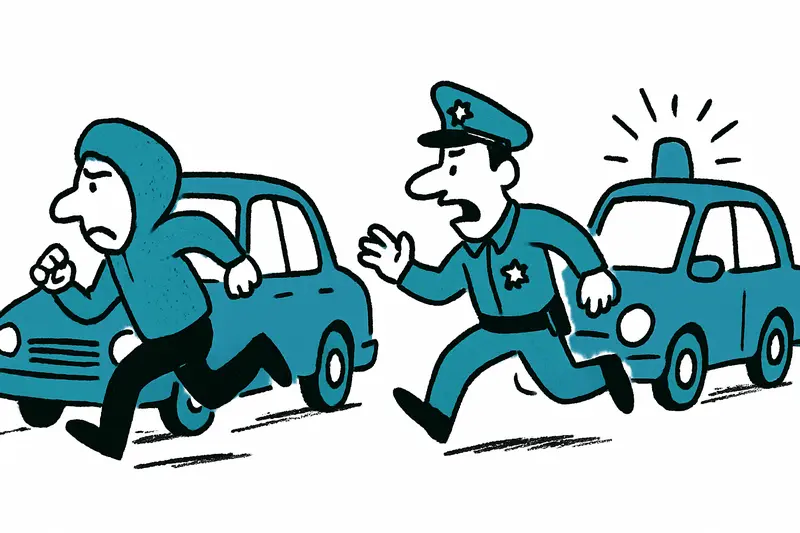
In the early hours of Saturday, September 19, a minor seized the opportunity: a rental car parked in El Arenal with the engine running was taken by the youth. The Guardia Civil from Llucmajor later observed a conspicuous vehicle driving in the opposite direction and flashing its lights. When officers intervened, the young man fled on foot, briefly hid behind trash containers, climbed over walls in the municipality of Llucmajor and was finally subdued and arrested. The vehicle, investigators found, belonged to a rental company and showed no damage; it was returned. A related high-profile incident involved a cash robbery and risky escape in Playa de Palma involving a stolen rental BMW.
Key question: Why does a small lapse of attention in Mallorca so quickly lead to a large police operation — and what everyday and systemic gaps become visible?
Critical analysis
The report sounds almost familiar: a parked car, a brief moment of inattention, and the situation escalates. But behind the simple sequence lie several weaknesses. First: safety habits with rental vehicles. Not all cases are as straightforward — authorities have also reported situations like Sleeping in a Stolen Car Outside the Police Station. Second: local prevention — whether by the lessor, business owners or municipal administration — is not adequate. Third: the reaction of the youths themselves — in this case a minor of Maghrebi origin — shows that criminal sanctions alone are not sufficient. Youth, possible social problems, lack of prospects, night-time alcohol consumption or peer pressure often play a role, even if procedural handling does not automatically shed light on these backgrounds.
What is usually missing in public discourse
There is a lot of reporting on individual cases, less on the causes. Public debates focus on the act and the perpetrator, not on prevention, the responsibilities of rental companies, or how careless habits of guests and staff create risks. The question of how youth services, schools and municipalities could cooperate is also almost always missing. Local residents call for more police presence and better lighting, as reported in Unrest in s'Arenal: Arrests After Supermarket Robbery. Instead of arguing about who is to blame, it would be more helpful to talk about clear rules for vehicle handovers, safe parking areas and low-threshold offers for young people.
Everyday scene from El Arenal
Imagine the narrow street by the beach: behind a supermarket there are trash containers, bass from a beach bar can be heard nearby, tables are being cleared away, a cleaner pushes a laundry trolley, tourists stagger between the taxi rank and the beach. It is precisely in such moments that it happens: a rental agent is loading guests, a tradesman grabs tools, a bouncer speaks loudly with staff — and a rental car is left unattended for a short time. This mix of party mood, staff changes and the urge to move on quickly creates gaps that can be exploited.
Concrete solutions
- Tighten landlord obligations: Clear handover protocols, customer notices (no key in the car, engine off) and mandatory short safety briefings can prevent many incidents. - Secure parking zones: Municipalities could offer specially monitored short-term parking areas for rental companies; well-lit, camera-supported spaces act as a deterrent. - Technical measures: Vehicles with ignition cut-offs, keyless blockers or automatic engine shut-off after a short idle time reduce risk. - Youth prevention: Cooperations between the municipality, youth centers and the police to provide low-threshold offers in El Arenal/Llucmajor; night counseling centers at tourist hotspots would be a model. - Industry responsibility: Agreed standards in the rental sector (key management, rapid reporting to authorities) and staff training. - Procedural approaches: Instead of only sanctioning, juvenile criminal law should obligatorily link follow-up with social measures — for example mandatory conversations, community service or accompanying family counseling.
What the authorities do — and where balance is missing
The Guardia Civil acted correctly in this case: observation, intervention, arrest and notification of the juvenile public prosecutor's office. But the operation consumes resources that may be lacking elsewhere. Prevention also costs money, but pays off if it prevents repeat offenses. The balance between repressive and preventive measures should be discussed publicly more often.
Concise conclusion
This case is not the drama of an Italian crime novel, but an everyday risk that arises from small lapses and structural gaps. Whoever leaves car keys carelessly in the vehicle invites trouble — but responsibility does not lie solely with the individual. Rental companies, municipalities and youth services must work together better. Short term: lock doors, turn off the engine, secure the keys. Long term: standards, secure parking zones and offers for young people. If we only look at the perpetrator, we learn little. If we change small habits, we prevent a lot of trouble — and operations like this.
Frequently asked questions
What is the best time of year to visit Mallorca for sunny beach days?
What should I pack for a trip to Mallorca?
Is it safe to swim at Mallorca's beaches year-round?
What are the best ways to get around Mallorca?
What are family-friendly activities to do in Mallorca?
Are there good day trips from Mallorca's capital Palma?
What should I know about Mallorca's climate for hiking or cycling?
How to choose a beach in Mallorca for your day?
Similar News
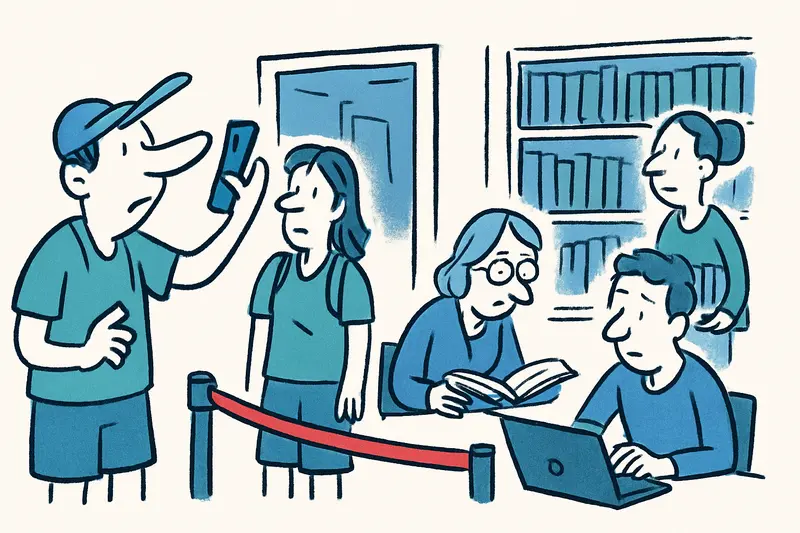
Red Rope in Palma's Library: What Helps Against Selfie Tourism — and What's Missing
Palma's city library cordoned off an area with a red rope to keep selfie tourism away from reading and working activitie...

Fort San Carlos: Museum, Harbor Dispute — and a Conflict That Demands Answers
The military museum at Fort San Carlos sits right on Palma's harbor, with unexpectedly quiet rooms filled with cannons a...
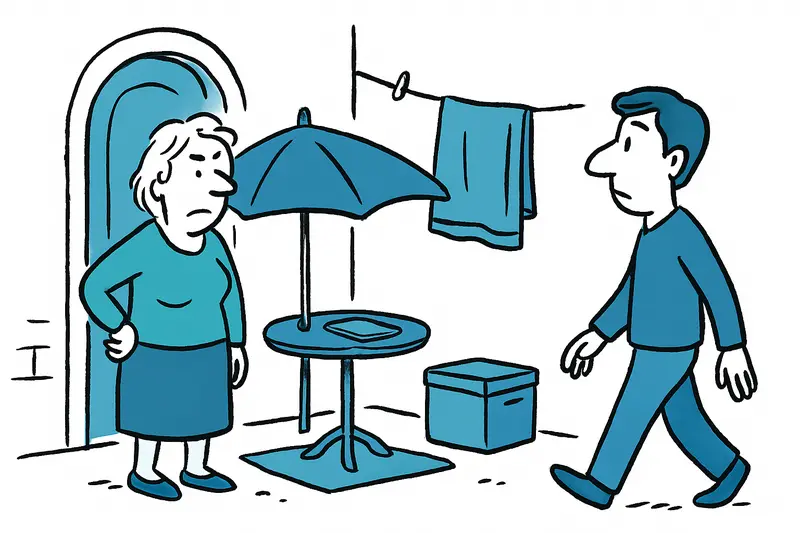
Old Town Under Pressure: When a Doorway Becomes a Sleeping and Shower Place
For months a woman has been living with a parasol, a clothes rack and personal belongings next to the social welfare off...
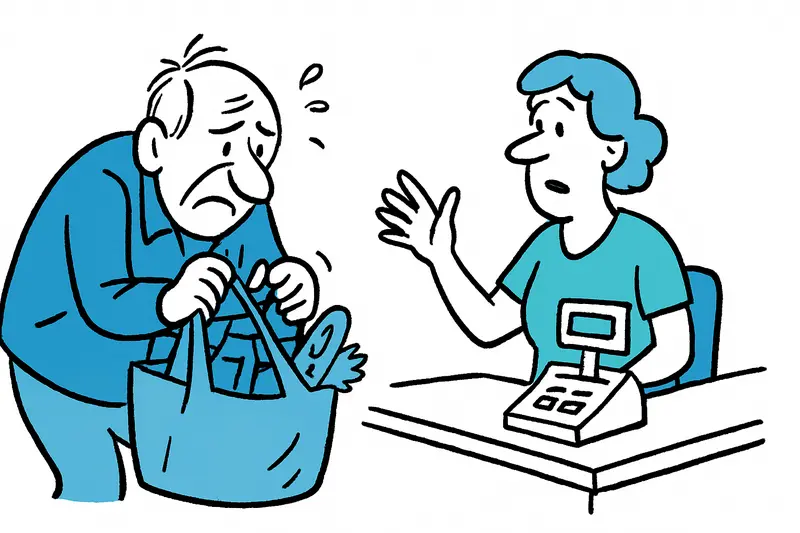
When Shopping Weighs Heavier: Mallorca Demands a Tax Pause on Food and Fuel
Rising prices are putting pressure on households and agriculture. The Balearic Islands are calling for temporary tax rel...
Almost 70 Euros for Just Under Three Hours of Parking: The Trap at Son Sant Joan
A short work errand at the airport ended with a surprisingly high parking bill. Why the two-hour tariff limit raises so ...
More to explore
Discover more interesting content

Can Cap de Bou

Townhouse Lleo 72
