
Sleeping in a Stolen Car Outside the Police Station: What Does the Playa de Palma Case Say About Prevention?
Sleeping in a Stolen Car Outside the Police Station: What Does the Playa de Palma Case Say About Prevention?
An 18-year-old was found in a car reported stolen in front of a police station in Playa de Palma. A screwdriver, glove, mask and a damaged cell door raise questions about prevention and accommodation.
Sleeping in a Stolen Car Outside the Police Station: What Does the Playa de Palma Case Say About Prevention?
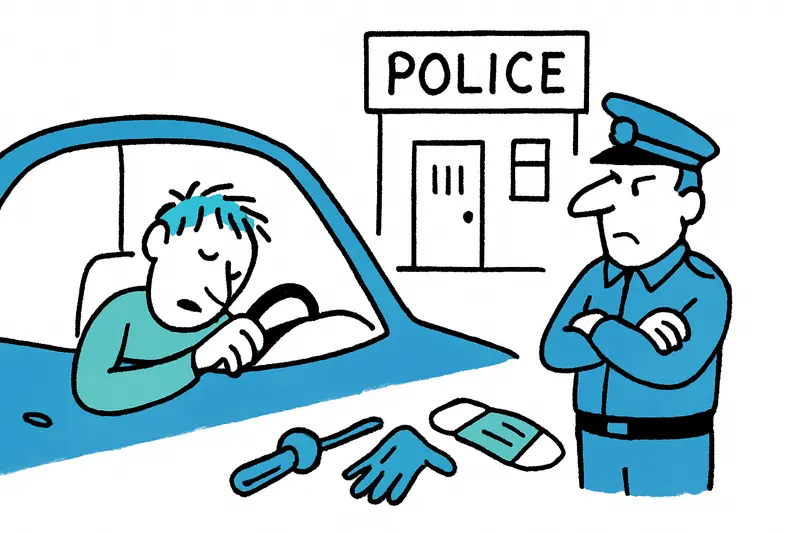
07.12.2025, Playa de Palma. The bare facts are sparse and oddly memorable: an 18-year-old sat or slept in a vehicle that had been reported stolen, directly in front of a police station. During the check, officers found a screwdriver, a rubber glove and a breathing mask. The young man did not have a driving license; later he apparently damaged a cell door at the station, which is why there is now an additional investigation for criminal damage. Local coverage of the episode can be found in Sleeping in a Stolen Car Outside the Station: Why the Playa de Palma Incident Is More Than a Curious One-Off.
Key question
How can such a constellation — a stolen car, tools, protective masks, no driving authorization, immediate proximity to the station — occur, and what is missing in the public debate to prevent such incidents?
Critical analysis
At first glance the picture is contradictory: someone using a stolen car would normally avoid a police station. That the vehicle was parked in front of the station suggests a lack of planning, clumsy inexperience or a situation with a high stress level. The items found — a screwdriver, a glove, a mask — fit an attempt to gain access to vehicles or spaces. Whether this young man had burglary experience or acted in a single, unplanned episode remains unclear. Also unresolved is how long the car had been missing and how communication between the owner, keeper and police unfolded, and similar issues around nighttime incidents have been highlighted in Playa de Palma at Night: Phone Tracking Catches Suspect — But What Does It Say About Our Safety?.
Importantly: we know the suspect had no driving license. That increases the danger for all road users and exposes gaps in monitoring and support for young people who gain access to cars. The damaged cell door also raises questions about proportionality of detention, supervision and de-escalation measures at police stations.
What is missing from the public discourse
The discussion quickly turns to blame and punishment rather than causes. Often missing are questions like: How do young people end up using stolen vehicles? What role do secondary factors such as lack of prospects, alcohol, peer pressure or late-night meeting spots along the promenade play? There is also a lack of clear debate about prevention chains — schools, youth services, police, neighborhood — that would need to work together before a crime occurs.
A commonplace scene in Palma
Imagine the Playa de Palma in the early morning hours: garbage trucks rattle along the promenade, seagulls screech over the Passeig Marítim, a few night-shift workers sip a café con leche at the bar. A quiet engine idles in front of the police station. It is precisely these transition times when supervision gaps emerge: bars close, young people wander aimlessly, vehicles are parked and used for fun or out of desperation. The scene seems harmless until the siren wails and a sleep at the wheel becomes a police report.
Concrete approaches
1) Early prevention in schools and youth centers: Workshops that address practical risks of handling someone else's car, the consequences of theft and alternatives to roaming at night; partners: schools, youth centers.
2) Stronger neighborhood and business coordination: Hotels, bars and cleaning crews along beach stretches can report suspicious behavior more quickly; simple reporting channels like WhatsApp groups or a local hotline help.
3) Police on site: de-escalation measures and rapid care: When young suspects are taken into custody, there need to be fixed procedures for humane accommodation, opportunities for conversation and youth psychological assessment to avoid escalations such as damage to a cell door.
4) Vehicle security and informing owners: Easily implementable steps — better anti-theft measures, advice to tourists and residents on how quickly to report a missing vehicle — reduce opportunistic thefts.
A few minutes of thought instead of loud outrage
Police are investigating, crimes must be clarified and prosecuted. At the same time, more is needed than prosecution alone: local prevention chains, clear contacts for young people and visible but non-confrontational presence at hotspots like Playa de Palma.
Conclusion
At first glance the incident reads like a small nighttime crime story: a drunken young person, a stolen car, a broken cell door. Looking closer, one sees systemic gaps — in prevention, support and local knowledge; earlier incidents such as After Cash Robbery in Playa de Palma: What the Risky Escape in a Stolen Rental BMW Reveals About Mallorca's Security Gaps underline the need for broader measures. Those who want to prevent similar cases should talk less about indignation and more about concrete, locally anchored measures. Otherwise the question remains: could a few simple steps have prevented that morning?
Frequently asked questions
Why do stolen car incidents sometimes happen so close to a police station in Mallorca?
What should I do if I think my car has been stolen in Mallorca?
Can you drive in Mallorca without a license if you are caught in a stolen car?
What do tools like a screwdriver, glove and mask suggest in a car theft case in Mallorca?
How can Mallorca prevent young people from getting involved in car theft?
Is Playa de Palma more vulnerable to night-time incidents in Mallorca?
What can hotels and bars in Playa de Palma do to help prevent crime?
What does the Playa de Palma case say about prevention in Mallorca?
Similar News
The End of the Cheap Ride? Why Mallorca Is Hit Harder by the Fuel-Price Shock
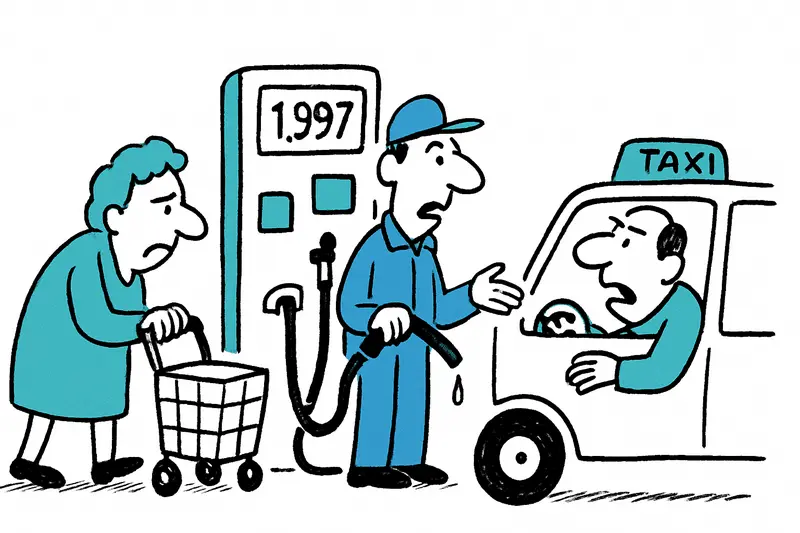
Gasoline and diesel average close to two euros per liter. What this means for commuters, supply chains and renters in Ma...
Relaxed liquid rules in Munich: What Mallorca travelers will notice
At Munich Airport the 100-milliliter rule will be lifted at all checkpoint lanes — thanks to new CT scanners passengers ...
For 45 Years on Mallorca — and Then This: How a Market Visit in Santa Ponsa Became a Lesson
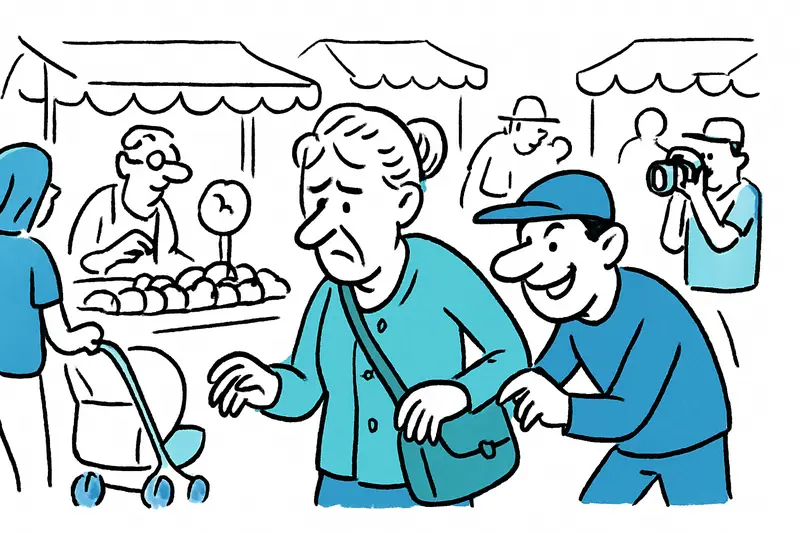
A woman who has lived on the island for decades lost money and important documents at the Mercat Setmanal in Santa Ponsa...
10 percent surcharge on the beach: How legal and transparent is the extra charge at Playa de Muro?
A German part-time resident noticed days after a restaurant visit in Playa de Muro that the bill included a flat ten per...

Body near the Llevant Market: What this death says about our city
A man was found dead on Sunday afternoon near the Llevant Market. Police say the death appears natural. The scene raises...
More to explore
Discover more interesting content

Can Cap de Bou

Townhouse Lleo 72
