

My First Orange Adventure in Mallorca – 1976 in Cala d'Or
My First Orange Adventure in Mallorca – 1976 in Cala d'Or
A personal memory of airplane smoke, pay phones, fresh ensaimadas and oranges straight from the field: how Mallorca tasted and sounded in the 1970s.
My First Orange Adventure in Mallorca – 1976 in Cala d'Or
A short trip full of flavour: flying, forbidden beach kisses and the scent of freshly harvested oranges
It was 1976, and the journey to the island took me on a Tristar from Düsseldorf to Palma. For a look at those early aircraft and travel conditions, see When Mallorca Began with Propellers. Back then there was still a small in-flight meal, cigarette smoke was allowed, and the world felt bigger because travel wasn’t as casual as it is today. I remember the slight vibration at takeoff, the clinking of a tray and the first time I recognized the pine tops of Cala d'Or beneath me.
On the ground many things were different from today. Calls were made via coin-operated phones; the coin compartment rattled when you tried to get a connection every few minutes. The queues in front of the booths felt like small social meeting points: you heard plans, loud greetings and occasionally a laugh when someone tried a hands-free trick with a bit of wire. There were neither supermarkets with endless shelves nor large petrol station chains; wine was bought at the Cooperativa in Felanitx in the well-known five-litre wicker bottles, and the bread was mostly baguette — good enough for the table.
The Sunday market — I can still smell it today — was a mix of citrus scent, fresh fish and the heavy sweetness of Mallorca’s ensaimadas, which especially attracted the children. People bought fish straight at the small harbour, which at the time was much smaller than today. On the quay a few fishermen stood, sorting nets and exchanging the day’s news; the harbour felt like the heart of a village, surrounded by pines and the rustling of needles. A look back at the island in film and its warnings is available in Mallorca in Retrospect: A 1970 Film and the Uncomfortable Truths We Haven't Solved.
The rules of the time were visible and tangible: kissing in public was still considered indecent, going topless was taboo, and names like the Balnearios spoke for themselves. For us that was part of the charm. Life moved more slowly, nights were simpler: when a thunderstorm came the island could be in the dark for hours; candles and matches were ready, and cooking was done with gas. A small sunset, an improvised dinner, and life felt immediate. Contemporary coverage like Orange Alert: How Mallorca Is Preparing for a Wet Late Summer shows how weather still plays a surprising role on the island.
Practical matters were adventures. Refuelling meant driving to the old pump at Plaça Espanya in Felanitx and hoping it was open. In Cala d'Or there was a petrol station at the harbour, but its opening hours were a surprise. And flights with stopovers in Linz or Ibiza could unexpectedly extend the return journey — but that was part of it.
A very special moment: the oranges. I picked them straight from the field — juicy, still warm from the sun. The feeling of walking through the fields with dirty hands and sticky fingers, the crack of the peel between thumb and forefinger, was a little celebration. Such simple pleasures still show me why people become attached to this island: scents, taste and the immediate connection to the landscape. Similar scenes of citrus and local life are described in Light Drizzle in Sóller: Oranges, Tram and the Scent of Coffee on a Mild October Afternoon.
There were curiosities: a portable television with two V-antennas that sometimes only showed snow; specialised spirits shops where beer and brandy were bought; and products you brought from home because the selection was limited. All of this made the time manageable and at the same time lively.
Today, when I walk through the shady alleys of Cala d'Or, I hear the crunch of gravel underfoot, the distant clatter of a boat and see tourists with smartphones who can find many things instantly. But at a stall where local wine is offered in wicker bottles, at a market stall with fresh fruit or at a bakery with warm ensaimadas, I discover the same calm that did me so much good in 1976.
Why are such memories good for Mallorca? Because they remind us that the island is not just posts and hotels, but small, tangible moments: the taste of a freshly picked orange, a conversation with the fisherman at the harbour, the sound of a telephone coin falling. These details nourish the identity of places and help build responsibility for what should be preserved.
My little outlook: If we support local markets, visit the cooperatives and teach children again how to peel an orange properly, we preserve more than flavours. We preserve stories. Anyone who wants to get to know the island should take their time, have a coffee (or bring their own cup) and go to the market on a Sunday. The island repays it with flavour and memories.
About the narrator: A former export manager, now retired and living in eastern Mallorca, who paints and writes in everyday life and likes to start with a walk through pine groves.
Frequently asked questions
What was Mallorca like for visitors in the 1970s?
Can you still swim in Cala d'Or during the shoulder season?
What should you pack for a quieter holiday in eastern Mallorca?
Where can I find local markets and fresh produce in Mallorca?
Is Cala d'Or still a good place for a slower holiday?
How common were power cuts and simple living conditions in old Mallorca?
Why are oranges so closely tied to Mallorca’s identity?
What is the harbour area in Cala d'Or like today compared with the past?
Similar News

Pool ordered for €46,000 – €23,000 paid, no work carried out: A fraud case in Palma
A homeowner in Palma transferred €23,000 for the construction of a pool. Weeks later it emerged that no building applica...

Summer greetings from the Pitiusas island: Gottschalk and Krüger enjoy the sun on Ibiza
A friendly photo of Thomas Gottschalk and Mike Krüger on Ibiza evokes memories of their shared film years and shows that...
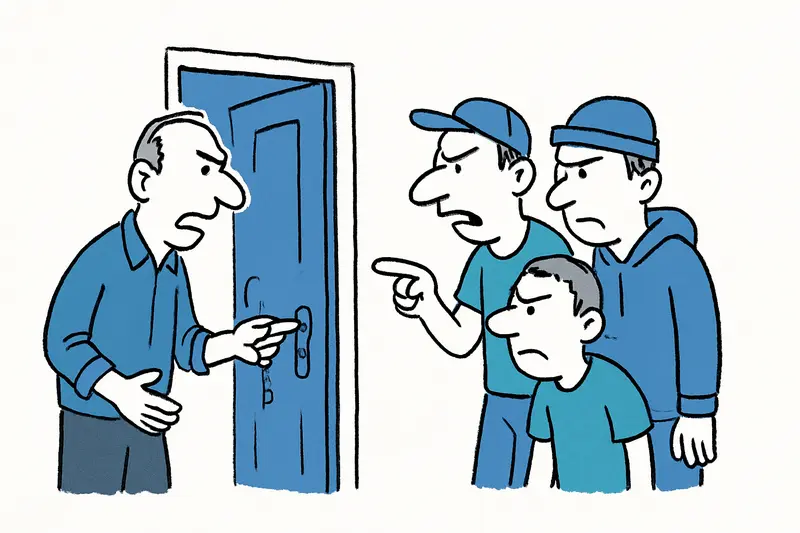
Occupied in a Few Days: When Property in Mallorca Turns into a Dispute
Six young men were arrested in Palma after homeowners returned and could no longer open their own door. A case that rais...
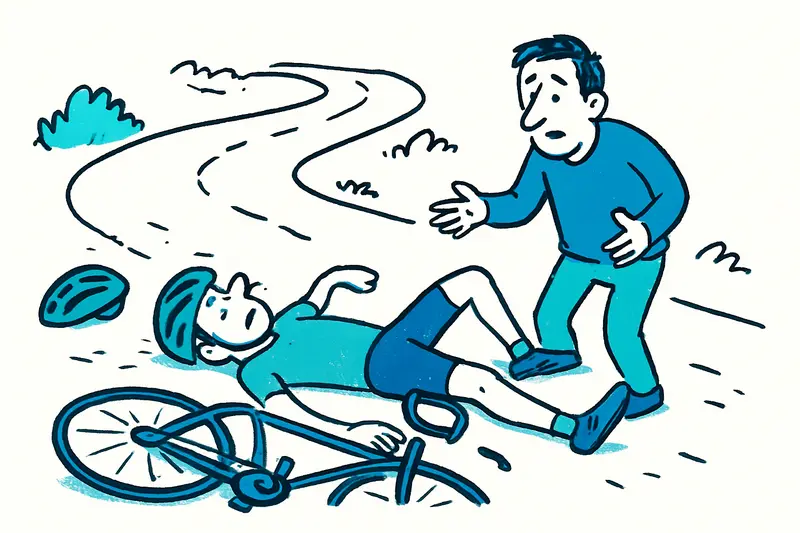
Serious fall at Port d’Andratx: Who protects cyclists on this route?
A 66-year-old German cyclist fell between Port d'Andratx and Camp de Mar, hit his head and was taken to hospital. One ac...

Four goals, heart-stopping moments, a message: Germania Mallorca takes three points in Consell — questions remain
The new German club on the island won its first away game in Consell 4:3. Celebration, a 4:0 lead, then a nervous finish...
More to explore
Discover more interesting content

Can Cap de Bou

Townhouse Lleo 72
