

Rich, Richer, Mallorca? A critical look at the growing super-rich bubble
Numbers: Around 3,600 millionaires in the Balearic Islands hold a combined €27.6 billion. What this concentration of wealth means for tenants, craftsmen and island society often remains underexposed. A reality check.
Rich, Richer, Mallorca? A critical look at the growing super-rich bubble
The raw numbers are striking: according to current counts, about 3,600 people with millionaire fortunes live in the Balearic Islands; their combined capital amounts to around €27.6 billion, and the average net wealth is about €7.69 million. Who sits at the top is well known: entrepreneurs and celebrities with billion- or multi-million fortunes own villas, hotels and investments on the island. But what does this number really say about Mallorca?
Key question
How does a concentrated accumulation of great wealth change island life, whose everyday reality is shaped by older neighbors, craft businesses, small restaurants and tenants?
Critical analysis
The statistics record assets, not entanglements. A lot of money can be tied up on Mallorca—in the form of luxury properties, resort stakes or private fortunes—and yet little of it may flow into everyday local life. Luxury purchases do create construction jobs, interior fitters and gardeners temporarily; the long-term effect on wages, local tax revenues and infrastructure is diffuse. Many wealthy people arrange their finances across borders or only live here seasonally; that makes the impact of wealth hard to measure. At the same time, residents in places like Port d'Andratx or Cala Mayor feel tangible side effects: rising land prices, housing shortages and more short-term rentals that displace tenants. Tourism benefits in the short term, but supply for ordinary workers—from waitstaff to caregivers—remains strained.
What is missing from public discourse
Even when numbers make headlines, there is rarely a distinction between tied-up wealth (an art collection, a hotel) and regular income that has a local effect. There is a lack of transparency about how much tax base actually remains on site. Also hardly discussed is the perspective of the wealth holders themselves—why they stay here or are only present temporarily—and how vacant luxury properties are handled outside the season. Another taboo is the strain on infrastructure: schools, sewage, traffic—who pays the ongoing costs if owners use properties only certain months of the year?
Everyday scene from the island
Early in the morning in front of a bakery on Passeig Mallorca the gravel crunches, vans unload croissants, retirees gather for a chat. Around ten o'clock a craftsman drives a van marked "servicio" to the market to pick up materials for a villa up the hill. The neighbor who has lived in her flat for twenty years says the landlord raised the rent because the neighborhood has become "more attractive." Boats drift in from the harbor, voices in several languages rise at the Casseta—a everyday mix that shifts as soon as the luxury season begins. Such scenes show concrete social frictions: not just numbers, but people who feel the effects of wealth in daily life.
Concrete approaches
There are pragmatic steps that administration and society could take: 1) More data: more open statistics that distinguish between permanent residence, seasonal use and wealth tied up abroad. 2) Tax transparency: clearer rules on which incomes must be taxed locally, coupled with checks for vacancies and second homes. 3) Protect housing: more affordable rental housing through municipal land policy, incentives for long-term rentals instead of short-term marketing. 4) Create participation: local levies that flow into direct projects for craftsmen, schools and public spaces so visible benefits reach everyday life. 5) Promote sustainability: stricter requirements for major projects in sensitive coastal zones so investments do not come at the expense of the environment.
Concise conclusion
Wealth comes and goes, and numbers impress—but they do not replace the daily experience of neighbors, shop tenants and craft businesses. If Mallorca becomes a gathering place for large fortunes, island politics must provide answers: not moralizing, but shaping. Otherwise a Riviera without real neighborhoods threatens—shiny facades, empty stairwells and a daily life no longer made for the majority.
This text is a reality check: it is not about envy, but about the question of how a community remains fair and vibrant when a few own very much.
Frequently asked questions
When is the best time to visit Mallorca for pleasant weather?
Do I need a swimsuit to enjoy Mallorca?
What should I pack for a Mallorca trip?
Is Mallorca easy to get around without a car?
Where are the best beaches in Mallorca?
What activities are popular in Mallorca for different ages?
Is the sea safe to swim in Mallorca year-round?
Do I need a jacket for Mallorca evenings?
Similar News
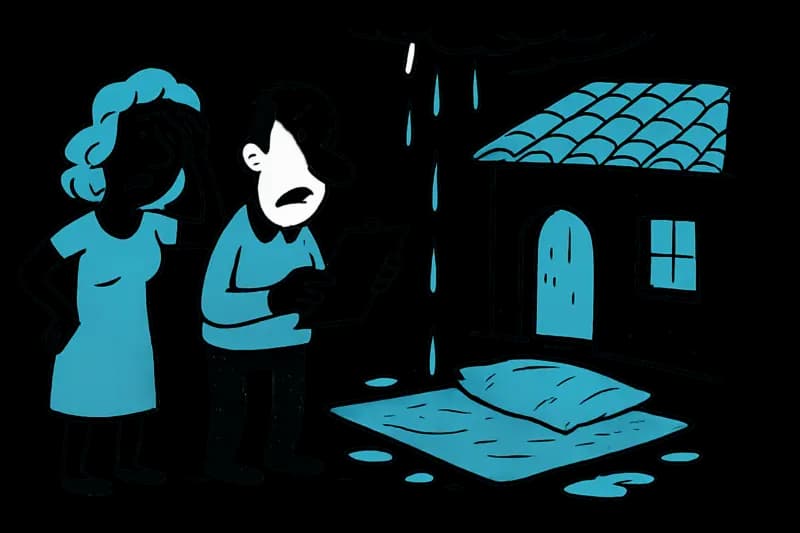
Just Bought — Already Trouble: Water Damage in the Heiters' Villa and What Owners in Mallorca Should Know Now
A newly purchased sea-view property — and within days a water damage. What risks lurk in new properties in Mallorca, and...
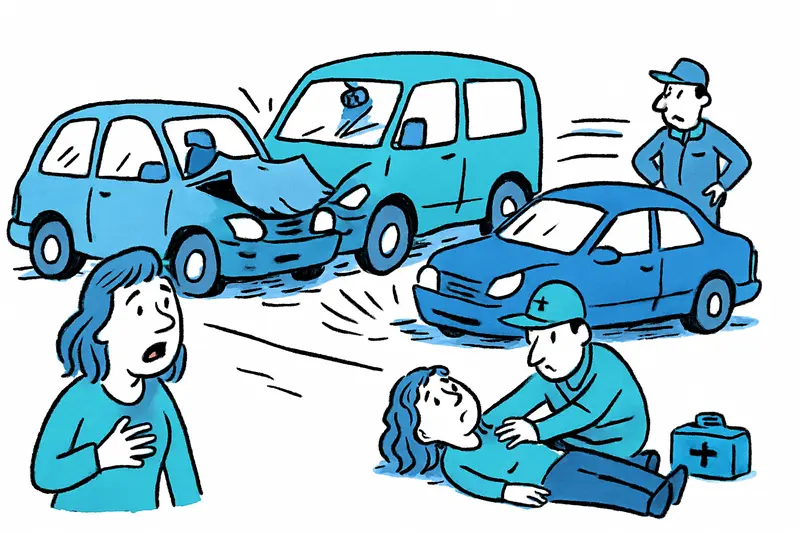
Chain reaction on the MA-1: Eight injured in rear-end collision near Portopí
On Tuesday morning there was a crash at the Andratx exit to the MA-1 towards Palma: a rear-end collision between a car a...
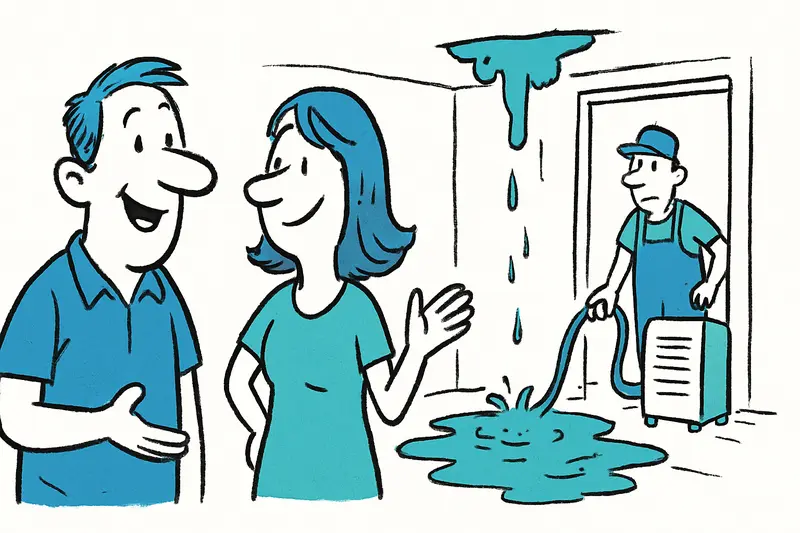
Happy Couple and Water Damage in Mallorca: A Reality Check for Home Buyers
Just moved in, already water under Mallorca's sun: the case of the influencer couple highlights risks often overlooked w...
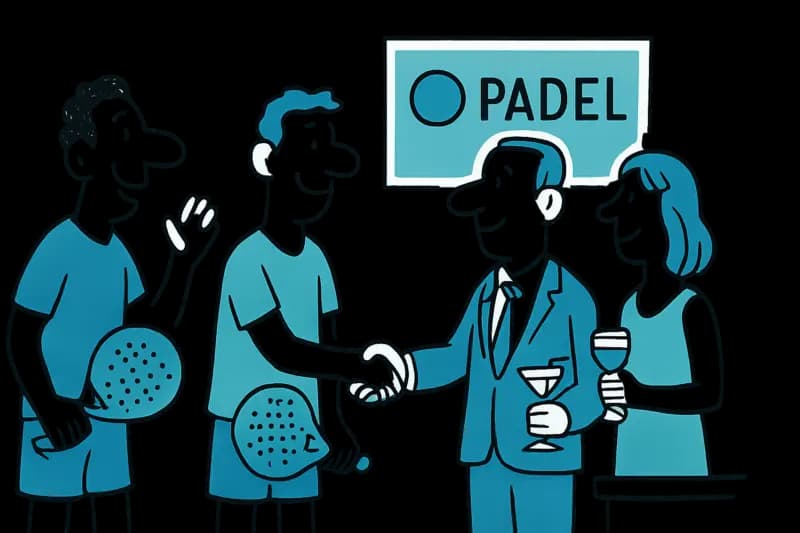
Bendinat as a meeting place: Padel Cup brings together nearly 120 players
Three days of padel at the Bendinat Urban Country Club: organized by El Económico and Borbalán, with around 120 particip...
Large-scale Anti-Tourism Graffiti at Cala Mendia: Protest or Vandalism?
On the morning walkers discovered an approximately 50-meter-long slogan against tourism on the wall above Cala Mendia. W...
More to explore
Discover more interesting content

Can Cap de Bou

Townhouse Lleo 72
