

Road to Cap Formentor: New Closure Times and Open Questions for 2026
Road to Cap Formentor: New Closure Times and Open Questions for 2026
From May 15 to October 15, 2026, access to Cap Formentor will be closed to private cars during the daytime. A good idea — but what about residents, beach visitors and the bus connections?
Road to Cap Formentor: 2026 closures bring order — but not all answers
Key question: Is the early closure a genuine traffic and nature protection measure or rather a patchwork solution without a plan?
The Balearic government has announced that next year the road to Cap Formentor will be closed to private cars from May 15 to October 15 between 10:00 and 22:00. In peak season only TIB buses will be allowed to reach the northernmost point of the island; access to Playa Formentor by private car will only be possible as long as parking spaces are available. Those who do not comply risk a fine of up to 200 euros. The DGT recorded 2,300 violations at Cap Formentor this year. For background see Formentor 2026: Car-free two weeks earlier — what travelers and residents need to know.
At first glance this sounds like a clear cut: fewer traffic jams on the MA-2210, less illegal parking in the pine forests, less chaos at viewpoints like Mirador Es Colomer. But many unanswered questions stick to the cobblestones of this measure.
First: What is the real capacity of the TIB buses? At peak times tourists are often still packed into overcrowded minibuses even at 21:00. If private cars are kept out, the buses must become more reliable, more frequent and accessible. People with strollers or luggage heading to Playa Formentor must not be left stranded in a seven-person tourist group. A recent review, More Cars, More Buses: Formentor's Traffic After the Lifting of Access Restrictions, offers context on shuttle operations and demand.
Second: Who is thinking of residents and service providers? The closure during this narrow time window also affects people who live, work or provide services here. Clear rules for exemption permits and a fast, locally accessible procedure are needed — not just forms that sit in offices for weeks.
Third: Enforcement is more than roadblocks. The DGT figure of 2,300 violations shows that bans without enforcement achieve nothing. The question is how consistently they will be punished: mobile checks, automatic license plate recognition at access points or visible presence on site? Without a comprehensible enforcement strategy, the closure risks becoming a mere regulation.
What is often missing in the public debate is the infrastructure perspective: park-and-ride points in Port de Pollença or Alcúdia, combined with a free or cheap bus ticket, could intercept many car movements. Digital aids are also hardly discussed: an app showing real-time available parking spaces at Playa Formentor, reservation windows for day visits or info boards at the entrance would reduce chaos.
A scene from everyday life: on a hot June morning the gravel crunches at the station in front of the mirador. Families with sunshades stand in the blazing sun waiting for the bus while a rental car turns around because the signage was unclear. A fisherman passes by and closes the door of his van — he has a resident permit, but no one told him in advance how often he is allowed to use the access. Such scenes are typical and show that rules must also be socially thought through.
Concrete proposals that could be implemented immediately: 1) a time-staggered reservation system for private access on weekdays and weekends; 2) a park-and-ride in Port de Pollença with increased TIB bus frequency at peak times; 3) real-time parking sensors and a public display of remaining spaces at Playa Formentor; 4) clear, transparently communicated exemption permits for residents, suppliers and people with reduced mobility; 5) graduated fines for repeat offenders and digital recording at key points.
The closure is not an end in itself. If it succeeds, pine forests and cliffs can be better protected, walking paths will remain quieter and visitors will have a less stressful experience. But if it is introduced without accompanying measures and open communication, traffic will shift to neighboring towns, residents will suffer and fines will often hit well-meaning tourists who were simply poorly informed.
Conclusion: The earlier closure to Cap Formentor is a bold step. What will be decisive is whether administrations and transport operators close the gap between the ban and everyday reality. Otherwise a sensible idea will become just another sign at the roadside — but with small, effective additions the island could show how to combine visitor management and nature conservation without forgetting the people who live there.
Frequently asked questions
When will the road to Cap Formentor be closed to private cars in 2026?
Can I still drive to Playa Formentor by car in Mallorca?
How do you get to Cap Formentor without a car?
What happens if you ignore the access restrictions at Cap Formentor?
Why is Mallorca restricting private cars on the road to Cap Formentor?
Will residents and service providers still be able to access Cap Formentor?
What bus and parking changes could make Cap Formentor easier to reach?
Is the new Cap Formentor closure in Mallorca enough on its own?
Similar News
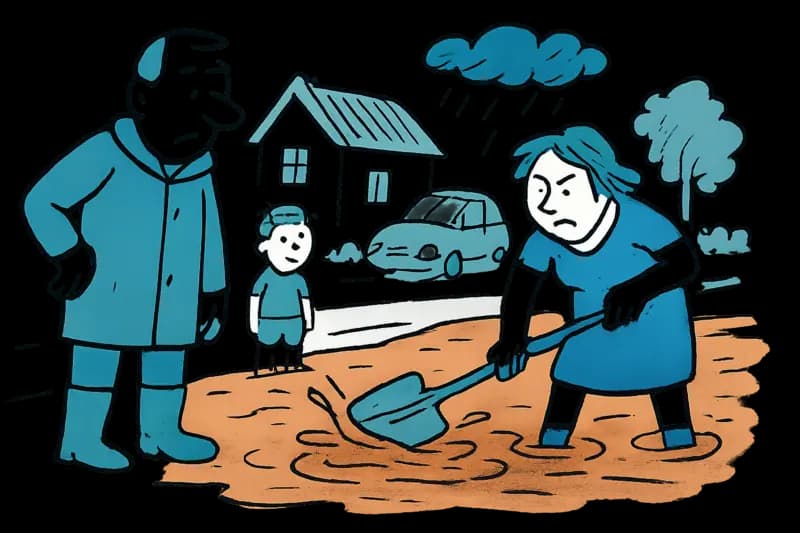
Nightmare 'Dana/Adam': Why the brown water at Cala Llamp is only a symptom
Heavy downpours turned Cala Llamp's water brown and flooded streets. Key question: How well is Mallorca prepared for suc...
Dana "Adam" paralyzes airports: What the many cancellations mean for Mallorca
Storm "Adam" caused 64 canceled flights and 16 diversions on Mallorca and Ibiza. An analysis of what lies behind the num...

Formentor Lighthouse Accessible by Car Again – A Small Relief for Holiday Days
Since October 18, private cars are allowed again to drive to the lighthouse at Cap Formentor. For holidaymakers this mea...

Rental Cars at the Airport: When the Handover Turns into a Sales Zone
Two holidaymakers report aggressive insurance offers, unclear charges and payment refusals at the counter in Palma. A re...
Why Ibiza's Streets Are Under Water — and What Mallorca Must Learn
Red alert level, overflowing street drains in Es Pratet and a rat that crawled out of the sewer: the deluge on Ibiza exp...
More to explore
Discover more interesting content

Can Cap de Bou

Townhouse Lleo 72
