

Formentor 2026: Car-free two weeks earlier — what travelers and residents need to know
Formentor 2026: Car-free two weeks earlier — what travelers and residents need to know
The Cap de Formentor peninsula will be closed to private cars daily from 10:00 to 22:00 between May 15 and October 15, 2026. We ask: Is that enough to solve traffic jams, noise and displacement? A reality check with everyday scenes and concrete proposals.
Formentor 2026: Car-free two weeks earlier — what travelers and residents need to know
Key question: Does moving the closure period really help, or is Mallorca just shifting the problem elsewhere?
The facts are short and clear: Access to Cap de Formentor will be closed to private vehicles in 2026 from May 15 to October 15 between 10:00 and 22:00 (Road to Cap Formentor: New Closure Times and Open Questions for 2026). Buses, bicycles, emergency services and residents with permits will be allowed. The island administration is allocating around €137,000 for information points and traffic supervision; in 2024 more than 245,000 vehicles were recorded at the northern tip. Those who drive without permission risk fines, which in 2025 ranged roughly between €100 and €200.
That sounds like a clear statement — and on the Passeig of Port de Pollença, when the public bus stops and the driver opens the door, it even sounds inviting: quiet instead of a metal avalanche, backpackers instead of honking tourists. But the measure is no magic fix. It does not automatically resolve the dilemma between nature protection and mass tourism. Hence this reality check.
Critical analysis: First, the capacity of alternatives. If everyone who would otherwise have driven a rental car is expected to switch to shuttle buses, more than pretty promises is needed. Will additional buses be deployed? Are stops, waiting areas and toilets sufficient? Past experience shows that a lack of frequency quickly leads people to try their luck with cars anyway — and then new congestion forms at the entrance to Port de Pollença.
Second, displacement effects. Restrictions at one popular spot often push traffic and parking pressure into neighboring towns. Strollers and market visitors around Plaça de Port de Pollença could soon see more cars if access points there become overflow parking. That breeds resentment among residents: less quality of life instead of less traffic.
Third, enforcement and communication. €137,000 is a visible sum, but how will it be spent? Information points are good — but they are useless if notices are barely understandable or only sporadically available in English and Spanish. Someone who rolls past a barrier must immediately know why that is wrong and what alternatives exist. Otherwise it will remain a matter of fine statistics and annoyed tourists (see related coverage in Driving Ban at Cap Formentor Ends – Opportunity or Setback for the Island?).
What is often missing from the public debate: numbers on ecology, the actual reduction in emissions, and the utilization of public transport. There are no clear commitments for accessibility (how will older visitors reliably reach the lighthouse without a car?) and solutions for delivery traffic, tradespeople or events that need daytime access. Also rarely discussed is how second-home owners, seasonal workers and small businesses will be affected.
An everyday Mallorca scene to put it in context: On a Saturday in June, just before the closure hours, cars park all the way to the end of Cala Murta, children eat ensaïmada, a fisherman hauls in his nets, and suddenly everything backs up on the narrow winding road — car doors, lamp housings, irritated voices. The closure is meant to prevent such moments. But who plans ahead, and who queues fairly?
Concrete solutions needed now:
- Capacity plan for buses: Timetables with high frequency at peak times, clear upper limits and online reservations for day visits.
- Park-and-ride points: A large, signposted car park before Port de Pollença with bike rental, charging points for e-bikes and sufficient toilets.
- Digital and multilingual information: Real-time access status via an official app or website; notices in German, English, Spanish and Catalan.
- Precise rules for delivery and work traffic: Time windows and permit processes for businesses, trades and events.
- Social compensation measures: Resident discounts, better tickets for seasonal workers and support for small tourism businesses so that only the big providers don't benefit.
Conclusion: The earlier closure is a step in the right direction. It can reduce congestion and pressure on the coast — provided politicians fill the gap between the ban and everyday practicality with concrete measures. If you plan to visit Formentor next summer, don't rely on luck: plan to take the bus, check park-and-ride options, or rent a bike. And for those who live here: demand transparency on the exact deployment plans for the €137,000 — otherwise the peace will remain a vision that ends at the entrance.
Frequently asked questions
When will private cars be banned from Cap de Formentor in Mallorca in 2026?
Can you still visit Formentor in Mallorca without a car?
What happens if you drive to Cap de Formentor without permission?
Is the Formentor road closure likely to reduce traffic in Mallorca?
Will Port de Pollença get more traffic because of the Formentor restrictions?
Are buses to Cap de Formentor in Mallorca expected to be enough in summer?
What should I know about visiting Cap de Formentor with children or older travelers?
What is changing at Cap de Formentor in 2026 compared with earlier years?
Similar News
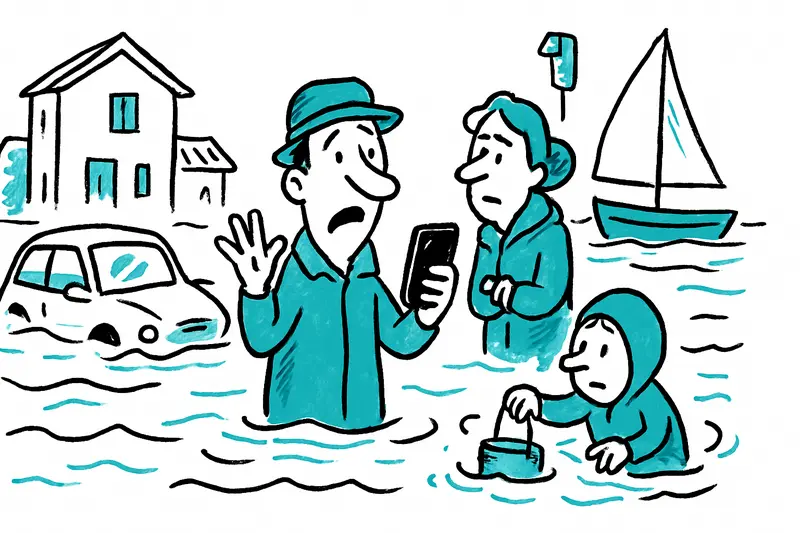
When the Village Street Became a Flood: What Storm Adam Reveals About Mallorca's Vulnerability
Roaring water turned Carrer de Palma in Consell into a torrent on 19 October; on the coast beachgoers helped prevent a s...
Krümel in a celebratory mood: How Peguera danced at the season closing
With accordion, glitter and an international audience: Marion "Krümel" Pfaff combined her birthday with the season-closi...
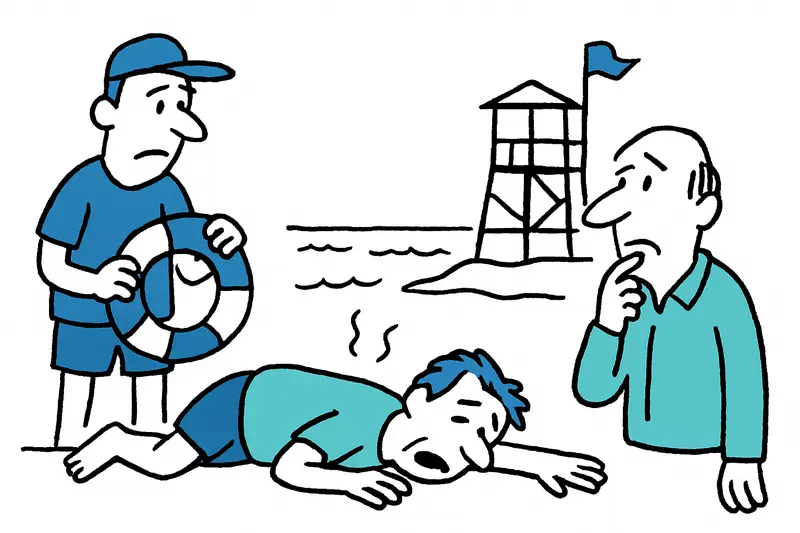
After the bathing accident off Formentera: Should the rescue network have acted faster?
The widow of the 64-year-old swimmer levels serious accusations: delayed rescue, no flag on the tower and a 112 that was...

Probation sentence after 575 euros taken from a wallet in Marratxí: Is returning the money a mitigating factor?
A woman took 575 euros from a wallet left at a Marratxí gas station. She confessed, returned the money and received a fo...
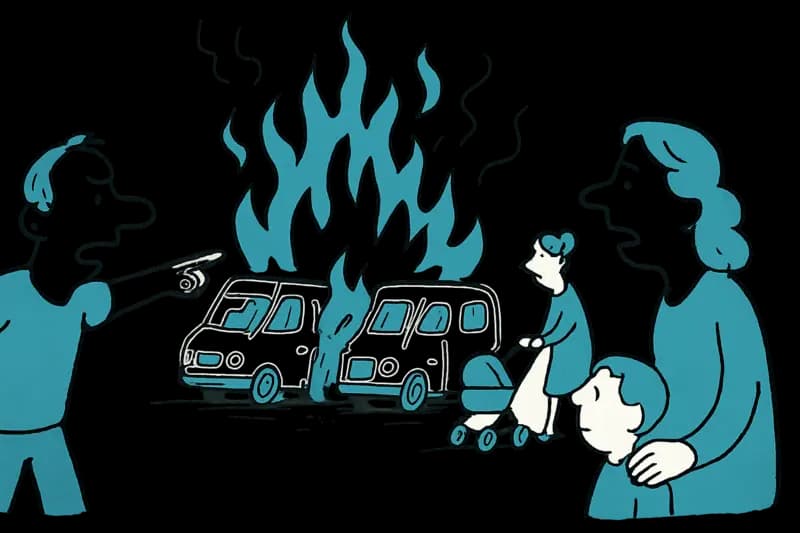
Fire at the Son Hugo Parking Lot: When a Neighbourhood Dispute Becomes a Fire Catastrophe
Three motorhomes in the parking lot by the Son Hugo indoor pool burned out completely. Police suspect arson following a ...
More to explore
Discover more interesting content

Can Cap de Bou

Townhouse Lleo 72
