
Fire, Music and Neighbourhood: Sant Antoni Lives in Mallorca's Villages
Fire, Music and Neighbourhood: Sant Antoni Lives in Mallorca's Villages
When the devils march through Sa Pobla and Manacor, the island smells of smoke and grilled meat. Sant Antoni is more than noise and sparks: an evening when neighbours draw closer again.
Fire, Music and Neighbourhood: Sant Antoni Lives in Mallorca's Villages
The most beautiful scenes from Sa Pobla, Manacor, Pollença and Capdepera
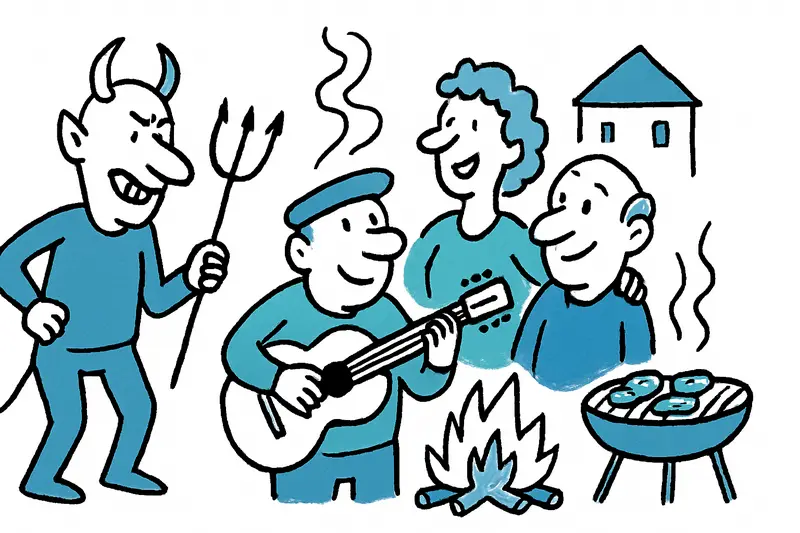
Tonight small towns light up across the island like nodes of old communities. On the Plaza Mayor in Sa Pobla the steps fill up, people shake hands, children climb the low walls — at 9:15 p.m. the devils begin their dance there. The air is a mix of smoke, charcoal and the smell of grilled meat; somewhere glass bottles clink, further back someone plucks a familiar melody on a guitar.
In Manacor the spectacle starts earlier: from 7:00 p.m. decorated carts with devil figures roll through the streets, then the first bonfire is lit in front of the church. The program was adjusted at short notice after a roof collapse yesterday morning claimed the life of an 18-year-old. The atmosphere there is more subdued; still many people gather to remember the tradition together and to be close to the families.
Also in Pollença numerous "foguerons" burn today — small neighbourhood fires where people start conversations. On the squares older people sit with jackets against the evening chill, younger ones bring wood and bread. Capdepera, meanwhile, fills the alleys with noisy figures: devils and demons march through the streets, some households hang up strings of lights, others set out tables with hot dogs and sobrasada.
Anyone who has taken part in Sant Antoni knows the little rituals: lighting each other's wood piles, the brush of sparks against a leather jacket, the collective laughter after a surprising pop. These are not perfectly staged shows, but lively, slightly unruly evenings in which neighbours draw closer — around the fire, while grilling together or when rounding up the last chickens before the flames.
The Autumn Festivals in Mallorca: Markets, Sea and a Touch of Fire do the island good. They are a piece of lived solidarity and a window into the centuries-old customs of the villages. Young people who otherwise work in Palma or in tourism come back, bring stories from the year and help stack the wood. Local bars notice it: a full counter, an extra shift for the cooks, a few additional reservations, similar to events like Fira del Variat in Pere Garau: Neighborhood Night of Tapas, Music and Community Spirit. Not a tourist drum-fire, but the familiar bustle that keeps a community warm.
For visitors: keep your distance when the devils work with fireworks; watch the children; wear sturdy shoes (sparks fly in the alleys). A warm jacket is advisable in the evening — Mallorca's January nights can be sharp. If you want to do something good, buy a portion of grilled food at one of the stands or a drink in the village bar. That stays where it's needed.
Finally, a small glimpse of everyday life: on the way back from Sa Pobla to Campanet the last fire still flickers on a village hilltop, the smell of cigars mingles with orange blossom. Someone whistles a tune you know from childhood. These are the images that remain — not a great monument, but a feeling of familiarity.
Sant Antoni is not a museum, it is an evening that brings the island closer together. The flames show not only how to master fire, but also how to celebrate, mourn and move on together. And that, in the middle of January, is a beautiful thing for Mallorca.
Frequently asked questions
What is Sant Antoni in Mallorca and why is it celebrated in villages?
What should I wear to Sant Antoni celebrations in Mallorca?
Is Sant Antoni in Mallorca suitable for families with children?
When is the best time to visit Mallorca for Sant Antoni festivals?
What happens in Sa Pobla during Sant Antoni in Mallorca?
How is Sant Antoni celebrated in Manacor?
What can visitors expect in Pollença during Sant Antoni?
What should visitors know about Sant Antoni in Capdepera?
Similar News
Are the Balearic Islands the Southern Border of Europe? A Reality Check on Immigration
The Balearic Islands are again calling for EU aid after a sharp rise in arrivals by sea. Conflicting priorities between ...

"Expensive chaos" and many open questions: What clients can do when a lawyer suddenly stops responding
Several clients complain that a well-known German lawyer in Mallorca has been unreachable for months. Key question: What...
TV tip: 'The Last Problem' — Mallorca as the setting of a classic crime
A classic whodunit on Mallorca: A new miniseries set in spring 1959 brings storm, an isolated hotel and a dense web of s...
Nipping Sea Creatures: Why Bathers in Cala Major and Elsewhere Should Be Cautious
In Cala Major, bathers have reported being nipped by small fish. What is behind it, how can problems be avoided — and wh...
Forced eviction in Santa Catalina: When a 65-year-old slept in her car and showered on the beach — a question of responsibility
The story of Pilar López from Santa Catalina represents a problem affecting many Mallorcans: How can an island with a bo...
More to explore
Discover more interesting content

Can Cap de Bou

Townhouse Lleo 72
