
Sóller in the water crisis: reserves now only for about ten days — how the municipality must respond
Mayor Miquel Nadal warns: Sóller’s water supplies are only sufficient for around ten days. Short-term saving measures are barely enough — clear priorities, rapid assistance and a plan for the future are needed.
Sóller in the water crisis: reserves now only for about ten days
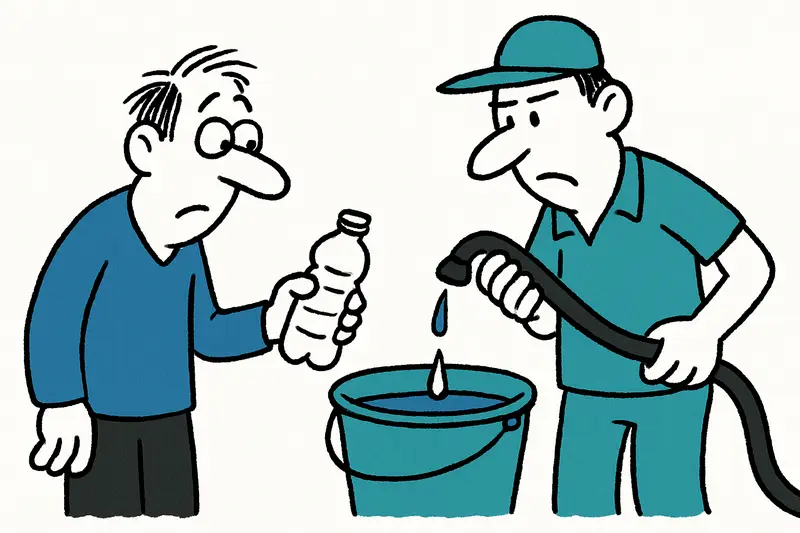
On the morning around the Plaça near the market hall there was an unusual calm. Traders who normally chat over coffee were filling their water bottles more sparingly, the tram to Port de Sóller puffed quieter than usual, and the cicadas above the orange grove seemed to comment on the issue with a piercing chirr. Mayor Miquel Nadal has said openly what many feared: the local water reserves have shrunk to the point that, at unchanged consumption rates, they would only last for about ten days; this was reported in Sóller Facing a Drinking Water Emergency: Ten Days Until the Crisis?
Bans are already in effect — but are they enough?
The administration reacted immediately: no refilling of private pools, no garden irrigation, no car washing on public surfaces. Notices are posted along the Passeig de sa Platja and at the harbor, watering cans are being put away in cafés at the Plaça de la Constitució, and hotels are monitoring shower times, while local restrictions are described in Sóller turns off the tap: Showers off, pools forbidden — how the town is dealing with drought and hoteliers have called for tougher oversight as reported in Sóller in Water Shortage: Hoteliers Demand Stricter Controls. All of this helps in the short term — but is it sufficient?
The central question: why did Sóller run low so quickly?
Behind the obvious cause — the long, hot summer and lack of rain — lie several less visible factors. On the one hand, the infrastructure is suffering: old pipes lose water and leaks remain undetected for too long. On the other hand, the high seasonality of demand means that peak times place enormous pressure on reserves — private pools, hotel complexes and intensive garden irrigation drain supplies. Added to this are legal and organizational questions: who may use which water and when, and how quickly can it be redistributed in a crisis?
The situation is particularly sensitive for agriculture in the valley. Farmer Maria, who checks the fields every morning at five, puts it bluntly: "We have to rethink — but water is life. If irrigation disappears, crops are at risk." Citrus and vegetable growers are tightly linked to local water rights — and a shortage there can quickly raise existential questions.
Which steps are needed now in the short and medium term
In the short term, prioritization must be strictly enforced: hospitals, schools and drinking water connections have priority. At the same time, emergency measures should be implemented that often come too late: mobile water transports to critical points, repair teams for leaks with prioritized access to materials, and a transparent timetable for rationing so households and businesses can plan.
In the medium term, Sóller needs more than prohibition signs. Concrete measures would include:
- Leak detection and replacement of old pipes: investments pay off through saved water.
- Subsidy programs for water-saving technology: drip irrigation for farmers, greywater recycling for hotels, incentives to close pools outside the season.
- Legal adjustments: allow and encourage rainwater harvesting and decentralized cisterns instead of hindering them.
- Emergency funds and tariff policy: temporary, tiered price incentives can reduce consumption and provide funds for rehabilitation.
What the municipality should request now from the council and the region
Sóller cannot provide all the answers alone. The mayor’s office must quickly organize support from Palma: technical teams, financial aid and, if necessary, temporary water treatment capacities (mobile desalination or treatment units); this local crisis is part of a wider regional emergency, as described in Water alarm in Mallorca: Seven municipalities turn off the tap — is saving alone enough? At the same time, communication is crucial: the hotline and information leaflets are a good start, but regular, clear updates and easily accessible figures on consumption and reserves are needed so that mistrust and rumors do not dig their own water holes.
What neighbors and businesses can do immediately
Every drop counts: shorter showers, full washing machines, economical dishwasher use, collecting leftover water for watering (where permitted) and controlled watering in the early morning hours. Cafés and hotels can save a lot with simple measures: fewer linen changes per room, low-flow showerheads, closed pool covers, and guest information on water-saving practices. Local neighborhoods are already exchanging recipes for water-saving tricks — solidarity could be decisive in the coming weeks.
The situation in Sóller is serious, but not yet hopeless. The central task is: act quickly so days do not turn into weeks, and at the same time set the right course for a more resilient water supply. If the municipality, farmers, tourism businesses and the region work together, the worst cuts can be avoided — but this requires planning, money and the courage for structural change.
We will keep you updated in the coming days, provide concrete figures when available, and report on emergency measures taken. Until then: save, help and remain calm — the clock is ticking, but together time can be gained.
Frequently asked questions
How serious is the water shortage in Sóller right now?
Can you still shower, wash clothes, and use water normally in Mallorca during a drought?
Is it still safe to swim in pools in Sóller during the water crisis?
What should tourists in Mallorca do if there are water restrictions?
Why does Sóller run low on water so quickly?
What can residents in Sóller do to save water at home?
What kind of support does Sóller need from the rest of Mallorca?
Will Mallorca face more water crises like the one in Sóller?
Similar News

First Day, First Consequences: What Palma's Rent Freeze Really Means
A new decree stops a planned eviction in Palma — but what really changes for tenants and landlords? A reality check with...

When Housing Becomes a Matter of Survival: Mallorca Between Rental Frenzy and Everyday Life
The case of 87-year-old Maricarmen showed that on Mallorca many people's lives are poised between affordable and uninhab...
Autumn in Mallorca: When Melancholy Gets a Window
Why autumn quietly tightens here — and how to make use of the mood: walks, culture, candles and the light from Palma to ...

Near-miss on Lanzarote: Landing Ryanair Jet and Iberia Takeoff — what really went wrong
On Lanzarote there was a dangerous incident: A Ryanair flight (FR5910) from Dublin landed on runway 03 while an Iberia E...

Eurowings introduces new Premium Business seats on Mallorca routes
From December 1, selected Eurowings flights to Palma and other destinations will feature eight particularly generous sea...
More to explore
Discover more interesting content

Can Cap de Bou

Townhouse Lleo 72
