
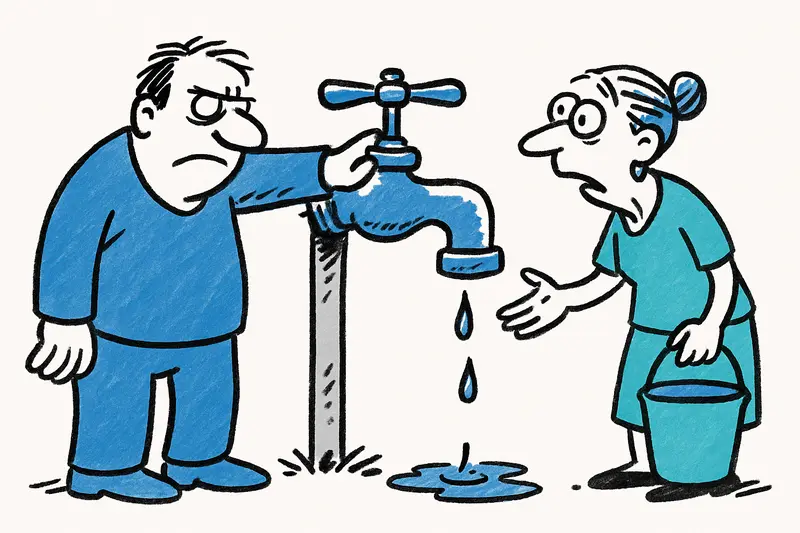
Water alarm in Mallorca: Seven municipalities turn off the tap — is saving alone enough?
Sóller, Fornalutx, Montuïri, Algaïda, Esporles, Deià and Pollença are throttling drinking water supply. Why the emergency is more than just the weather — and which practical paths out of the crisis could help.
Seven municipalities in savings mode — how dramatic is the situation really?
The cicada chirps as usual in the midday heat, but there is suddenly less life at hoses and taps. Sóller, Fornalutx, Montuïri, Algaïda, Esporles, Deià and Pollença have imposed binding restrictions on drinking water from the public network: private pools closed, gardens only watered to a limited extent, cars no longer washed with tap water. When the Tap Becomes a Luxury: Seven Municipalities Tighten Water Rules in Mallorca.
Why the shortage is more than a dry season
Of course, the few rains in recent months play a major role. But that is only half the truth. Rising consumption due to more households and tourism, old pipes with high losses, and the lack of linkage between municipal planning and regional water supply aggravate the situation. In some places, like Deià, supply reductions target affected neighborhoods — a sign that the infrastructure offers little room for maneuver. And yes: a sudden downpour in October would ease many problems. But relying on the weather is not a strategy.
What is happening in the municipalities now — and what is rarely discussed
The measures sound pragmatic: public swimming pools remain closed, time restrictions are imposed for electrical appliances, and campaigns like "Every Drop Counts" are meant to raise awareness. Sóller turns off the tap: Showers off, pools forbidden — how the town is dealing with drought describes similar local measures and notices. What is less visible to the public, however, are the hidden consequences: pressure on groundwater levels from increased well withdrawals, small farmers buying water by tanker truck, and the financial burdens on businesses that rely on a stable supply during the high season. There is also often a lack of discussion about wastewater reuse: treated water could be used in agriculture but is only being implemented hesitantly.
How people on the ground are reacting
At the kiosk on the Plaça in Sóller one hears the soft clink of ice cubes and the murmuring of neighbors checking their cisterns. An older woman says, "I flush less often, and it sorts itself out if everyone does their part." Hoteliers in Pollença report brief network disruptions and extra costs for emergency solutions, a trend explored in Water scarcity in Mallorca: Why hotels must now take responsibility. Gardeners are investing in drip irrigation, and some farmers are considering tanker trucks as an expensive temporary fix. The reactions show: solidarity mixes with concern — and pragmatic everyday adjustments.
Concrete steps that can help now
Immediate measures: Prioritize drinking water supply for households and critical services, targeted rationing in especially affected neighborhoods, use of tanker trucks as a temporary measure and slight shifts in hotel operations and laundry cycles to avoid peak loads. Public information signs on the plazas that clearly explain what is allowed help with acceptance.
Short-term solutions (weeks to months): Leak detection and rapid repair of distribution networks — many liters are lost in the concrete. Subsidized rain barrels and incentives for greywater filters in households reduce demand. Promoting drip irrigation for gardens and small farms is cost-effective and efficient. A coordinated communication strategy between municipalities is also important so that visitors and locals receive consistent information.
Medium-term steps (months to years): Build decentralized rain and wastewater storage, develop treated wastewater for agricultural use, renovate old pipes and install smart metering systems that make consumption peaks visible. Inter-municipal cooperation for shared reservoirs or networks could greatly increase resilience. Testing small desalination units for settlements without alternatives should also be on the agenda — not as a primary long-term solution, but as a stopgap in shortages.
What is often missing in the political and social debate
The debate tends to be reduced to "save or not." But the deeper questions are: Who owns the water, how is it priced, and how are infrastructure costs distributed? Seasonal tariffs could create incentives to smooth consumption. Structural investments accompanied by social compensation prevent poorer households from bearing the burden. And finally: greater neighborhood participation — local water councils involved in decisions — would create acceptance and foster local solutions.
Conclusion: The current restrictions are necessary but unsustainable if they only treat the symptoms. Mallorca's villages show creativity and solidarity — the challenge is to channel this energy into lasting, technically and socially considered solutions. Until the next rain comes, the rule is: be mindful, repair, upgrade and plan together. A rain dance may lift spirits — but for supply we need clear plans and more courage to invest in infrastructure.
Frequently asked questions
Why are water restrictions being introduced in parts of Mallorca?
Can you still use tap water in Mallorca if there are restrictions?
Which towns in Mallorca currently have water restrictions?
Is it still possible to swim in public pools in Mallorca during water restrictions?
What can households in Mallorca do to save water during shortages?
Why is Mallorca’s water problem not just about a lack of rain?
What does the water shortage mean for hotels and tourism in Mallorca?
Will rain solve Mallorca’s water shortage quickly?
Similar News
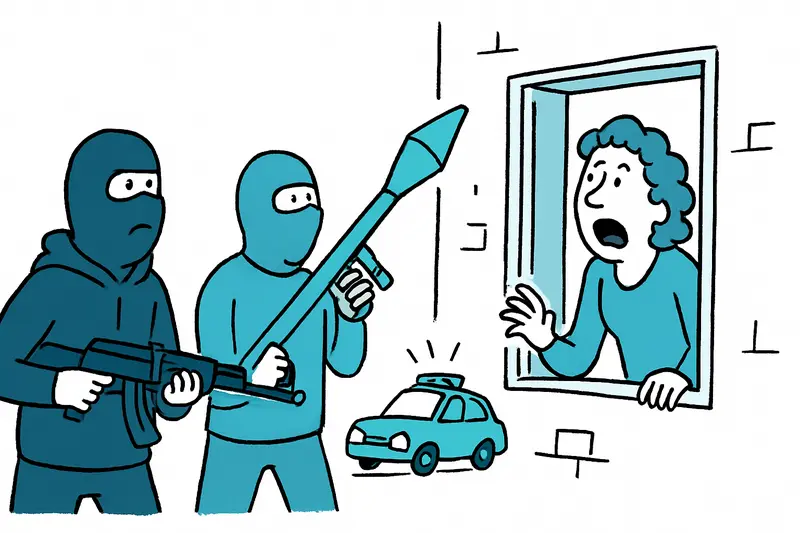
Masked Images, Real Panic: When Social Media Aesthetics Alarm Neighbors
Five German content creators filmed on a recently vacated detention site using deceptively realistic props. The result: ...
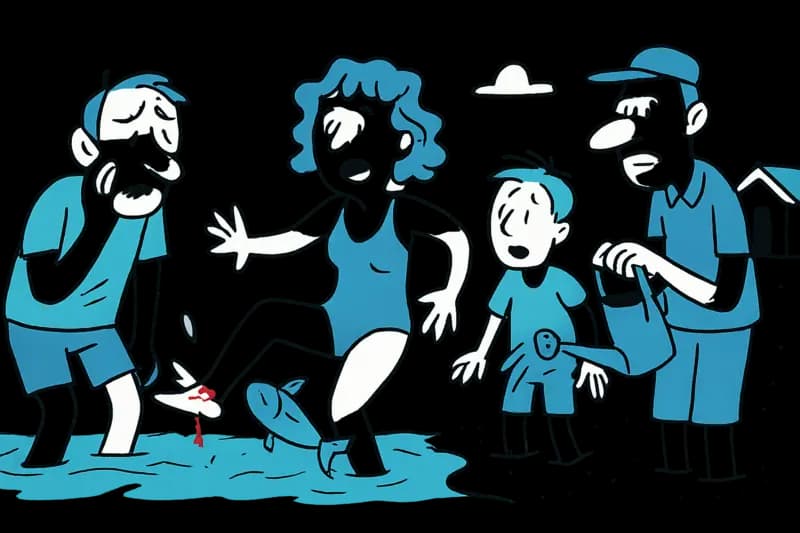
Why the Striped Breams in Cala Pí Should Be a Wake-up Call
Once again bathers in Cala Pí were surrounded while swimming by small, nippy fish — some wounds bled. Time for clear rul...

Daily from New York: How Palma's Air Traffic Is Growing — and What Must Change
United will increase the Newark–Palma service to daily flights in 2027 (Boeing, 231 seats). Strong tourist numbers clash...

When Love Ends in Shards: Destruction in Son Vida and the Questions That Remain
In Son Vida a relationship dispute escalated: a woman destroyed furniture in a luxury villa, later pressed a panic butto...

Who Bears the Burden? Mallorca Between Tenant Protection and Landlord Fears
Madrid's new housing decrees strengthen tenant rights — but on Mallorca concern is growing: will the law drive small lan...
More to explore
Discover more interesting content

Can Cap de Bou

Townhouse Lleo 72
