
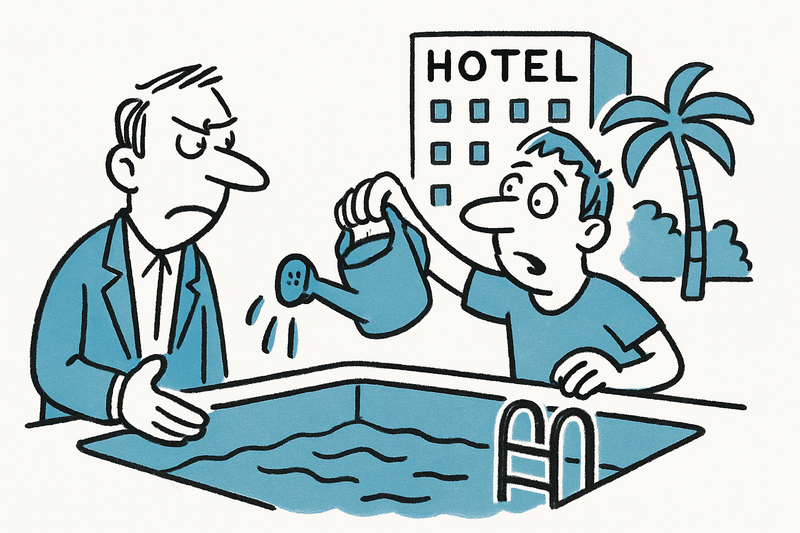
Water scarcity in Mallorca: Why hotels must now take responsibility
The ongoing drought is making Mallorca thirsty. Hotels are in the spotlight: pools, gardens and frequent showerers drive consumption — but there are concrete levers to save water. How quickly will the industry and politicians act?
The island on the drip: A pressing guiding question
The heat hangs heavy over Mallorca, cicadas start chirping early in the morning, and in some places the air smells of dusty earth instead of the sea. Amid this summer of drought a simple but urgent question turns to all of us: How much water can Mallorca still allow for tourism without endangering the island's means of subsistence?
Hotels in the spotlight — not just because of the pools
Criticism of the hotel sector is not new, but the numbers sharpen the perspective: guests in upscale establishments consume significantly more water than locals. Behind the lavish green areas and the daily-refilled pools lies a consumption that on hot days acts like an extra water pipe to the coast. The whirring of pumps at the beach, the rushing of pool filters in Port d’Andratx — sounds that now also get associated with resource use, as reported in When the Tap Runs Scarcer: Mallorca Between a Tourism Boom and a Dwindling Water Source. Hoteliers in places like Sóller have even demanded stricter controls, noted in Sóller in Water Shortage: Hoteliers Demand Stricter Controls.
More than visible waste
Much of what saves water is banal and unspectacular: water-saving fittings, efficient showers, toilets with low flush volumes. Equally important, however, are systems you do not immediately see: leak detection, pressure adjustment in pipes, rainwater cisterns and the use of treated wastewater. This technology saves far more than just the last shower — it changes infrastructure.
Why are the big steps missing?
Many hoteliers hesitate because investments are required and returns are often long-term. Added to this is a regulatory environment that does not provide strong enough incentives: water prices that do not reflect true scarcity costs, no obligation to reuse at facility level and fragmented responsibilities between municipalities, the Consell de Mallorca and private operators. In short: those looking at short-term profit often opt for quick fixes instead of preserving resources; this fragmentation is reflected in cases where Water alarm in Mallorca: Seven municipalities turn off the tap — is saving alone enough?
Corona as a natural experiment
The figures from the pandemic period act like a warning sign: without tourists the island's consumption fell significantly — a hint at how massively tourism influences the balance. The surprising disappearance of tour buses and the idling of many hotel pumps brought concrete relief to water sources, but that memory fades again with the first summer highs; local measures during acute shortages are described in Sóller turns off the tap: Showers off, pools forbidden — how the town is dealing with drought.
Underestimated areas: agriculture, seasonality, supply
Not only hotels suck up water: seasonally required housing for seasonal workers, irrigated golf courses and private fincas add up. The irrigated agricultural area has indeed decreased, but part of the irrigation was compensated for by new forms of use. What is rarely discussed: the water supply for seasonal workers and the temporarily erected accommodations — these are hidden consumers too.
Concrete levers — quick and long-term
There are practical measures that show immediate effect and pay off in the medium term:
Technology and management: pressure management in networks, early leak detection and regular audits reduce losses. Rainwater cisterns and greywater recycling for toilets and garden irrigation are comparatively inexpensive building blocks. Where energy is available, desalination with renewable energy can help locally — but it is expensive and not the first option.
Economic incentives: tiered pricing that hits hotels harder when they exceed consumption limits, combined grants for retrofits and tax depreciation could accelerate investments. A small eco-levy on guests, earmarked for water projects, would be politically feasible and socially moderate.
Regulation and transparency: water audits as a condition for operating permits, mandatory reporting of consumption data and a visible label for water-friendly hotels would let the market speak. The public sector would need to set clear targets and link land-use plans with water balances.
The role of guests — an underestimated lever
The question of whether vacationers should forgo a little comfort is often morally charged, but pragmatically solvable: information campaigns at reception, visible water-saving notices in bathrooms, incentives for guests to request less laundry — all of this leads to behavior change without major loss of comfort. A glass of local wine on the hotel terrace does not lose its shine if towels hang for two days longer.
Keeping the balance — and being honest about it
Mallorca is at a point where PR alone is not enough. It is about real, structural changes: better price signals, mandatory technical upgrades, promoting closed water cycles and more transparency towards guests and residents. If the island wants to continue growing, it must learn to do better with less — and hotels are neither sole villains nor innocent victims, but part of the solution.
The cicadas will keep singing, the sun remains merciless — but the way we distribute and use water can change. The question is not whether it is possible, but whether the industry and politicians have the courage to make the right decisions now.
Frequently asked questions
Why is water scarcity in Mallorca such a serious issue in summer?
Do hotels in Mallorca use more water than local residents?
What water-saving measures can hotels in Mallorca actually use?
Why are some Mallorca hotels slow to invest in water-saving upgrades?
How did tourism affect Mallorca’s water consumption during the pandemic?
What role do guests play in saving water at Mallorca hotels?
Is water scarcity affecting places like Sóller in Mallorca?
What long-term changes could help Mallorca manage water better?
Similar News

Maribel: Five Decades of Service – Housekeeper from Peguera Celebrated with a Special Honor
Over 50 years in the hotel business: María Isabel “Maribel” Molinos was honored in Palma at the Nit del Turisme by Unive...
Orange Alert over Parts of Mallorca: Are We Prepared?
Dark clouds and an announced wet spell have triggered an Orange alert in parts of Mallorca. A reality check: what's miss...

Sundair & Co.: Sale speculation and what it could mean for Mallorca
Rumors about a possible sale of the airlines Sundair and Fly Air 41, which belong to Schauinsland-Reisen — and whether b...
Anne Wünsche in Mallorca: A job offer with a catch — who fits the role of personal assistant?
Influencer Anne Wünsche has left Berlin and is urgently looking for a full-time personal assistant in Mallorca. Why the ...

Daily from New York: Palma Between Boom and Strain
United will increase the Newark–Palma route to daily flights in 2027 using Boeing aircraft (231 seats). What does the in...
More to explore
Discover more interesting content

Can Cap de Bou

Townhouse Lleo 72
