
Sóller Turns Off the Tap: Pools Closed, Strict Water Restrictions
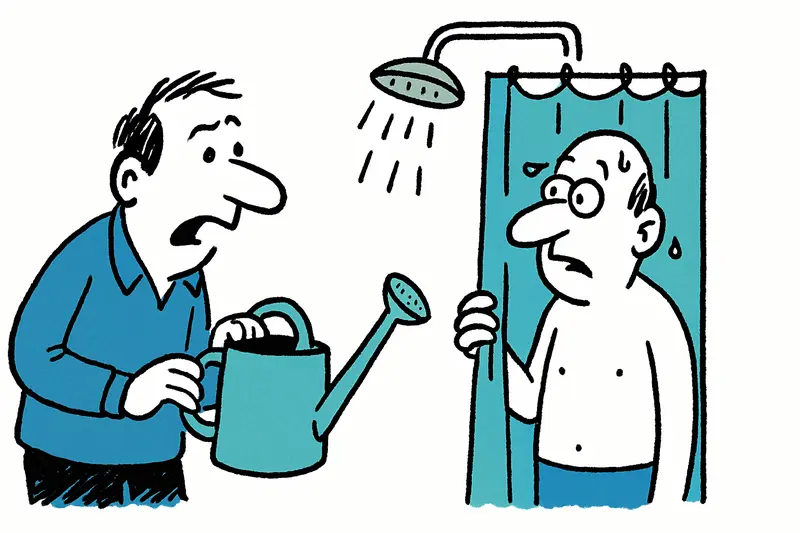
The municipality of Sóller has imposed extensive water-saving rules: public swimming pools and beach showers remain closed, garden irrigation and pool refills are prohibited. Why the measures are necessary — and how the island community can become more resilient now.
Sóller Turns Off the Tap: Precautions in the Valley of Oranges
On Friday evening the heat lay like a warm carpet over the Plaça, market women were calling out, somewhere a cup tinkled in the café bar — and yet the mood was noticeably more serious. The municipality of Sóller has passed an ordinance that foresees extensive restrictions on drinking water; local coverage is available at Sóller turns off the tap: Showers off, pools forbidden — how the town is dealing with drought. Private pools may no longer be filled with tap water, gardens should no longer be sprayed with municipal water, and car washes are affected. And: the two swimming pools in the Son Angelats sports center will remain closed for the time being, as will the beach showers.
The Question Behind It All
The central question is simple and urgent: How do we secure hygiene and drinking water supply in Sóller when reserves become scarcer? Meteorologists had reported a wet spring, but the reservoirs and spring inflows are not keeping up. Experts point to longer dry spells in parts of the Tramuntana and to increased consumption during the season by visitors — a factor that is often underplayed in public debates; regional context is covered by When the Tap Becomes a Luxury: Seven Municipalities Tighten Water Rules in Mallorca.
At the market a baker who has been selling her almond croissants on Fridays for three decades told me: "You have to think more." That is not just a sentence about water. It is a sentence about habits, about weekends with full cafés, about private pools that until recently were taken for granted.
Why These Measures Now — and Are They Sufficient?
The measures are precautionary and yet deeper than many had expected. Sóller remembers the tight situation more than twenty years ago; in 2022 they nearly managed without bans. This time the authorities were clearer: priority for drinking and household use, restrictions on leisure consumption. Controls and fines have been announced, as reported in Sóller endurece el uso del agua: duchas de playa apagadas y piscinas prohibidas. That has two sides: on the one hand it quickly relieves the networks. On the other hand, the question remains how sustainable such bans are if visitor numbers and climate pressure continue to rise.
Often little discussed is the role of small leaks in the municipal infrastructure or the so far sporadic use of greywater in households. Also the pressure from ad hoc users — for example garden sprinkler systems brought into holiday homes — is a problem that is difficult to capture but can consume a lot of water.
What This Means in Practice for Locals and Visitors
The usual sounds in Sóller now sound a bit different: less the rustle of garden sprayers, less the hissing of fountains, instead the clack of buckets and conversations about helping neighbours. Hotels have been asked to install water-saving technology and to proactively inform guests; local reporting on the closures and measures can be read at Sóller limita drásticamente el consumo de agua: piscinas y duchas cerradas. Bars and small shops in the alleys water their plants less frequently.
For many residents it is unusual not to water the lawn or to refill a private paddling pool. A pensioner at the newsstand summed it up dryly: "No luxury in dry times." And yet social tensions threaten if penalties are imposed or commercial enterprises continue to consume large amounts of water.
Critical View: What Is Missing from the Debate
Too often public attention focuses on short-term bans. Less noticed are long-term measures: investment in leak detection and repair, expansion of rainwater harvesting systems, stronger promotion of greywater systems in hotels and private households, and smarter pricing that rewards frugal consumption. Better coordination with neighbouring municipalities in the Tramuntana and a common strategy against seasonal consumption peaks are also rarely discussed — but crucial.
Another rarely mentioned point is the balance between tourist comfort and local supply. If private pools and intensive garden sprinkling continue to be considered normal, the entire community is burdened. Transparent rules and social compensation mechanisms are needed here.
Solutions and Opportunities for Sóller
There are concrete, immediately implementable steps that not only save but also build resilience:
- Promote rainwater harvesting: Roof areas on hotels and residential buildings could quickly provide water for toilet flushing and garden use.
- Greywater recycling: Treating washing and shower water appropriately for irrigation use.
- Smart meters and flexible tariffs: Make consumption visible, charge more at peak times, reward saving behaviour.
- Public communication and neighbourhood networks: Volunteer water stewards, clear tips on saving, exchange on alternative measures.
- Short-term technical measures: Leak detection in pipes, shutting down non-essential wells, prioritized supply for hospitals and schools.
These measures take time and money — but they are more sustainable than bans alone. And they create local jobs: technicians, consultants, craftsmen who install rainwater and greywater systems. A deceptive silver lining, but one that creates real added value.
A Call to the Neighbourhood
For the coming weeks, the message in Sóller is: less spraying, more neighbourly help. Maybe also a bit of pride in conserving resources together. The church bells, the chirping of cicadas and the conversations on the Plaça will remain. Only the water will be scarcer. Those who change their habits now help not only their own household but the whole valley of oranges.
I will continue to monitor the reservoir data — and the small, quiet decisions of people in the alleys: who still waters, who refills, who saves. In the end this is the true test for Sóller: not only the ordinance on paper but the everyday behaviour lived out.
Frequently asked questions
Why has Sóller introduced strict water restrictions?
Can private pools still be filled in Sóller?
Are the beach showers in Sóller open?
What should visitors to Sóller expect during the water restrictions?
Is it still allowed to water gardens in Sóller?
How long will the water restrictions in Sóller last?
What can households in Sóller do to save water now?
Is this the first time Sóller has faced water shortages?
Similar News
First Day, First Consequences: What Palma's Rent Freeze Really Means
A new decree stops a planned eviction in Palma — but what really changes for tenants and landlords? A reality check with...

When Housing Becomes a Matter of Survival: Mallorca Between Rental Frenzy and Everyday Life
The case of 87-year-old Maricarmen showed that on Mallorca many people's lives are poised between affordable and uninhab...
Autumn in Mallorca: When Melancholy Gets a Window
Why autumn quietly tightens here — and how to make use of the mood: walks, culture, candles and the light from Palma to ...

Near-miss on Lanzarote: Landing Ryanair Jet and Iberia Takeoff — what really went wrong
On Lanzarote there was a dangerous incident: A Ryanair flight (FR5910) from Dublin landed on runway 03 while an Iberia E...

Eurowings introduces new Premium Business seats on Mallorca routes
From December 1, selected Eurowings flights to Palma and other destinations will feature eight particularly generous sea...
More to explore
Discover more interesting content

Can Cap de Bou

Townhouse Lleo 72
