
Alone on Holiday: How the "Solomoon" Is Changing Relationships in Mallorca
Alone on Holiday: How the "Solomoon" Is Changing Relationships in Mallorca
More and more people consciously spend the main holidays without their partner. A reality check from Palma: Who benefits, what risks lie behind it and what is missing in the debate?
Alone on Holiday: How the "Solomoon" Is Changing Relationships in Mallorca
A reality check between the sounds of the Paseo and package deals
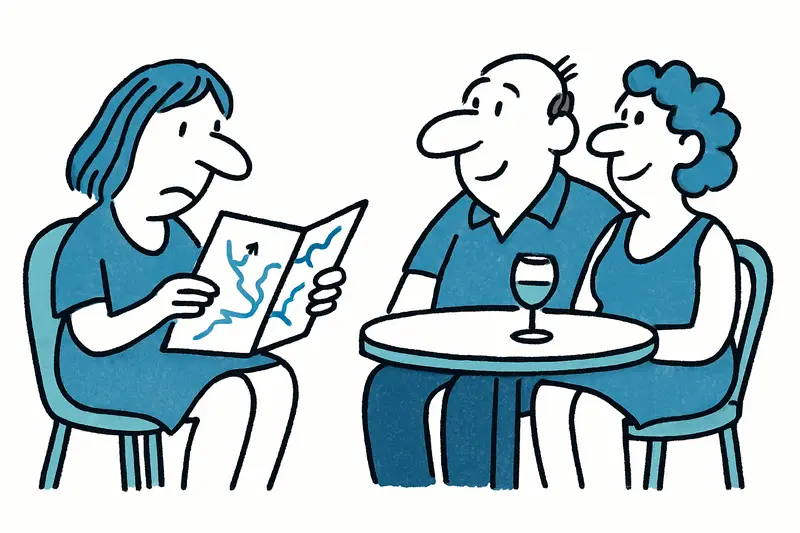
Key question: Is the Solomoon — the intentional big trip without a partner — a modern gesture of freedom or merely a way to hide from relationship issues? On Mallorca, where the Line 1 bus chugs through Palma and delivery vehicles jockey for space on Passeig Mallorca, the phenomenon is easy to observe: solo travelers look at maps at the café tables of Plaça Major, note routes for the Serra de Tramuntana, or search for a small finca away from the large hotels.
Critical analysis: At first glance we see self-determination and variety. Solo travelers sit with a glass of white wine by the sea, stroll through the Mercado de l’Olivar, and enjoy more spontaneity. But there are cracks beneath the surface. Not every trip taken alone is a conscious experiment for the relationship. Sometimes it is the result of differing holiday preferences; often it stems from lack of time, family obligations, or simply financial reasons. In other cases the solomoon decision becomes a symptom: lack of communication, underlying frustration, or the reluctance to confront conflicts directly.
What is missing in the public discussion: hard numbers and a gender perspective. Who travels alone more often — men or women? What role do income, age and marital status play? The debate too often remains at the level of personal anecdotes. The economic side is also missing: how do travel providers react, how does demand change for single rooms, single-room supplements or activities for solo guests? On Mallorca this would matter for travel agencies on Avinguda Jaume III as much as for small hoteliers in Port de Sóller; this dynamic is explored in Hotels Full, Streets Empty: Mallorca's Strange Summer Stroll and the local response is discussed in Sóller between Boycott and Daily Life: How a Community Masters the Balancing Act.
Everyday scene: One morning in Cala Major a woman in her mid-forties sits on the wall, struggles with a map, makes a short call to her family and smiles as she points a young cyclist in the right direction. Next to her an older couple lie quietly in the sun. Such scenes show: the solomoon can be liberating, but it can also require accompaniment through public spaces — from safe transport to the opportunity to join group activities.
Concrete risks that often get overlooked: unequal power relations in the decision (who "is allowed" to go alone?), lack of agreement on financial matters, and the danger that traveling alone serves as an escape to avoid unpleasant conversations. Safety aspects should not be underestimated either, especially when solo travelers walk back at night or visit remote coves. The challenges of night-time tourism are examined in In the Rhythm of the Night: Who Really Benefits from Mallorca's Tourism?.
Concrete solutions: Couples could make clear agreements before the solomoon — duration, frequency of contact, handling of shared expenses. A small set of rules, noted on the phone or in an email, creates clarity: who pays for what, how is the return journey arranged, which experiences will be shared? At the municipal level, tourism promotion could address solo travelers more specifically: single rooms without disproportionate surcharges, safe night connections during the summer months and more group offerings in small villages. Counseling centers and couple therapists on the island should also put the topic on the agenda and offer couples tools for preparation.
What the local community can contribute: neighborhood projects in places like Sóller or Alcúdia could offer solo meetups and cultural programs. Hotels could provide information sheets for solo travelers — with safety tips, recommended routes and contacts for guided activities. Changes to beach businesses and sunbed rentals are part of the broader economic shifts described in Empty Sun Umbrellas, Full Shopping Bags: Why Mallorca's Beach Economy Is Faltering. Travel insurers should communicate more clearly which risks are covered; that protects both the individual and the partner who stays at home.
Pointed conclusion: The solomoon is neither inherently good nor bad. It works well when it is chosen consciously and openly discussed. It becomes problematic when it turns into an avoidance strategy. For Mallorca this means: more transparency, more offers for solo travelers and above all more conversations within households — not just on the sun terrace, but also at the kitchen table, where real agreements are made. In the end the question remains: Do we want separate holidays in a relationship as a luxury of freedom or as an escape from the conversation about what is truly missing?
Frequently asked questions
What does a solomoon mean for couples in Mallorca?
Is it normal to travel alone while in a relationship?
Why do some people choose a solo holiday in Mallorca instead of travelling as a couple?
What should couples discuss before one partner goes on a solomoon?
Is Mallorca a good destination for solo travellers?
Where do solo travellers tend to spend time in Palma de Mallorca?
Is it safe to travel alone in Mallorca at night?
What practical support do solo travellers need in Mallorca?
Similar News

When the Wallet Becomes a Danger: Attack in Peguera and Lessons for Mallorca
In Peguera, two women are said to have stolen the wallet from a 75-year-old German couple. When the victim intervened, t...
Plata stays Plata: Young people take over, Llonguets remain
A small bar on Carrer de l'Argenteria will continue: Tolo Serra hands the place over to young Mallorcans at the end of t...
Unnoticed in the Luggage Compartment: How a Boy Traveled More Than 100 Kilometers in a Team Bus
A minor traveled in the undercarriage of a team bus for more than 100 kilometers until his cries for help were heard. A ...

Cap Vermell Grand: Second Michelin Key – a Gift for the East
The Cap Vermell Grand in Capdepera has been awarded its second Michelin key. For the region this elevates the luxury off...
Eurowings lets four aircraft carry names – a friendly idea that also reaches Mallorca
Eurowings is launching a campaign: four Airbus A320s are to carry the first names of people who help others in everyday ...
More to explore
Discover more interesting content

Can Cap de Bou

Townhouse Lleo 72
