
Fire in Magaluf: Why the early-morning catastrophe raises questions
Fire in Magaluf: Why the early-morning catastrophe raises questions
A fire in an apartment complex in Magaluf killed two people and injured more than 20. Initial signs point to a short-circuit in a refrigerator; Calvià declared two days of mourning. A reality check: what is missing in the protection of residents and guests?
Fire in Magaluf: Suspected short-circuit — and many unanswered questions
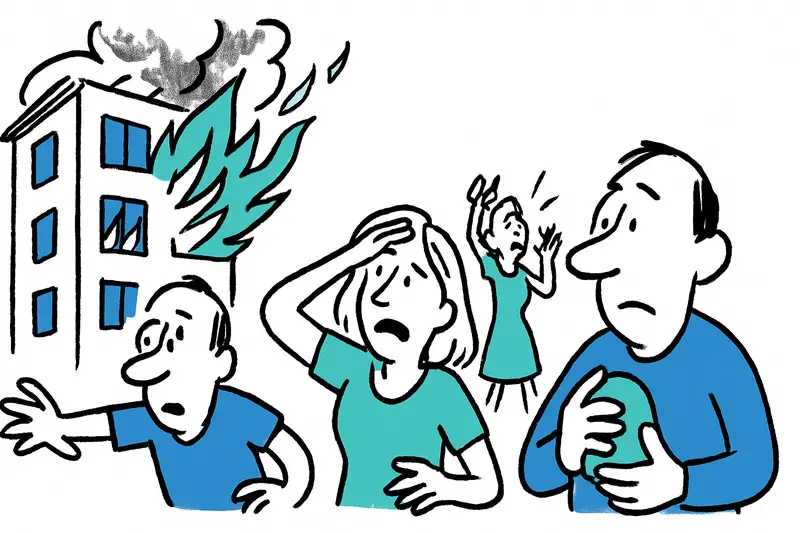
In the early hours of a Monday morning a fire broke out in a multi-storey apartment complex on the coast of Magaluf. According to available information, a woman and a 58-year-old man from Argentina died; more than 20 people were injured, some severely, and several were taken to hospital with smoke inhalation. Firefighting operations were hampered by dense smoke. The municipality of Calvià declared two days of mourning; the Mallorca Live Festival is still scheduled to take place. Initial suspicions point to a short-circuit in a refrigerator as the cause.
Key question
Why are current practices for electrical appliances, apartment inspections and emergency planning insufficient to prevent such incidents or to significantly reduce the number of victims?
Critical analysis
An alleged short-circuit in a refrigerator sounds technically plausible, but the question is: how could a problem in a single device escalate so quickly into a lethal event? Between suspicion and prevention lie several gaps. Many apartment complexes in popular coastal areas consist of older buildings with outdated electrical installations. Short-circuits in household appliances are not uncommon, yet smoke detectors, surge protection and regular inspections can greatly reduce the risk, as highlighted by NFPA guidance on smoke alarms. Added to this is the use of units as holiday rentals or short-term lets: residents change frequently, and emergency instructions or routine maintenance can easily be neglected.
Reports also show that heavy smoke made the work of the emergency services more difficult. In narrow stairwells, with corridors filled with smoke and possible blockages from furniture, evacuation times increase dramatically. If escape routes are not clearly marked or doors are not fire-resistant, the dangers for all occupants—visitors and permanent residents alike—rise significantly (see Fire in Port d'Alcúdia: Why the big scare is also a wake-up call for fire safety).
What is often missing from public debate
Attention quickly focuses on cause and victims—and that is understandable. But structural issues are rarely discussed: landlords' obligations for short-term rentals, the frequency of official inspections, technical minimum standards for electrical systems and the quality of fire safety training for staff in hotels and apartment complexes. There is also little debate about whether tourists are given sufficient multilingual information on how to act in the event of a fire (see Fire in hotel at Playa de Palmanova: Evacuation, no injuries — and unanswered questions).
An everyday scene from Magaluf
In the early morning a cleaner on a side street near Platja de Magaluf is still vacuuming sand from the sunbeds, a delivery van honks, seagulls scream. Then the sirens: blue lights along the promenade, firefighters in yellow helmets, neighbours standing at the fence with blankets and wet towels. In such moments the vulnerability of daily life here becomes clear—between tourist flows, bar activity and sleeping guests in apartments.
Concrete solutions
- Mandatory functioning smoke detectors in all dwelling units and corridors, combined with regular inspections by the municipality or certified electricians.
- Mandatory inspections of electrical installations for rental properties every few years; more frequent checks for older buildings (see Fire at Hotel near Cala San Vicente: A Wake-up Call for Fire Safety in the Off-Season).
- Installation requirements: residual-current devices (RCDs) and surge protection in fuse boxes as standard, and safe sockets in kitchen areas, supported by RCD guidance from Electrical Safety First.
- Clear rules for short-term rentals: fire safety notices in several languages, evacuation plans visible on the entrance door, unobstructed escape routes.
- Training and drills for staff of apartment complexes and neighbouring businesses; regular fire drills, including outside the high season.
- Improved communication between emergency services and municipalities: faster traffic release for emergency vehicles, clearer marking of hydrants and access points.
- Public information campaigns: local initiatives explaining simple measures (e.g. keep escape routes clear, no flammable items in corridors, safe charging practices for devices).
Why this matters for Mallorca
Mallorca lives off tourism and coastal living. The balance between the economic use of property and the safety of people must not be lost. Every fire disaster affects not only those directly involved but also neighbourhoods, employees in hospitality and tourism, and the island's sense of security.
Key takeaway
The suspected fridge short-circuit may have triggered the blaze, but it was not simply an inevitable accident. It is a call to see fire safety not as a tedious obligation but as everyday care. Two days of mourning in Calvià mark the grief; effective prevention would reduce the risk of such a toll recurring. When the sirens sound again tomorrow, we should not only react—we should prevent.
Frequently asked questions
What caused the fire in Magaluf?
How common are apartment fires in Mallorca holiday rentals?
What should tourists in Mallorca do if there is a fire in their apartment?
Why is smoke so dangerous in a Mallorca apartment fire?
What fire safety rules should Mallorca holiday apartments have?
Why did Calvià declare mourning after the Magaluf fire?
Is the Mallorca Live Festival still going ahead after the Magaluf fire?
What can older apartment buildings in Mallorca do to reduce fire risk?
Similar News
Heat and Power: Why the Balearic Islands Are Sweating Now — a Reality Check
Weeks of heat waves, rising cooling demand and suddenly flickering lights: Mallorca, Ibiza and Formentera have seen an i...
When the Water Taps Run Dry: Why Tankers Are Not the Solution
In villages like Deià, Valldemossa or on Menorca, municipalities are limiting water use because of drought. Who decides,...
Ryanair Flight Diverted to Barcelona: An In-Flight Emergency and the Questions That Follow
A Ryanair jet from Pisa to Málaga landed in Barcelona after a passenger became acutely ill. Why these cases need more at...
Alarm in Port de Pollença: What now for the polluted bay?
Hundreds of people protested on the beach of Port de Pollença. The environmental organization Arrels Marines demands a p...

Micaela Schäfer: Between Playa de Palma and a Berlin Law Firm — New Calm, an Old Tomcat and Solid Finances
The party artist from the Ballermann scene appears surprisingly down-to-earth: a new relationship with a Berlin lawyer, ...
More to explore
Discover more interesting content

Boat Tour with BBQ along Es Trenc Beach
Private transfer from Mallorca Airport (PMI) to Pollensa
