
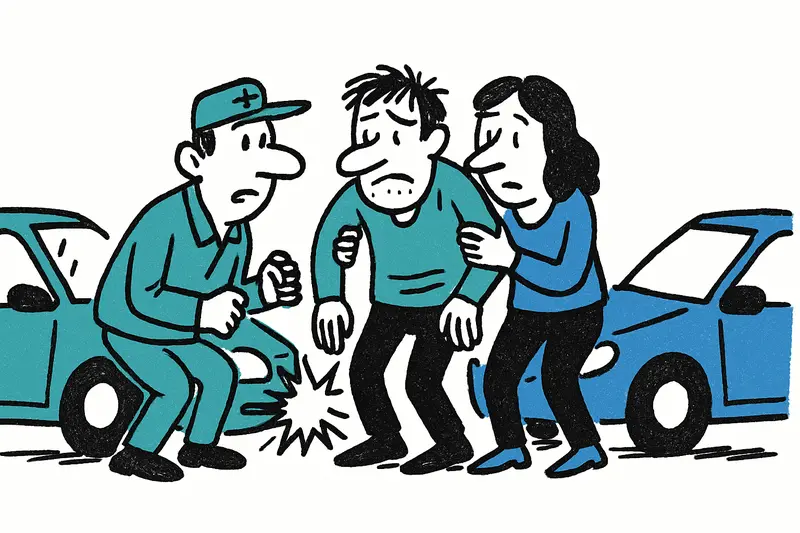
Head-on crash near Andratx: Three injured on the MA-1 — alcohol test positive
On the MA-1 near Andratx two vehicles collided head-on; three young people were injured. An alcohol test also indicated impairment for one driver. What went wrong — and how can it be prevented?
Head-on crash on the MA-1 near Andratx: three injured, road closed
Early on Saturday morning, as the sun was just rising behind the mountains of Andratx and the air was still cool and slightly misty, a collision occurred on the MA-1 between Andratx and the La Romana tunnel: a Renault Clio and a Kia Sportage collided head-on. Three young occupants were injured, a fourth apparently escaped with a shock. The vehicles were so badly damaged that they had to be towed and the carriageway in front of the tunnel was temporarily completely closed.
Emergency services, condition, initial observations
Firefighters, ambulance crews and the Guardia Civil were quickly on the scene. Between the sound of sirens and the scent of freshly baked croissants from the bakery near the tunnel entrance, rescuers worked methodically. The emergency doctor later reported that the injured were in stable condition; no life-threatening injuries are known at this time. Those affected were distributed among several hospitals on the island.
What stands out from initial investigations
According to the police, the Renault apparently crossed into the oncoming lane and struck the Kia head-on. An alcohol test at the scene showed indications of alcohol influence for one of the drivers. Further investigations are ongoing. Local residents reported dense morning air and patchy fog that could have impaired visibility; a baker recalled a loud bang and the rapid flashing of emergency vehicles. Small details that sometimes reveal more than official reports. For official meteorological alerts on fog and visibility that can affect roads, see AEMET weather warnings.
The key question: Why do such accidents happen here — despite straight stretches and seemingly good visibility?
Straight sections like the MA-1 can seem deceptively safe. Three factors often come together: fatigue in the early morning hours, alcohol, and a certain overconfidence on wide, straight stretches. Weather phenomena such as fog or moisture on the road can also increase braking distances. Alcohol apparently played a role in this accident — but the case is a good example that causes are rarely monocausal; similar incidents such as Serious Head-On Crash in Paguera: Why Does the MA-1 Remain So Dangerous? underline this complexity.
What is often overlooked: driving culture and the morning routine in Mallorca. Weekend nights are long in many places here, and those heading home in the early hours not only face fatigue but also limited public transport options. In addition, familiar routes encourage drivers to ignore warning signs. Visibility issues from temperature inversions or locally rising sea fog are also underestimated.
Critical analysis and so-far little considered aspects
The investigations by the Guardia Civil will clarify who made which mistakes. Before that, it is worth looking at structural points: How well is the MA-1 lit at this location? Are there enough reflective posts and warning signs before the tunnel? Do long straight stretches encourage higher speeds because controllers are rarely present? And: are alcohol-related drives at the weekend a social problem that local hospitality, transport policy and health services need to address together? Other nighttime head-on collisions, for example Head-on Crash near Alcúdia: One dead, four injured – Is the MA-3460 safe at night?, suggest that visibility, enforcement and road layout should be examined together.
A frequently missing element is preventive cooperation between the municipality, police and local businesses. A baker who hears sirens remains an eyewitness; what if local businesses were more involved in education and providing quick alternatives — for example voucher campaigns for taxis or shuttles during peak times?
Specifically: What could help now
On a practical level several measures could be considered: increased controls and flexible alcohol checkpoints on weekends (see DGT road safety advice on drink-driving), temporary speed adjustments in sections that are critical at certain times of day, more reflective markings and rumble strips before danger points, and better street lighting at tunnel approaches. Building a small rest or meeting area for commuters at entrances to the MA-1 could also help reduce exhaustion as a cause of accidents.
In prevention, cooperation would be useful: information campaigns in bars, hotels and with event organizers combined with attractive mobility offers for the return journey. The Guardia Civil could also combine visible checks with targeted speed measurements — not only as punishment, but as visible prevention. Past fatal incidents such as Head-on Crash near Manacor: Two Dead, Questions Remain highlight the stakes involved.
Outlook and hope
Investigations are ongoing, and we hope for a full recovery for the injured. At the same time, the accident should be a reason to rethink the balance between individual responsibility and structural measures. A single siren on a foggy morning may quickly fade, but lasting improvements can come from such accidents — if politics, police and the community do not only react, but work to prevent them.
The Guardia Civil continues to investigate. We will keep following the case and report new findings.
Frequently asked questions
What happened on the MA-1 near Andratx?
Was alcohol involved in the crash near Andratx?
How serious were the injuries in the Andratx road accident?
Why can the MA-1 near Andratx be dangerous in the early morning?
What should drivers do if there is fog on Mallorca roads?
What happens when the MA-1 is closed near Andratx?
How does the La Romana tunnel affect traffic near Andratx?
What can drivers do to reduce accident risk on Mallorca weekend nights?
Similar News
When Housing Becomes a Matter of Survival: Mallorca Between Rental Frenzy and Everyday Life
The case of 87-year-old Maricarmen showed that on Mallorca many people's lives are poised between affordable and uninhab...
Autumn in Mallorca: When Melancholy Gets a Window
Why autumn quietly tightens here — and how to make use of the mood: walks, culture, candles and the light from Palma to ...
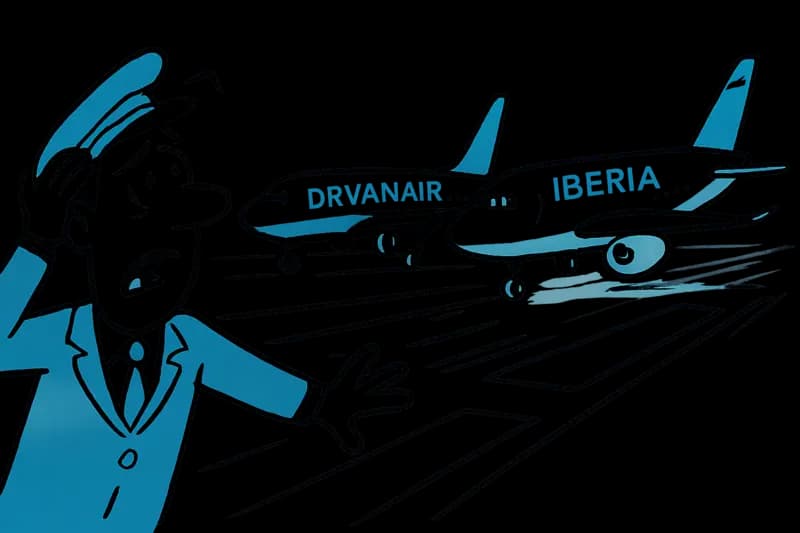
Near-miss on Lanzarote: Landing Ryanair Jet and Iberia Takeoff — what really went wrong
On Lanzarote there was a dangerous incident: A Ryanair flight (FR5910) from Dublin landed on runway 03 while an Iberia E...
Eurowings introduces new Premium Business seats on Mallorca routes
From December 1, selected Eurowings flights to Palma and other destinations will feature eight particularly generous sea...
Car on MA-13 near Inca in flames – a safety check for the island
A vehicle caught fire on the MA-13 towards Alcúdia on Tuesday afternoon. The driver was uninjured, the car was destroyed...
More to explore
Discover more interesting content

Can Cap de Bou

Townhouse Lleo 72
