

When Tourism Weighs More Than a Regional Budget: How Resilient Are the Balearic Islands?
When Tourism Weighs More Than a Regional Budget: How Resilient Are the Balearic Islands?
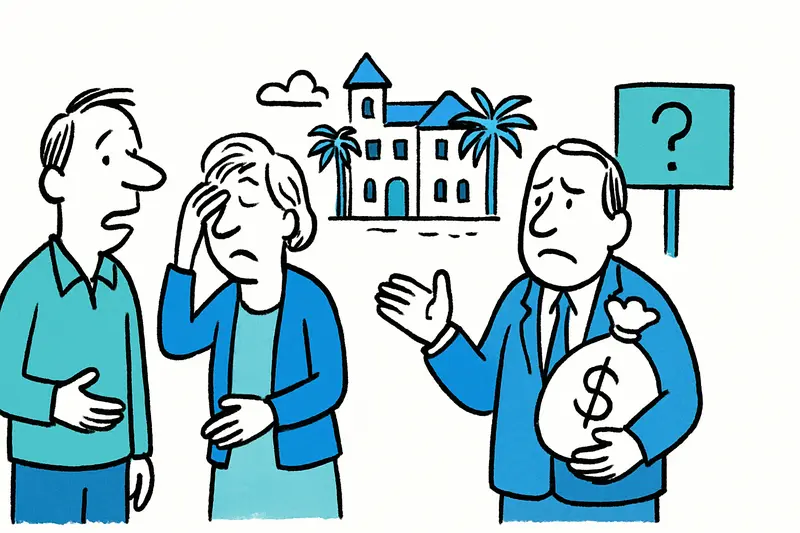
More than 19 million visitors and over €23 billion in revenue in 2025: Tourism on the Balearic Islands has reached a scale that surpasses the annual budget of a German federal state. Key question: How sustainable is this growth — and who really benefits?
When Tourism Weighs More Than a Regional Budget: How Resilient Are the Balearic Islands?
Key question: How sustainable is this growth — and who bears the risks if tourism suddenly slows down?
The raw numbers are hard to ignore: more than 19 million visitors in 2025 and tourist spending of over €23 billion, as noted in Balearic Islands on the Rise – More Visitors, Fewer Germans: How Mallorca Can Manage the Transition. This is no longer a local feel-good phenomenon; it's a macroeconomic figure comparable to the annual budget of a German federal state. On the streets of Palma, when the market women at Mercat de l’Olivar shift their crates and the bus from Passeig Mallorca honks by, you notice the success: full cafés, taxis with suitcases, restaurant staff catching short breaths between table turnovers. But sights and sounds alone don't tell the whole story.
Critical analysis
Those who read the data see two sides: revenues are huge, but distribution is unequal. Mallorca draws the lion's share of visitors, Menorca grows proportionally faster, Ibiza and Formentera remain moderate. Added is a structural change: the increase mainly comes from international visitors – especially from Germany and the United Kingdom, documented by More revenue, fewer Germans: Who really benefits from the Balearic boom? – while domestic traffic from the Spanish mainland has declined. More and more people book individually instead of as package tourists. In short: the business model is changing, and the pace is high.
Risks remain: too much concentration on single hotspots, dependence on a few origin countries, seasonal peaks that strain infrastructure and housing. If there is a weather-related poor winter, a crisis year in source markets, or another external shock, it hits a region that has built much more on tourism than on other economic pillars.
What is missing from the public discourse
There is much talk about visitor numbers and revenues, a point highlighted in Balearic Islands surpass 20-million mark: What the statistics hide. Rarely heard, however, is: How are these revenues distributed across wages, small businesses, landlords and public coffers? How much money leaves the islands through booking platforms, large hotel chains and luxury returns? And: what consequences does the influx of visitors have for affordable housing, traffic or drinking water in communities away from the beach hotspots? Another blind spot is the view of climate risks: storms, heatwaves or sea-level changes can quickly change the calculation.
An everyday scene from Palma
On a grey morning in January, when rain splashes make the cobblestones on Plaça d'Espanya shine, ferry staff stand at the port carrying suitcases. A baker on Calle Sant Miquel calmly cleans his windows while tourists in rain jackets photograph the cathedral outside. Such images show: it's not only the high season that matters. Operating costs run for 12 months, but revenues often do not.
Concrete solution approaches
1) Keep more revenue local: subsidy guidelines favoring small businesses, mandatory transparency on platform commissions, support for local value chains (food, crafts). 2) Diversify the economy: night- and culture-time offers outside the main season, promotion of research, attract digital nomads with rules for a fair housing market. 3) Infrastructure and planning: mandatory holiday-rental registers, stricter use controls in sensitive zones, investments in water and sewage systems, mirroring proposals in Balearic Islands Plan Visitor Limits: Between Everyday Life and Economic Interests. 4) Crisis resilience: building reserves in good years, insurance solutions for businesses against weather-related losses, expanding marketing in more stable source markets.
Punchy conclusion
The Balearic Islands earn impressively much money from tourism. That's a blessing, but also a responsibility. Those who move €23 billion in 12 months should not only count the revenues, but shape them: distribute them more fairly, make them more independent, invest in the islands so that the lively streets of Palma and the quiet lanes in Sóller still work when fewer suitcases roll through the alleys.
Frequently asked questions
How dependent is Mallorca on tourism?
What happens to Mallorca if fewer tourists come in one season?
Is Mallorca too reliant on visitors from Germany and the UK?
Why is affordable housing such a concern in Mallorca’s tourist areas?
What are the main tourism risks for the Balearic Islands?
How can Mallorca keep more tourism money in the local economy?
What role does Palma play in Mallorca’s tourism economy?
Can weather and climate affect tourism in Mallorca?
Similar News

More water than last year: Mallorca's reservoirs breathe easier
September rain refilled the Tramuntana's reserves: overall fill around 35 percent, Cúber at 40.42 percent, Gorg Blau at ...
Three Luxury Hotels in Banyalbufar: Lots of Money, Many Questions
A Danish investor plans three exclusive accommodations in Banyalbufar — including the historic Son Valentí. The announce...
2.1 tonnes of cocaine on sailing yacht off Spain's coast – a reality check for the coastguard
A 14-metre yacht was seized with 2.1 tonnes of cocaine. Who monitors the ports, how does the international hunt succeed ...

Heat Bonus in Mallorca: 100 Euros Extra for Outdoor Staff at MarSenses
MarSenses pays employees who worked outdoors in August an extra €100 as recognition. Lighter uniforms, reduced hours for...

Renovating in Mallorca: What You Really Can Do Without Neighbour Consent
Many think they can do whatever they want in their apartment. That's partly true — but only as long as structural elemen...
More to explore
Discover more interesting content

Can Cap de Bou

Townhouse Lleo 72
