
Poison from Technology: What the Pool Incident in Benahavís Should Tell Us
Poison from Technology: What the Pool Incident in Benahavís Should Tell Us
Around 60 holidaymakers were taken to hospital after a malfunction in the pool treatment system in Benahavís. Time for an assessment: Who controls chemicals and technology in hotel pools?
Poison from Technology: What the Pool Incident in Benahavís Should Tell Us
Around 60 holidaymakers had to receive medical treatment after a malfunction in the water treatment — a warning sign for operators and authorities
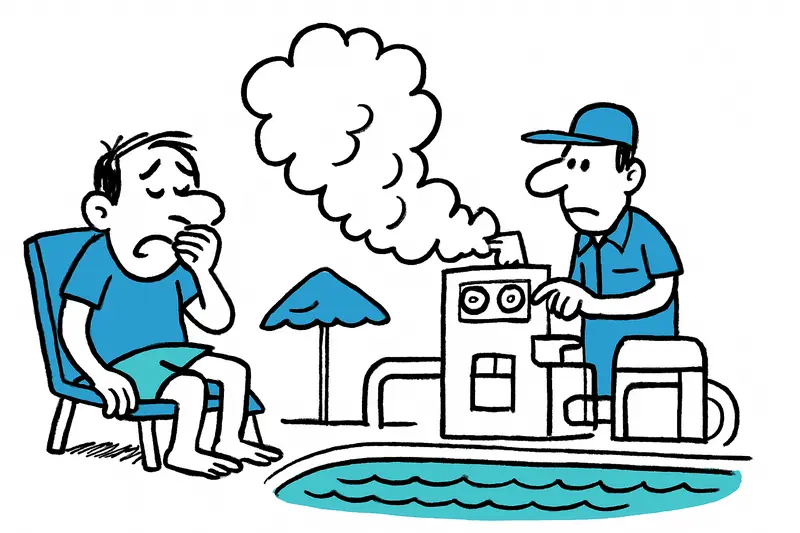
On the outskirts of Marbella, in the municipality of Benahavís, a hotel pool came into the spotlight this week: about sixty guests suddenly complained of irritation and breathing difficulties and were taken to hospitals. Among them were children and elderly people. All those affected have since been discharged. That is the sober situation — and it raises a simple but urgent question:
Key question: How safe are the technical systems behind the harmless picture of sun loungers and parasols, and who is responsible when chemicals are mixed incorrectly?
A look at the technology helps to understand: pools are not cleaned with buckets of chlorine, but via dosing pumps that add disinfectants and pH regulators in precisely measured amounts. If these pumps malfunction, clog or valves fail, highly concentrated substances can meet in places where they do not belong. Simple chemical reactions can produce caustic fumes or halogen-containing gases that attack eyes, airways and mucous membranes.
This is not a horror scenario that only occurs in laboratories — it has happened repeatedly. The Balearic Islands have seen a similar accident in the past with dozens affected; at that time a child was seriously injured. Such repetitions show: it is not only individual mistakes, but systemic weaknesses.
What is missing in the public debate? First: transparency. Hotel guests know little about the maintenance of their pools. Nobody reads the protocol of the last inspection at check-in. Second: inspections. Municipal health authorities do carry out spot checks, but the path to comprehensive verification of technical safety measures is long and bureaucratic. Third: staff training. In many establishments, changing cleaning staff take care of the pools without in-depth chemistry or technical knowledge.
In Mallorca, early in the morning at a hotel complex in Playa de Palma, you can see the problem with your own eyes: a cleaning specialist fills canisters, a gardener mows the lawn, families carry inflatable mattresses to the edge. Most guests pay attention to cocktails and parasols, not to dosing lines in the technical room. One wrong click on a control unit is enough, and the cheerful morning ends with coughing fits and sirens.
Concrete improvements are no rocket science, they require the courage to implement them: mandatory visible maintenance documentation in hotels, regular inspection intervals for dosing pumps with test protocols, compulsory training for pool staff, double safety valves and automatic shut-offs for pressure or flow anomalies. Portable gas detectors for chlorine gas and ammonia should become mandatory, as should a clear emergency protocol that informs guests immediately and enables quick evacuations.
Authorities are also called upon: shorter deadlines for inspections, standardized testing plans and a public register with inspection results would create pressure. Insurers could create incentives by offering premium discounts for certified maintenance systems.
Who is liable in the event of an accident? Legally, responsibilities lie with the operator, the maintenance company and possibly the equipment manufacturer. In practice, however, a game of passing the buck often develops until it is clear how the malfunction occurred. A mandatory reporting and documentation system would speed up clarification and provide affected people with legal certainty more quickly.
There are simple preventive steps for holidaymakers: keep your distance if unusual smells come from the technical room; inform staff; seek medical help immediately if you experience irritation or coughing. Hotels should actively inform their guests — not with legalistic phrases, but with clear notices at the pool bar.
Conclusion: The incident in Benahavís was not a natural event, but a problem of technology and organisation with human consequences. We should no longer dismiss the routine at the pool edges as a private feel-good program. Safety needs visible rules, regular checks and people who know what they are operating. Otherwise the next shock is only a matter of time.
Frequently asked questions
How safe are hotel pool water systems in Mallorca, and what can go wrong?
What signs indicate a maintenance issue at a Mallorca hotel pool?
What maintenance documentation should guests expect from Mallorca hotels about pools?
What safety measures should Mallorca hotels implement to reduce pool chemical risks?
How do pool inspections work in Mallorca and what improvements are proposed?
Who is liable for Mallorca pool incidents and how can guests pursue clarity?
If you experience irritation at a Mallorca pool, what steps should you take?
What practical steps can Mallorca resorts take to improve pool safety?
Similar News

Rental Car Theft in El Arenal: What This Incident Reveals About Our Gaps
A teenager steals a running rental car in El Arenal, flees on foot, climbs over walls and is caught by the Guardia Civil...
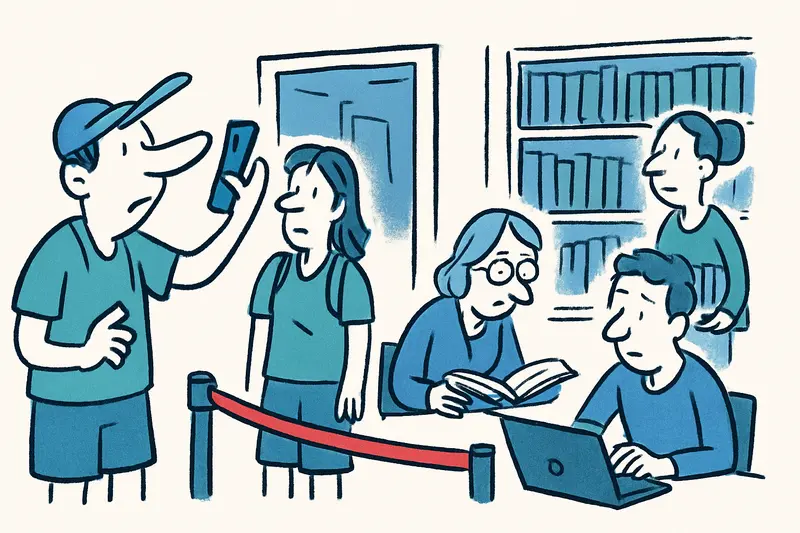
Red Rope in Palma's Library: What Helps Against Selfie Tourism — and What's Missing
Palma's city library cordoned off an area with a red rope to keep selfie tourism away from reading and working activitie...
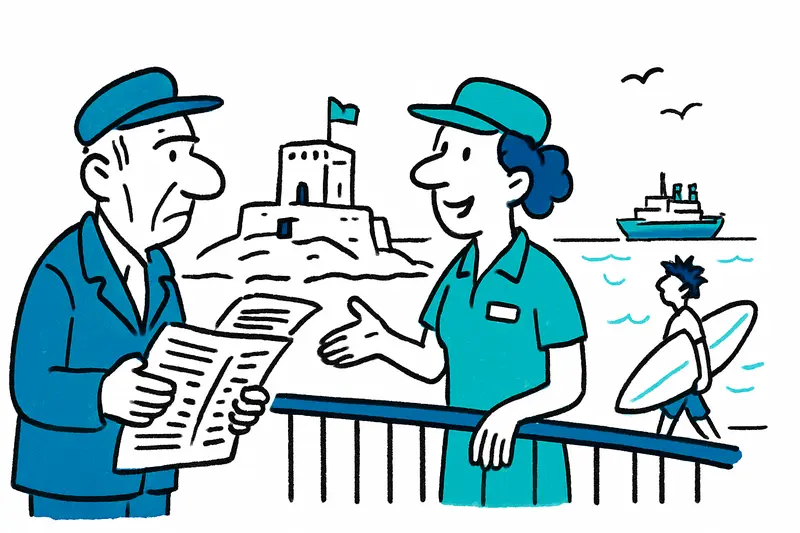
Fort San Carlos: Museum, Harbor Dispute — and a Conflict That Demands Answers
The military museum at Fort San Carlos sits right on Palma's harbor, with unexpectedly quiet rooms filled with cannons a...
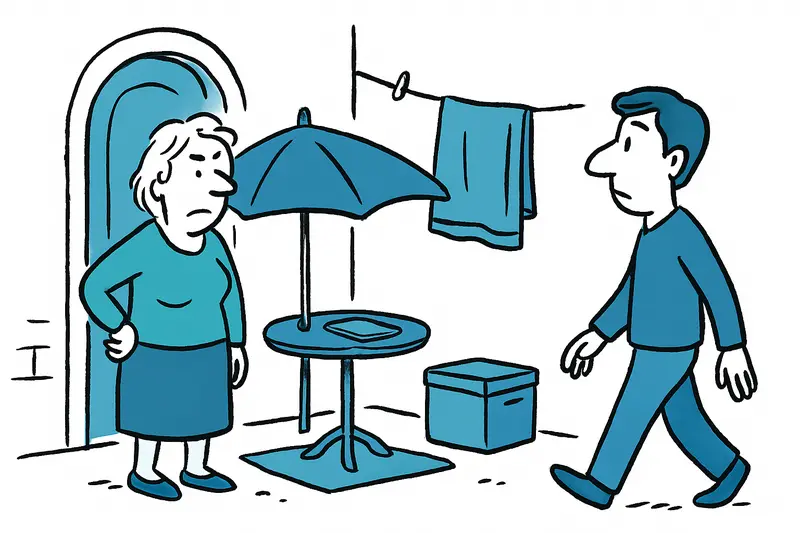
Old Town Under Pressure: When a Doorway Becomes a Sleeping and Shower Place
For months a woman has been living with a parasol, a clothes rack and personal belongings next to the social welfare off...
When Shopping Weighs Heavier: Mallorca Demands a Tax Pause on Food and Fuel
Rising prices are putting pressure on households and agriculture. The Balearic Islands are calling for temporary tax rel...
More to explore
Discover more interesting content

Can Cap de Bou

Townhouse Lleo 72
