
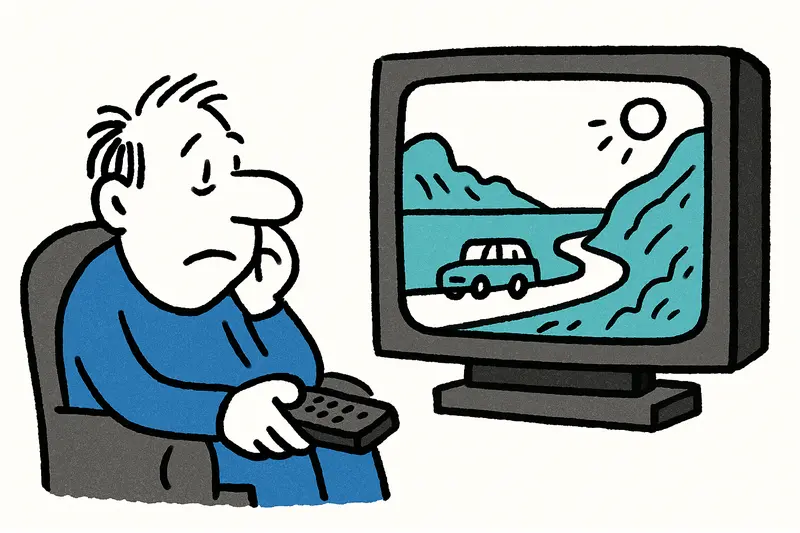
TV Tip: Ma-10 — A Drive along the Tramuntana
TV Tip: Ma-10 — A Drive along the Tramuntana
The Ma-10 is more than a road: it is a landscape full of stories. A 2021 documentary takes us along the winding Transversal — landscape, people, future.
TV Tip: Ma-10 — A Drive along the Tramuntana
One route, many stories: nature, crafts and the quiet question about the future
Monday morning, the sun glitters over the bay of Port d’Andratx, somewhere in Sóller a café is just opening and the scent of coffee mixes with the resin of the pine trees: for many, the Ma-10 does not start on the map but as a feeling. The coastal road runs along the foot of the Tramuntana, winds over steep slopes, skims cliffs and repeatedly reveals viewpoints that make you want to stop — even if that isn’t possible everywhere.
A television documentary from 2021 made this transversal its subject and shows how different life along this road is. Over roughly 140 kilometres the film meets people who work and live here: olive growers, researchers, birdwatchers. Local debates about cameras and enforcement are part of this conversation, as reported in Ma-10 sin cámaras: ¿Por qué dura tanto la espera en la Tramuntana?.
The appeal of the Ma-10 is not only in viewpoints like Puig Major or the wind-battered rocks at Cap de Formentor. It is the sideways glances: a wall shaped by hands for decades, a stone hut where olives are still pressed, or the winding roadside where motorcyclists seek the curves. You hear the engines, but also the clinking of goat bells, the roar of the sea and sometimes very softly the chirping of rare birds.
What the film shows is not a postcard idyll without questions. Concern repeatedly surfaces: How can we keep this narrow strip of nature free from damage caused by traffic, extreme weather and growing visitor numbers, as explored in Ma-10 hoy cerrada: entre la tradición y los problemas de tráfico en Sóller? The people in the film answer in different ways — through research, through traditional agriculture or through careful species observation. That is what makes the documentary interesting: it collects voices instead of presenting a one-size-fits-all solution.
For those of us on the island, this stretch of road is both everyday life and a treasure. On cold days I see the first guidebooks in Palma’s kiosks, and with them come the plans to drive the Ma-10; some plan their trip on two wheels and follow routes recommended by local riders, for example in Sol de la mañana y grava: mis rutas MTB favoritas por la Tramuntana. In summer the route hums with engines, in winter some sections are surprisingly empty and offer space to breathe. Both belong to Mallorca — and both require smart decisions from those who plan and protect.
Why is it good that such films are shown on television? Because they show the corner of the island that is often reserved for initiated guests or locals. They remind us that a landscape is not only beautiful but must be worked on to remain: olive groves need care, raptor nesting sites must be protected, and paths must be designed so they can accommodate visitors without being destroyed.
A small, very everyday glimpse: on a Friday afternoon in Banyalbufar a woman sits on a bench, wraps a cup of hot tea in her hands and greets passing cyclists. She knows every metre of the road, she knows where the almond trees bloom in spring and where the wind scatters the leaves in autumn. Such people are the true guardians of the Ma-10 — less loud than any campaign, but often more effective.
The documentary remains calm; it shows beauty and responsibility. For travellers it is an invitation: not just to speed through, but to stop, explore on foot, take a break at the local baker and engage in conversation. For the island it is a reminder that protection means work — technically, politically and in everyday life.
If you have time on Monday at 4 pm, tune in. And if you are lucky enough to drive the Ma-10 yourself: treat yourself to a stop in one of the villages, turn off the radio and listen to the sea. The road tells more if you listen to it.
And if you want a tip for further research afterwards: look at the places where researchers and ornithologists are active — you will often find small information boards or local initiatives there that explain to visitors how to behave respectfully. That way the Tramuntana remains not only a backdrop but a living part of our island.
Frequently asked questions
What is the Ma-10 in Mallorca and why do people talk about it so much?
Is the Ma-10 a good drive in Mallorca if I want scenery and viewpoints?
What should I know before driving the Ma-10 in Mallorca?
When is the best time to drive the Ma-10 in Mallorca?
Can you stop easily along the Ma-10 in Mallorca?
What can you see in Port d’Andratx when starting the Ma-10?
Why is Sóller often linked to the Ma-10 in Mallorca?
Are there local people and traditional activities along the Ma-10 in Mallorca?
Similar News

Are the Balearic Islands the Southern Border of Europe? A Reality Check on Immigration
The Balearic Islands are again calling for EU aid after a sharp rise in arrivals by sea. Conflicting priorities between ...

"Expensive chaos" and many open questions: What clients can do when a lawyer suddenly stops responding
Several clients complain that a well-known German lawyer in Mallorca has been unreachable for months. Key question: What...

TV tip: 'The Last Problem' — Mallorca as the setting of a classic crime
A classic whodunit on Mallorca: A new miniseries set in spring 1959 brings storm, an isolated hotel and a dense web of s...
Nipping Sea Creatures: Why Bathers in Cala Major and Elsewhere Should Be Cautious
In Cala Major, bathers have reported being nipped by small fish. What is behind it, how can problems be avoided — and wh...
Forced eviction in Santa Catalina: When a 65-year-old slept in her car and showered on the beach — a question of responsibility
The story of Pilar López from Santa Catalina represents a problem affecting many Mallorcans: How can an island with a bo...
More to explore
Discover more interesting content

Can Cap de Bou

Townhouse Lleo 72
