
Beach drama in Son Serra de Marina: Two vehicles stuck in the sand – costly and risky
A brief attempt to avoid a slipway ended Sunday morning in Son Serra de Marina with two vehicles stuck in the sand. Lots of laughter — and many questions about safety, the environment and proportionality.
What started as fun turned into a beach drama: What happened
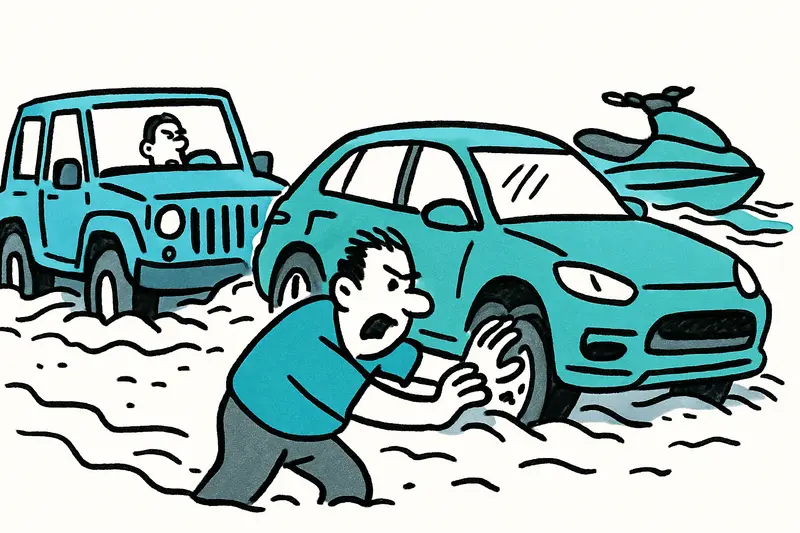
Sunday, half past nine: the bay of Son Serra de Marina rarely truly sleeps — the waves whisper, seagulls cry and the morning air is still bracingly salty. Right into this calm scene burst a small everyday comedy with a serious flip side. A man drove his Jeep up to the wet strip of sand to pull a jetski ashore. Shortly after, a large Porsche SUV joined him; both apparently hoped to finish faster together.
The plan failed. The damp, soft sand first swallowed the Jeep and then the Porsche. Strollers stopped, children pointed excitedly, and a woman with a shopping bag laughed: "You don't see that every day." For hours the drivers tried with shovels, sticks and muscle power to fix the situation. Only in the afternoon did a tow truck arrive and free both cars one after the other. No one was injured, but the fun cost time, nerves and likely more than the slipway fee at the harbor.
The key question: Why do people risk the beach and their vehicles for a few euros?
It sounds like a truism, but it's central: why isn't the slipway used? €30 for ramp use is a manageable amount for many — yet the decision to drive onto the beach shows that besides thrift, convenience, ignorance or misplaced pride are at play. The consequence: greater effort, possible vehicle damage, potential obstruction of rescue services and damage to the beach itself.
An analytical view: More than just a funny picture
At first glance a bit of local color for the market coffee chat, on closer inspection it is problematic: vehicles can damage dunes and vegetation, cause sand shifts and burden sensitive beach ecosystems. In addition, such incidents tie up rescue services and tow companies — resources that may be lacking elsewhere. There is also an image problem for the place: tourists who observe this quickly form an impression of recklessness or carelessness.
One aspect often overlooked: the danger posed by the tides. If the rear is already being lapped by the sea, the situation can worsen within minutes. The risk that saltwater corrosion will damage electronics and mechanics or that the vehicle could be taken by the water is real.
Concrete opportunities and solutions for Son Serra and other bays
No miracles are needed, but pragmatic steps:
1. Better signage and information: Clear signs at access points indicating the slipway, costs and risks could deter many from seeing the beach as a shortcut.
2. Education instead of punishment: Information leaflets at boat rentals, short notices on parking machines or information stands on weekends — those who know the true costs and risks are more likely to act sensibly.
3. Make technical help easily accessible: A readily reachable towing service or a contact for beach emergencies could be provided by phone. Some companies also offer affordable recovery packages — in the long run this can be cheaper than two stuck SUVs.
4. Controls at sensitive spots: Especially on flat beaches with soft ground, seasonal checks by the municipality or coastal protection could prevent vehicles from driving onto the beach at all.
Less show, more caution – an appeal
The scene in Son Serra was entertaining for many, by no means a major drama. But it is a good example of a rule that applies here: more horsepower is not automatically the best answer to a sticky situation — especially not on shifting sand. Anyone who drives onto the beach should watch the tides, check the ground and, if in doubt, choose the official route via the slipway.
I stood about 50 meters away and watched the scene — these are the stories told here by the sea when the coffee steams at the market in the afternoon. A little laughter is allowed. But it would be better if the laughter didn't come after two vehicles, a jetski and a tow truck occupied the bay.
Conclusion: An attempt to save a little money or time ended up being more expensive and complicated. Son Serra de Marina is beautiful because it feels natural — and because people learn to show consideration for this place. A few signs, some education and common sense would do such beach dramas good in the future.
Frequently asked questions
Can you drive onto the beach in Mallorca to launch a jetski or boat?
Why do cars get stuck in the sand at Son Serra de Marina?
What should you do if your car gets stuck on a Mallorca beach?
Is it safe to recover a vehicle from the beach at high tide in Mallorca?
How much does it cost to use the slipway in Mallorca?
Does driving on Mallorca beaches damage dunes and wildlife areas?
What makes Son Serra de Marina risky for beach driving?
What is the best way to launch a jetski in Mallorca?
Similar News
Masked Images, Real Panic: When Social Media Aesthetics Alarm Neighbors
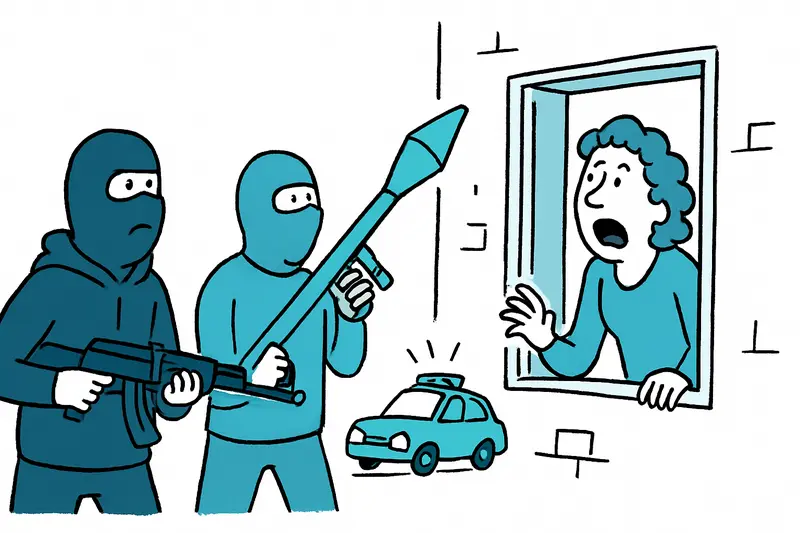
Five German content creators filmed on a recently vacated detention site using deceptively realistic props. The result: ...
Why the Striped Breams in Cala Pí Should Be a Wake-up Call
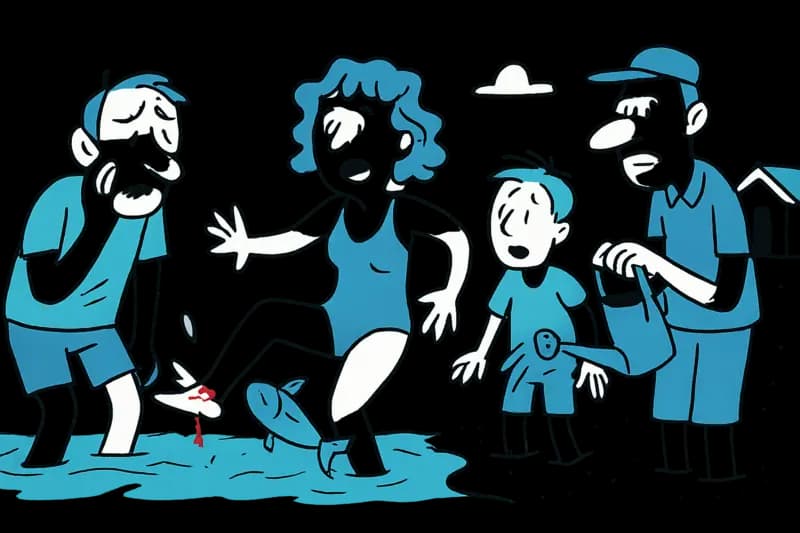
Once again bathers in Cala Pí were surrounded while swimming by small, nippy fish — some wounds bled. Time for clear rul...
Daily from New York: How Palma's Air Traffic Is Growing — and What Must Change
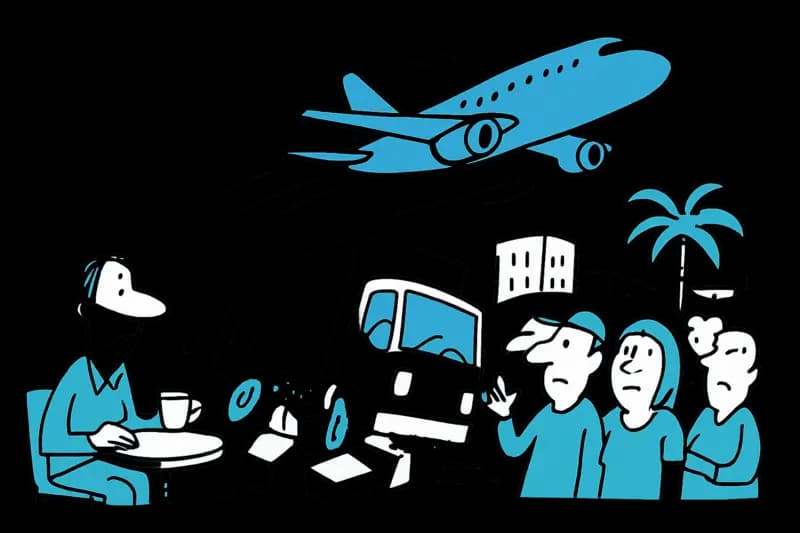
United will increase the Newark–Palma service to daily flights in 2027 (Boeing, 231 seats). Strong tourist numbers clash...
When Love Ends in Shards: Destruction in Son Vida and the Questions That Remain
In Son Vida a relationship dispute escalated: a woman destroyed furniture in a luxury villa, later pressed a panic butto...
Who Bears the Burden? Mallorca Between Tenant Protection and Landlord Fears
Madrid's new housing decrees strengthen tenant rights — but on Mallorca concern is growing: will the law drive small lan...
More to explore
Discover more interesting content

Can Cap de Bou

Townhouse Lleo 72
