
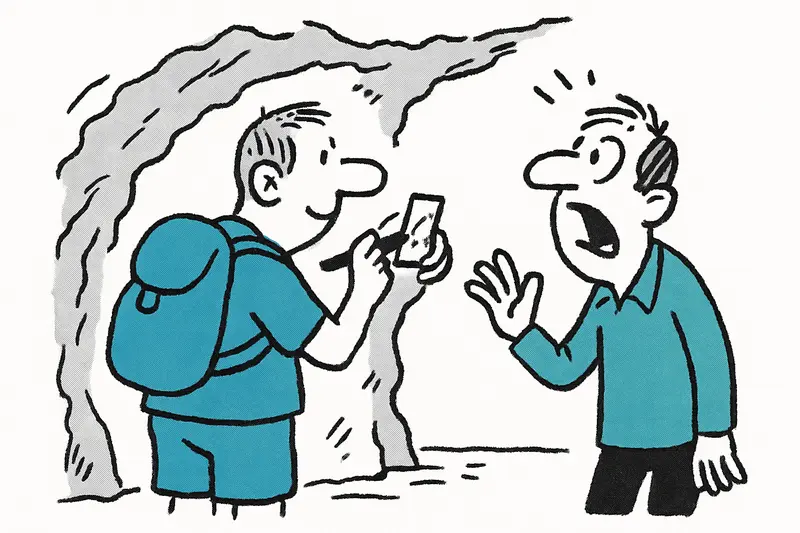
Portals Vells in Uproar: Tourist Etches Name into Cave Wall — and Posts It
A short video shows a tourist carving his son's name into a rock wall in Portals Vells and proudly posting it. Residents and environmentalists are outraged — the cove is a sensitive habitat. What consequences and measures does Mallorca need now?
Portals Vells in Uproar: A Signature That Hurts
Last night a local news report of the short video circulated in various chats and social media feeds that caused a stir on the quiet coast of Portals Vells: a tourist films himself using a pen to scratch his son's name into the wall of a small sea grotto — and later uploads the clip proudly to Instagram. At first glance it looks like a harmless snapshot; for many locals it is an attack on a sensitive coastal area.
Angry Reactions at the Kiosk and Online
In the evening, while the sun still warmed the promenade and seagulls circled above the harbor, walkers and shopkeepers loudly discussed the video. A kiosk vendor shook her head: “People come, hear the waves, want a photo — and leave scratches in the history of this place.” In forums and local groups the act met with little understanding; outraged comments are piling up under the clip, screenshots are circulating, and many demand clarification and sanctions.
Why One Scratch Is More Than Vanity
Portals Vells is more than a postcard motif. The tiny grottos and rock overhangs are connected to ecosystems associated with seagrass beds Posidonia oceanica seagrass; mussels, algae and small fish use the sheltered space. When someone scratches into a rock wall, they do more than damage the stone: microcracks change moisture, light reflection and habitat for tiny organisms. What looks like a personal memento can trigger chain reactions in a fragile habitat.
The Real Question: Why Does This Happen — and How Do We Stop It?
The focus is not only on the individual, but on responsibility: why do visitors feel encouraged to leave traces? One reason is social media culture: quick recognition, likes for “authentic” actions. Added to that are language barriers, lack of knowledge about conservation rules and the feeling of being far from control. Without visible consequences, the threshold to obey rules falls.
What Is Often Missing: Authorities’ Role and Prevention
So far no official complaint has been filed, but public outrage is clear. What is often missing are visible instruments: multilingual signs at sensitive coves, regular patrols during peak season, cooperation with boat operators and rental agencies. Digital tools could also help — a simple reporting option via an app or QR codes in parking areas that inform tourists and boaters directly about protection rules could mitigate a lot.
Concrete Steps That Could Help
Practical suggestions emerge from the local discussion: low-threshold information at the harbor (short info sheets with boat rentals, notices in several languages), increased presence of coast guards in problematic coves, clear fines for deliberate damage to natural and cultural assets, and cooperation with platforms to curb the viral sharing of harmful acts. Civic engagement is also needed: documenting damage, volunteer patrols and guided, nature-friendly tours as an alternative to impromptu selfie stops.
Leave It As You Found It
The appeal is simple and old-fashioned: whoever comes to the coast should leave rocks, caves and plants as they found them. No signatures, no spontaneous “souvenir” that remains visible for decades. Those who live here or vacation here hear the lapping water, the wind in the pines and the voices on the promenade — what we do not want to hear are the scratches others leave behind.
Whether this incident will lead to a complaint, sanctions or just a lot of anger remains open. What is clear, however, is this: if Mallorca does not protect sensitive areas more visibly and at the same time better inform visitors, isolated cases will not remain isolated. The challenge is to be an island that welcomes guests, but does not tolerate their thoughtlessness — a balance between hospitality and responsibility.
Frequently asked questions
Can you scratch or write on rocks in Mallorca’s sea caves?
Why is Portals Vells in Mallorca so sensitive to visitor damage?
What should I do if I see vandalism in a Mallorca cove?
How can Mallorca protect popular coves like Portals Vells better?
Is it safe to swim or visit Portals Vells in Mallorca after incidents like this?
What are the rules for leaving marks or graffiti in Mallorca’s natural areas?
What is the best time to visit Mallorca’s quieter coves without causing crowding?
What should I pack for a responsible day at Portals Vells in Mallorca?
Similar News

Maribel: Five Decades of Service – Housekeeper from Peguera Celebrated with a Special Honor
Over 50 years in the hotel business: María Isabel “Maribel” Molinos was honored in Palma at the Nit del Turisme by Unive...
Orange Alert over Parts of Mallorca: Are We Prepared?
Dark clouds and an announced wet spell have triggered an Orange alert in parts of Mallorca. A reality check: what's miss...

Sundair & Co.: Sale speculation and what it could mean for Mallorca
Rumors about a possible sale of the airlines Sundair and Fly Air 41, which belong to Schauinsland-Reisen — and whether b...
Anne Wünsche in Mallorca: A job offer with a catch — who fits the role of personal assistant?
Influencer Anne Wünsche has left Berlin and is urgently looking for a full-time personal assistant in Mallorca. Why the ...

Daily from New York: Palma Between Boom and Strain
United will increase the Newark–Palma route to daily flights in 2027 using Boeing aircraft (231 seats). What does the in...
More to explore
Discover more interesting content

Can Cap de Bou

Townhouse Lleo 72
