
Like a movie: Waterspout over Calvià — what you need to know
Early on Friday morning a striking waterspout formed over the bay of Calvià. Why such vortices form, what risks they pose and which measures boat owners and residents should take now.
A morning that felt like a movie
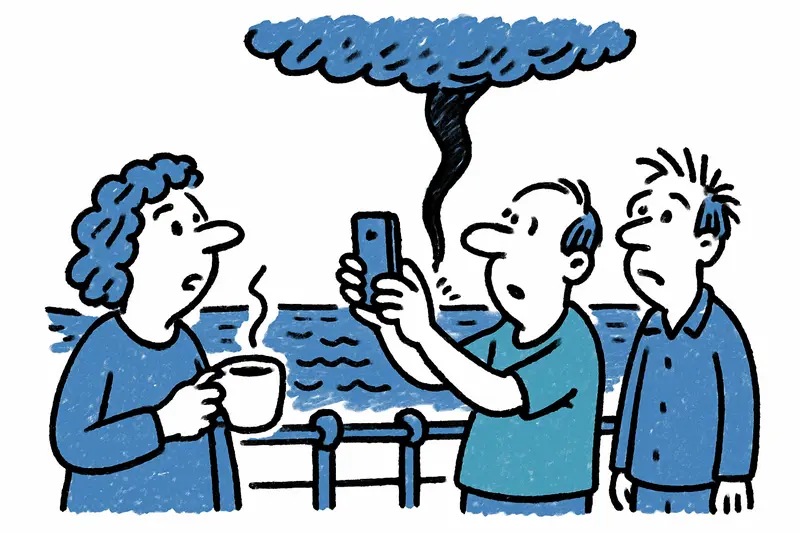
Shortly after sunrise, around 08:30, beach strollers and café visitors in Portals Nous looked up: a dark, slender column stretched from the sky to the sea surface. In the midst of a calm late summer the sight looked like a special effect — only it was real. A local resident, coffee in hand, later half-laughed, half-soberly said it felt "as if someone had placed a movie scene over the bay." Phones clicked, boats briefly sought shelter, then the formation dissipated.
What causes a waterspout?
The sighting was a waterspout — essentially a tornado over the sea. Such a vortex can form when relatively cool air layers meet significantly warmer water and trigger strong updrafts. On Mallorca we see them more often when the sea still holds heat and fresh air masses arrive — a typical late-summer constellation. Unlike large land tornadoes, waterspouts are usually short-lived, but sudden gusts and rotating winds can put boats and small watercraft at risk.
Observations on site: minor panic, great interest
Boat owners in the marina reported unexpected gusts; a fisherman near Cap de Fibló described the sensation as if the water surface was briefly sucked down. On the square in the later morning hours the event was discussed at length: the background noise of rolling chairs, clattering espresso cups and quiet concern mixed with the usual café chatter. Many were half-amused, half-tense — the sea has been moody these days (see Autumn storm in Mallorca: Three-meter waves and what we should learn from it).
More to be expected — and what that means
Meteorologists warn: the coming weeks present an unfavorable mix. Still-warm sea temperatures plus unstable air masses increase the likelihood of similar phenomena; for example, Yellow Warning on the North Coast: Wind, Waves — and What We Should Really Pay Attention To. In addition, Danas or the so-called "gota fría" may occur — low-pressure systems that can bring locally severe thunderstorms and heavy rain, according to AEMET. For locals and holidaymakers this means heightened attention, especially when handling small boats and near open water.
Concrete safety tips for residents and boaters
A few pragmatic rules significantly reduce risk. If the wind suddenly freshens: better secure boats immediately or head for the nearest harbour. Regularly check anchorages and avoid mooring too close to cliffs. For walkers: keep your distance from wet, slippery shoreline edges — paths and rocks can be treacherous after showers.
And yes, the photo is tempting. Better film from a safe distance than dash across wet jetties by bike. If in doubt, note the time and location and report observations to the harbourmaster or the relevant coast guard. Such reports help rescue services assess dangers more quickly.
What is often missing in the public discussion
The waterspout itself is spectacular, but the debate must go further: how well prepared is the local infrastructure? Fast reporting channels between eyewitnesses, harbours and emergency services are often lacking. Awareness for tourists is also incomplete — many do not know how quickly sea conditions can change (see Sudden autumn in Mallorca: Are harbors and coasts prepared for short storms?). Another point: the combination of a warmer Mediterranean and unstable air masses could make such events more frequent in the long term. We rarely talk about that enough, while people on the promenades continue to sip their café con leche.
Solutions: simple, quick, and locally feasible
A few pragmatic steps could help a lot: clearer signs at popular coastal spots, a simple reporting hotline for waterspout sightings, regular training for harbourmasters and boat rental companies, and information leaflets at rental stations and hotels. Technically, locally installed sensor buoys or better integration of observations into existing weather warning systems would also be conceivable; recent reporting such as Night Storm Hits Andratx and Calvià – Are We Really Prepared? highlights the need. And: neighborhood WhatsApp groups and marina forums can help spread warnings quickly.
A call for vigilance
The sighting in Calvià was striking but not a reason to panic. It is, however, a reminder: island weather can change quickly. Those who love the sea should treat it with respect — and anyone who observes something unusual should report it. That way we protect people, boats and the peaceful morning atmosphere on our promenades better than with smartphone videos alone.
Frequently asked questions
What is a waterspout and is it dangerous in Mallorca?
When are waterspouts most likely to happen around Mallorca?
What should boat owners in Mallorca do if they see a waterspout?
Can you swim safely in Mallorca during unstable weather?
What kind of weather changes can Mallorca get in autumn?
What should walkers and beach visitors do during sudden weather changes in Mallorca?
What happened with the waterspout in Portals Nous, Mallorca?
Where should people report a waterspout sighting in Mallorca?
Similar News
More water than last year: Mallorca's reservoirs breathe easier
September rain refilled the Tramuntana's reserves: overall fill around 35 percent, Cúber at 40.42 percent, Gorg Blau at ...
Three Luxury Hotels in Banyalbufar: Lots of Money, Many Questions
A Danish investor plans three exclusive accommodations in Banyalbufar — including the historic Son Valentí. The announce...
2.1 tonnes of cocaine on sailing yacht off Spain's coast – a reality check for the coastguard
A 14-metre yacht was seized with 2.1 tonnes of cocaine. Who monitors the ports, how does the international hunt succeed ...

Heat Bonus in Mallorca: 100 Euros Extra for Outdoor Staff at MarSenses
MarSenses pays employees who worked outdoors in August an extra €100 as recognition. Lighter uniforms, reduced hours for...
Renovating in Mallorca: What You Really Can Do Without Neighbour Consent
Many think they can do whatever they want in their apartment. That's partly true — but only as long as structural elemen...
More to explore
Discover more interesting content

Can Cap de Bou

Townhouse Lleo 72
