
Western Palma to Get a New Arts Quarter with a Green Boulevard
Western Palma to Get a New Arts Quarter with a Green Boulevard
Palma plans a new centre for music, acting and design west of the city centre: 22,000 m², a 30-metre-wide green boulevard, a photovoltaic pergola and spaces for students – a boost for the cultural neighbourhood.
Western Palma to Get a New Arts Quarter with a Green Boulevard
Students, visitors and neighbours should gain a place to linger, rehearse and exchange ideas
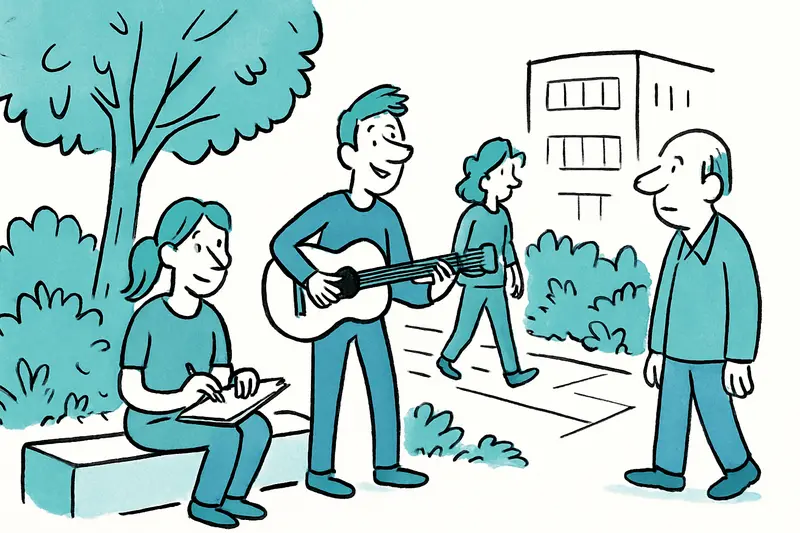
When summer heat shimmers over Palma's roofs and the alleys around the Plaça d'Espanya grow quieter in the afternoons, there is another sound on the west side of the city: young voices, footsteps on gravel, a guitar longing from a window. Right there, immediately next to the existing conservatory, a new arts and culture quarter is to be created that places these sounds at its centre.
The city is planning an ensemble on municipal land with more than 22,000 square metres of usable space. Planned are facilities for the drama school (ESADIB), a design college and an extension of the conservatory. The heart of the project will be an approximately 30-metre-wide, landscaped promenade – a thoroughfare intended as a meeting place, an outdoor event space and a long-lasting amenity for the neighbourhood.
The planning commissions were awarded to the architecture firms Coll-Leclerc and Barceló-Balanzó. The Balearic government has allocated 1.2 million euros for the development of the designs; the firms have nine months to prepare the plans. If everything goes as intended, tenders could be issued by the end of 2027 – more optimistic timelines even mention a possible construction start in the early months of next year (see the new exhibition centre with 20,000 m² and up to three halls).
The designs offer more than classrooms: a cultural forum, an auditorium for concerts and theatre, a large orchestral hall, choir rooms, recording studios and workshops for designers. According to the project description, it was important to the planners that practice and performance spaces receive plenty of daylight despite high acoustic requirements – not an airtight, bunker-like music feel, but rooms where people want to spend the whole day.
Sustainability is built in: underground parking, cisterns for rainwater collection and a photovoltaic pergola that is expected to cover a large part of the energy demand. In practice this could mean shaded solar panels above the promenade where you can sit with a coffee in autumn while the city is still warm.
As a nearby resident I imagine the new promenade like this: morning coffee on a bench, students with sketchbooks on the ground, older neighbours visiting their children, and from time to time a small open-air concert that makes the shutters on the street next door vibrate. It is a small everyday vision, but precisely for that reason the project feels fitting here: it is meant not only for students but for the street.
For Palma this means several things at once. First: investment in education – the island is creating spaces where young artists can be trained, seen and networked. Second: upgrading a neighbourhood through public spaces that enable encounters, similar to plans to convert the old Metropolitan cinema in Pere Garau into a 7,000 m² multiservice community centre. Third: a signal that culture does not only take place in museums but in the middle of everyday life, as in the city's ideas competition for the Gesa site — museum concepts versus parking plans.
What comes next? The planning phase will be crucial: accessible ground-floor uses, good connections for pedestrians and cyclists, and a design that provides shade during the harsh Mallorcan summer must now be defined. If these points are taken seriously, the quarter could become a lively part of Palma within this decade – with afternoon lectures, small exhibitions on Friday evenings and Sunday rehearsals outdoors.
The city has a clear plan: land provided, funds for planning allocated and teams selected. Now much depends on how the details are developed. For the people here it mainly means anticipation: short journeys to rehearsals, new cafés, spaces where sound and colour have room. And for Palma it is an opportunity to seriously further weave its role as a creative capital in the Mediterranean.
Outlook: If the promenade succeeds, it will be more than a stretch of path in Palma; it will be an everyday meeting place where education, research and neighbourhood intersect – in a city where the sea breeze always sets the rhythm.
Frequently asked questions
What is planned for the new arts and culture quarter in Western Palma?
What is the timeline from planning to possible construction for the Western Palma arts quarter?
What facilities will the Western Palma arts quarter include?
How is sustainability included in the project?
What will the promenade be like and how will it function?
How could this project affect daily life in Palma?
What does this project mean for Mallorca's cultural strategy and artists?
Where is the project located and how big is it?
Similar News
More water than last year: Mallorca's reservoirs breathe easier
September rain refilled the Tramuntana's reserves: overall fill around 35 percent, Cúber at 40.42 percent, Gorg Blau at ...
Three Luxury Hotels in Banyalbufar: Lots of Money, Many Questions
A Danish investor plans three exclusive accommodations in Banyalbufar — including the historic Son Valentí. The announce...
2.1 tonnes of cocaine on sailing yacht off Spain's coast – a reality check for the coastguard
A 14-metre yacht was seized with 2.1 tonnes of cocaine. Who monitors the ports, how does the international hunt succeed ...

Heat Bonus in Mallorca: 100 Euros Extra for Outdoor Staff at MarSenses
MarSenses pays employees who worked outdoors in August an extra €100 as recognition. Lighter uniforms, reduced hours for...
Renovating in Mallorca: What You Really Can Do Without Neighbour Consent
Many think they can do whatever they want in their apartment. That's partly true — but only as long as structural elemen...
More to explore
Discover more interesting content

Can Cap de Bou

Townhouse Lleo 72
