
When the Clouds Come: Palma's Old Town Between Gain and Limits
When the sun disappears on the coast, a surge of people heads into Palma's old town. A blessing for cafés, a strain for residents. How can we find the balance?
When the clouds come: Palma becomes a magnet for people
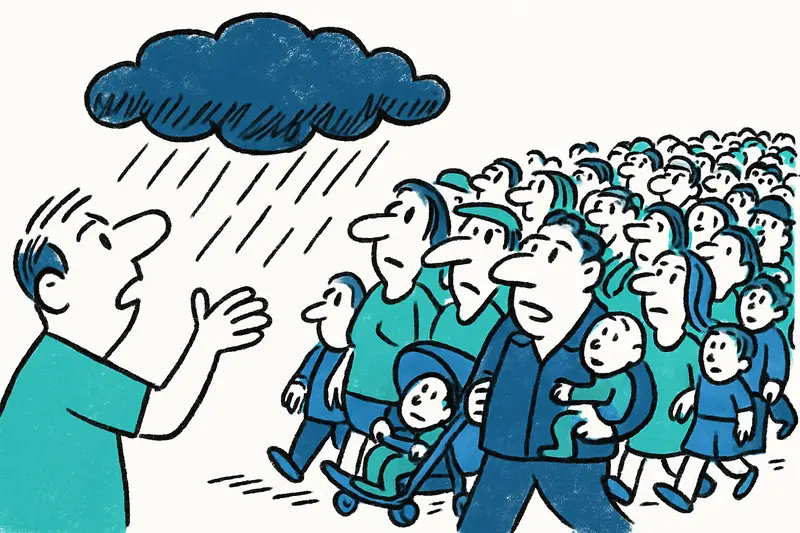
Yesterday morning, around 11 a.m., that heavier light settled over the bay — the kind of clouds that make beach-chair owners frown and sunbathers glance suspiciously at the sky. Within minutes the island's routine shifted: the quiet, meditative beachfront promenade turned into a moving column towards the old town. This pattern matches recent reporting in Clouds Instead of Sunburn: Palma Feels Cozy and Mild. Coach groups, families with colorful strollers, cyclists with wet shorts — all headed into the cobbled lanes as if they had received an unspoken signal.
The question that becomes visible: Who does Palma belong to when the weather turns?
A light drizzle began before the Passeig Mallorca, and already crowds were threading through Carrer Sant Miquel like mosaic tiles. On the Plaça Major you could hear the clatter of umbrellas, the rumble of city buses and the occasional laughter of a couple huddled under a single brolly. For restaurateurs and shop owners such cloudy days are lucrative: terraces fill up, souvenir shops experience spontaneous rush hours, and small bookshops report surprisingly high demand for espressos and paperbacks. 'A rainy morning can save our monthly balance,' says a bookseller as he prepares the next till.
The other side: residents, traffic and urban limits
But the joy is not evenly distributed. From narrow side streets residents report long lines of cars searching for parking, overflowing bins and people blocking stairways to apartments with wet shoes. A woman on the second floor near the Plaça de Cort sighs: 'You can hardly get out of the house, and then the lift smells of damp jackets.' This subtle strain on public space reveals how ill-prepared infrastructure sometimes is for the annual 'cloud migration', a dynamic explored in Palma in a weather jam: When gray days roll over the city.
What is often overlooked
Some aspects usually remain invisible in public debate: the burden on cleaning services, the short-term demand for public toilets, the extra work for police officers who must direct pedestrian flows, and the pressure on local shops' delivery chains that then struggle to serve residents. Added to that are ecological footprints — more waste, more taxi rides, more short-distance trips through the old town. These costs are distributed, but they hit hardest where people live.
Concrete opportunities: small measures with big impact
The good news: many problems can be eased with comparatively simple measures. Some proposals that could be implemented locally and quickly:
1. Location-based info pushes: A city-wide short message or display boards at beach access points could inform visitors early about which neighborhoods are full and suggest alternative destinations — museums, covered markets or less frequented squares.
2. Temporary parking zones for residents: In the morning designated resident parking spaces could be activated so locals are not blocked by parking searchers.
3. Mobile cleaning and service teams: Rapid-response teams for waste removal and public toilets would reduce the burden on neighborhoods.
4. Tax incentives for all-weather coastal offerings: If beach bars and clubs create more covered areas, some demand will remain on the coast and avoid a full shift into the old town.
5. Better visitor guidance: Small signs, temporary one-way rules for pedestrian flows and clearer directions to quieter lanes help prevent bottlenecks and conflicts with residents.
Practical tips for visitors
If you stroll through the historic center at midday, do yourself a favor and take the side streets — they are shadier, often quieter and tell the better stories. An espresso in a side passage is quicker than on a crowded terrace, and carrying a small umbrella in your backpack gives you more mobility. One more thing: a smile helps. A friendly greeting to a terrace server costs nothing — and is much appreciated on a day like that.
Outlook
Palma is a city in motion — not just because of tourism, but because weather and people’s reactions to it create visible spaces. The challenge is to link the economic opportunities of these short waves with the residential character and quality of life; policy efforts such as When Offices Go to Sleep: Palma's Plan to Revive the Old Town point in that direction. With targeted, small changes, cloudy days could become a less conflict-laden, even enriching experience for everyone. Until then we will continue to hear the clatter of umbrellas, the calls of bus drivers and the distant clinking of an evening glass on an overcrowded terrace — and as residents we will take a deep breath, hope for clear skies and plan the next repair coffee.
Frequently asked questions
What is Palma's Old Town like on a cloudy or rainy day?
Is Palma still worth visiting when it's not sunny?
What should I pack for a day in Palma if the weather looks unsettled?
Why do Palma's old town streets get so crowded when the weather changes?
Where can you go in Palma if you want to avoid the busiest streets?
Do cloudy days in Palma help local shops and restaurants?
Are there parking problems in Palma's old town on busy weather days?
What is the best way to experience Palma's old town when it's crowded?
Similar News
First Day, First Consequences: What Palma's Rent Freeze Really Means
A new decree stops a planned eviction in Palma — but what really changes for tenants and landlords? A reality check with...
When Housing Becomes a Matter of Survival: Mallorca Between Rental Frenzy and Everyday Life
The case of 87-year-old Maricarmen showed that on Mallorca many people's lives are poised between affordable and uninhab...
Autumn in Mallorca: When Melancholy Gets a Window
Why autumn quietly tightens here — and how to make use of the mood: walks, culture, candles and the light from Palma to ...
Near-miss on Lanzarote: Landing Ryanair Jet and Iberia Takeoff — what really went wrong
On Lanzarote there was a dangerous incident: A Ryanair flight (FR5910) from Dublin landed on runway 03 while an Iberia E...
Eurowings introduces new Premium Business seats on Mallorca routes
From December 1, selected Eurowings flights to Palma and other destinations will feature eight particularly generous sea...
More to explore
Discover more interesting content

Can Cap de Bou

Townhouse Lleo 72
