
Palma in a weather jam: When gray days roll over the city
When the sun is missing on Mallorca, Palma suddenly becomes a target: full car parks, crowded buses and a stressed city centre. Why this happens — and how the city could respond smarter.
Short break, shopping marathon or traffic chaos?
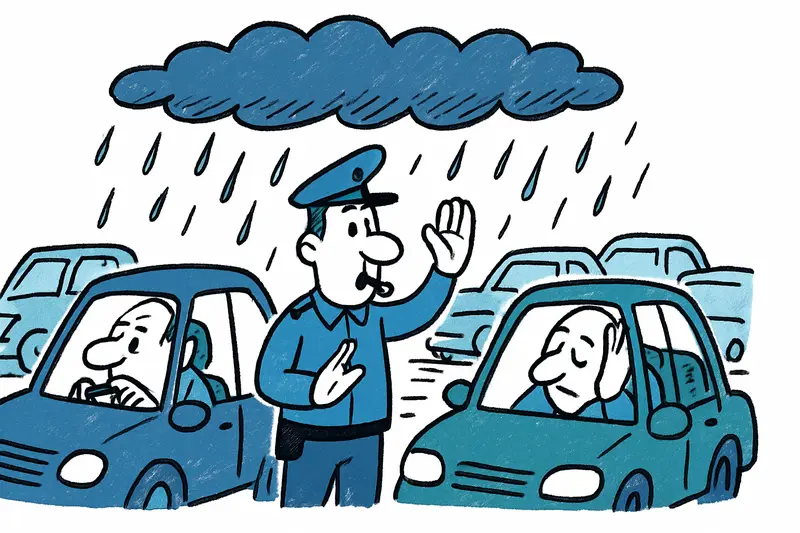
In the late morning a layer of clouds settled over Palma, as noted in Clouds Instead of Sunburn: Palma Feels Cozy and Mild, and within an hour the city's rhythm changed. Parking spaces on the Paseo Mallorca filled up, rental cars queued at the entrance to the waterfront car park, and the buses heading to Playa de Palma were so full that long lines formed at the stops. Police officers directed traffic with whistles and hand signals, and activity on the Avinguda d'Argentina came to an almost complete standstill.
The key question: How resilient is Palma to short visitor peaks?
This question may sound dry, but it is practical: when a gray day drives hundreds of people out of hotels and holiday apartments into the city, the existing infrastructure is often not sufficient, a pattern explored in When the Clouds Come: Palma's Old Town Between Gain and Limits. An older taxi driver put it bluntly: "This only happens when the sun fails - then everyone heads into the city." The challenge is not only the number of people, but their behaviour: everyone heads for the same attractive spots - bakeries on the Plaça Major, museums, the main shopping streets.
The result is overcrowded sidewalks, honking cars, stressed delivery drivers and shopkeepers who also tell of full tables. On the Passeig the police warnings mix with the clinking of coffee cups and the distant roar of the sea - on such days the city sounds like a small improvised stage.
Why the problem has been underestimated so far
Public debate often focuses on major construction sites and the classic peak months; events such as Orange storm cripples Palma: parks closed, markets cancelled – Is the city well prepared? show how unexpected pressures can expose gaps in planning. Short-term everyday peaks are less considered: the role of rental car fleets, GPS navigation that directs visitors to certain car parks, and the availability of delivery times for businesses during busy hours. Also overlooked are hotels that in the morning send their guests into the city with recommendations without suggesting alternative destinations.
Another blind spot is coordination between parking space, public transport and sidewalks. Good bus connections are of little use if they do not have enough capacity at central stops or if the last mile from the stop to the attraction means overcrowded sidewalks.
Concrete opportunities and short-term measures
There are practical steps Palma can take in the short term: temporary drop-off zones for tour buses at the city edges, additional shuttle buses on gray days, better information in hotels about alternative destinations (markets, neighbourhoods like Santa Catalina) and coordinated rules for delivery vehicles, for example fixed delivery windows. Even today, dynamic signs on approach roads could help by indicating free parking spaces and shuttle offers.
On the small stage of everyday life, local retailers and museums can also counteract with staggered offers: extended breakfast hours, reduced afternoon admission times or digital reservations for short time slots. That spreads visitor flows and relieves the sidewalks.
Long-term perspectives: urban planning with arrival management
In the long term, Palma needs better linking of off-centre parking areas, attractive P+R shuttles and a public transport system that provides sufficient capacity not only during peaks but on a regular basis. Also conceivable are tiered parking prices on days with high demand, cooperation with car rental companies to avoid unnecessary inner-city trips and a digital platform that bundles traffic conditions, parking availability and bus capacities in real time.
Balance is important: the city centre lives from visitors - without them many cafés and shops would be empty. But more resilient management of arrivals protects residents from constant stress and ensures better processes for deliveries and emergency services.
A typical afternoon — and a quiet hope
In the afternoon the sky cleared again, after weather swings like those described in Wet but cozy: Palma on October 13. The queues dissolved, and on a bench at the Passeig visitors tired from the city stroll enjoyed the sun. Such moments show why Palma is popular: the cobblestones of the old town, the clinking of coffee cups and a shopkeeper's conversation about the best almond cake make the city come alive. If the city administration, hoteliers and businesspeople tackle the small and large levers together, gray days could sound less like stress and more like opportunity in the future.
The central question remains: do we only want to react — or finally plan ahead? That is the discussion Palma must have in the coming years, while somewhere a taxi meter ticks and a bakery keeps pulling croissants from the oven.
Frequently asked questions
Why does Palma get so busy on cloudy days?
Is Palma easy to get around when it rains or stays cloudy?
Where do visitors usually go in Palma when the sun is out of sight?
What should I expect if I drive into Palma on a busy weather day?
Is public transport to Playa de Palma affected when Palma gets crowded?
Is Santa Catalina a good alternative when Palma’s centre feels crowded?
How can Palma reduce crowding on short, busy days?
What does a cloudy day in Palma mean for shops and cafés?
Similar News

Masked Images, Real Panic: When Social Media Aesthetics Alarm Neighbors
Five German content creators filmed on a recently vacated detention site using deceptively realistic props. The result: ...
Why the Striped Breams in Cala Pí Should Be a Wake-up Call
Once again bathers in Cala Pí were surrounded while swimming by small, nippy fish — some wounds bled. Time for clear rul...
Daily from New York: How Palma's Air Traffic Is Growing — and What Must Change
United will increase the Newark–Palma service to daily flights in 2027 (Boeing, 231 seats). Strong tourist numbers clash...

When Love Ends in Shards: Destruction in Son Vida and the Questions That Remain
In Son Vida a relationship dispute escalated: a woman destroyed furniture in a luxury villa, later pressed a panic butto...
Who Bears the Burden? Mallorca Between Tenant Protection and Landlord Fears
Madrid's new housing decrees strengthen tenant rights — but on Mallorca concern is growing: will the law drive small lan...
More to explore
Discover more interesting content

Can Cap de Bou

Townhouse Lleo 72
