
Who wanted to kill Dr. Aslani? The open questions after the attack in Marbella
Who wanted to kill Dr. Aslani? The open questions after the attack in Marbella
A 57-year-old German cosmetic surgeon was shot dead in his clinic in Marbella. Investigators are examining a possible contract motive. What remains unclear, and how must security in private practices be improved?
Who wanted to kill Dr. Aslani? The open questions after the attack in Marbella
Leading question: Was this a targeted killing on commission — or is there another, personal motive behind the violent assault in the practice?
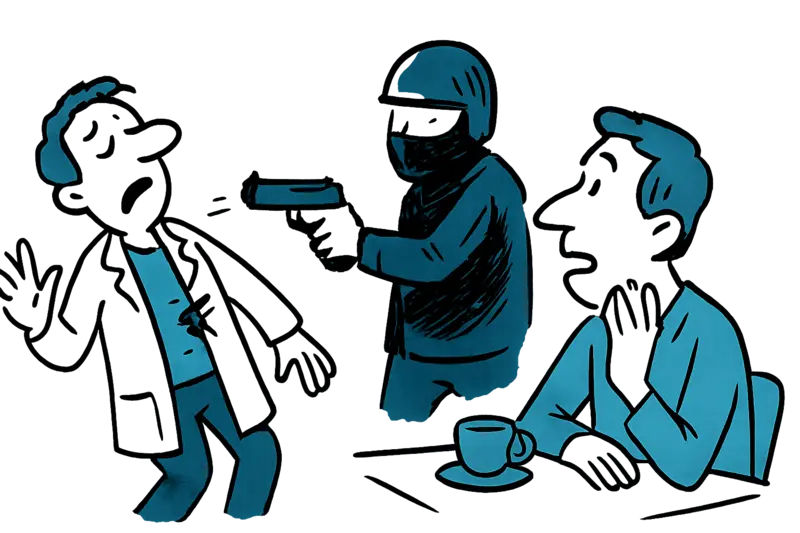
On an early weekday evening, shortly after 5:30 p.m., the life of a 57-year-old German specialist ended in a private clinic in Marbella. According to the facts known so far, a masked attacker entered the practice, fired multiple shots at the surgeon and then fled on a motorcycle. The relevant units of the national police and the homicide department have taken over the investigation; a contract killing is being examined as a possible explanation, reminiscent of a Suspected Contract Killing in s'Arenal: The Release That Leaves Questions Unanswered. Organized crime related to billing disputes is currently considered less likely, according to investigators.
It is important to separate clearly here: what is certain and what remains speculation. Certain are: the victim, the crime scene, the time window, the escape vehicle and the perpetrator's behavior (masked, dressed in black, wearing a helmet). Unclear remain the motive, possible masterminds and whether the perpetrator carried out a personal act of revenge or a paid assignment.
Critical analysis
The sequence of events — targeted shots in a treatment room, entering despite the presence of others and a rapid motorcycle escape — suggests planning and an economic calculation: easy means of escape, short time on site, targeted attack. But planning does not necessarily mean a contract killing; a radicalized lone actor with a personal agenda or a violent escalation of a conflict with a patient could leave similar traces. Important clues would be: surveillance footage around the practice and access roads, the victim's phone messages and contacts in the days before, as well as forum and social media activity with possible threats or complaints.
At the moment there are information gaps. The public learns little about previous complaints against surgical procedures, possible legal disputes or how the clinic handled postoperative patients, as in reports of medical fraud in Palma. It is also unclear whether there were signs of recurring conflicts with certain patient groups, or whether the victim was threatened in his private life; tensions associated with men visiting cosmetic doctors in Mallorca illustrate how patient dynamics can vary.
What is missing from the public debate
In violent acts like this there is a tendency for snap judgments: patient, jealous partner, organized crime, hitman — everything is tried. What is missing is a sober debate about the security situation in private healthcare practices on the Costa del Sol and about transparency regarding complaints and complications after aesthetic procedures. The balance between data protection, medical confidentiality and the need for public clarification is rarely negotiated.
Moreover, there is little discussion about prevention: How do practices without large budgets protect themselves? How can patients resolve conflicts without escalation? And how do we ensure that threats from individuals are identified early?
Everyday scene from Mallorca
While investigators in Marbella secure evidence, on a cool morning in Palma a café owner sits on the Passeig Mallorca, stirs his café con leche and hears the police radios in the distance. Conversations at the counter revolve around the incident — not with voyeurism, but with concern: if a practice in southern Spain is no longer safe, the whole region feels more vulnerable. Residents, tourists and working people exchange memories of previous incidents; a taxi driver mentions that more and more practices lock their doors hermetically after working hours.
Concrete solutions
It is not enough to speculate afterwards. Concrete steps could improve security without turning clinics into fortresses:
- Mandatory video surveillance of the exterior areas of medical facilities with secure storage of recordings for a reasonable period, combined with data protection requirements.
- A simple, central reporting channel for repeated complaints or threats against doctors, accessible anonymously to police and professional associations.
- Checklists for risk assessment in practices: separate entrances for staff/patients, panic button, clearly visible emergency plans for employees.
- Improved coordination between local police units and specialized homicide investigators on the coast, including rapid information sharing about possible threat patterns, a topic raised after the Knife Attack Near Costitx.
- Public education about rights, risks and complaint procedures after aesthetic procedures, so conflicts are settled legally rather than violently.
Punchy conclusion
The violent death of the surgeon is more than a tragic isolated case. It raises questions about the security structures in a vulnerable area: small, private practices with high client contact and often emotionally charged expectations. The investigation must be thorough and transparent without jeopardizing proceedings. At the same time, public debate must not remain stuck in speculation: clear rules, better prevention measures and a sense of safety are needed for everyone who works in or seeks help from medical facilities. In Palma, at the bar and on the beaches, one now hears not only grief — one hears the demand for answers and concrete steps to prevent a recurrence.
Frequently asked questions
What is the weather like in Mallorca and when is the best time to visit?
What should I pack for a trip to Mallorca?
Are Mallorca's beaches good for swimming and snorkeling?
How easy is it to get around Mallorca without a car?
What are popular outdoor activities in Mallorca?
Is Palma de Mallorca a good base for exploring the island?
What are the highlights of Alcúdia, Mallorca?
Is Mallorca family-friendly for a first visit?
Similar News
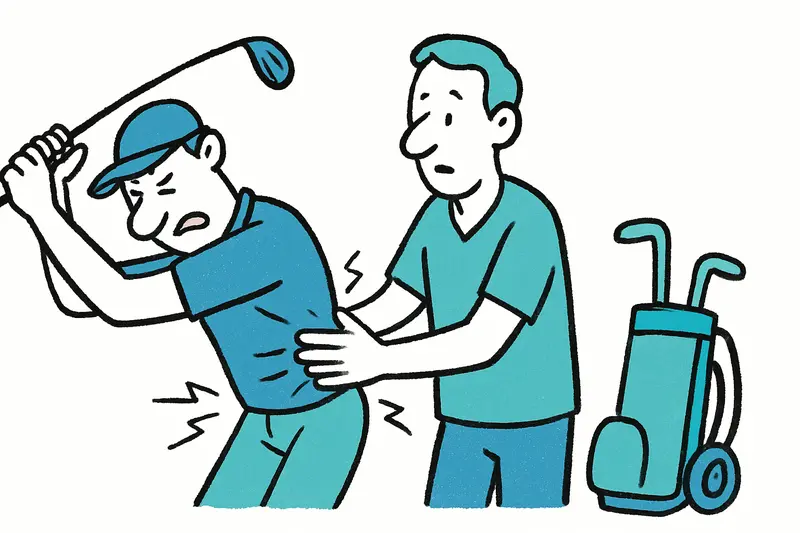
When the Golf Swing Aches: Help from Palma for Back, Knee and Shoulder
Many people head to the tees in Mallorca – but a sharp pain can end the round. An orthopedic clinic in Palma combines di...

Finally Rain on Mallorca: Lluc and Llucmajor Lead — and Why It's Good for the Island
Heavy rain hit the Tramuntana hinterland around Lluc on Wednesday. Figures, everyday impressions and a pragmatic outlook...
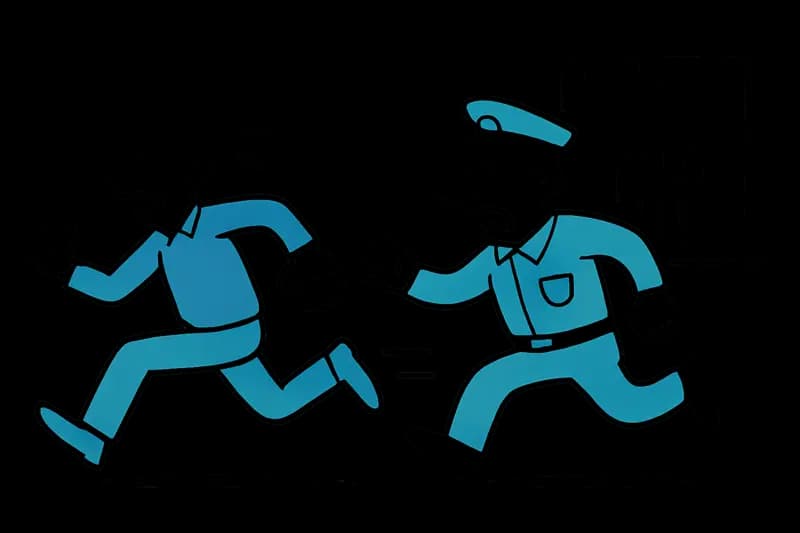
Prison Pilgrim Flees on Return: How Safe Are Prison Outings?
After a supervised pilgrimage to Santiago, an inmate ran off along the Carretera de Sóller and was recaptured near the o...
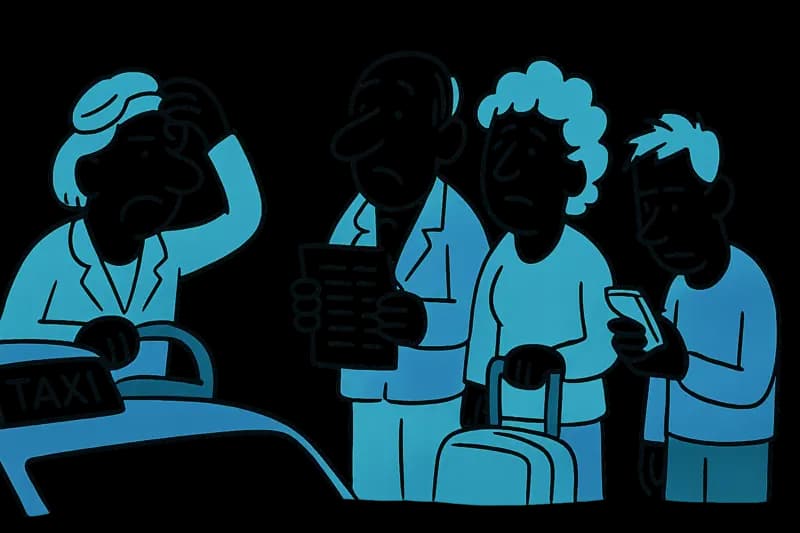
Ryanair cuts seats: Why Mallorca's winter schedule is at risk — and who can really solve it
Ryanair is cutting 700,000 seats in Germany this winter. What that means for flights to Mallorca, who loses out — and ho...
Key question: Are Mallorca's cities and infrastructure prepared for such cold fronts?
On the night to Wednesday a sharp cold front brought lightning, thunder and heavy rain to the island. AEMET keeps the se...
More to explore
Discover more interesting content

Can Cap de Bou

Townhouse Lleo 72
