
15 years demanded: Corkscrew attack in Palma — Is that sentence enough to ensure safety?
15 years demanded: Corkscrew attack in Palma — Is that sentence enough to ensure safety?
In the trial over a corkscrew attack in Palma the prosecution is seeking 15 years in prison. The defendant denies the act. Our guiding question: Does prison alone fill the gap caused by such violence?
15 years demanded: Corkscrew attack in Palma — Is that sentence enough to ensure safety?
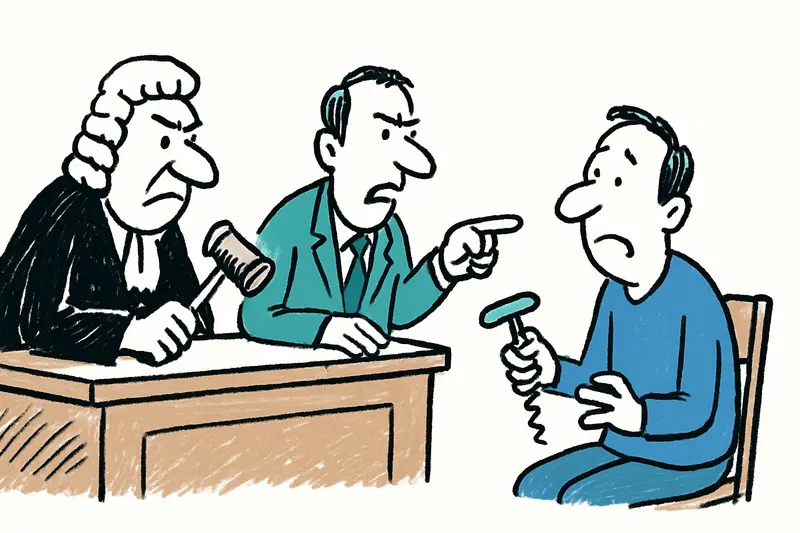
At the court in Palma a case from February 2025 is being heard: a young man was apparently stabbed several times with a corkscrew and suffered life-threatening injuries, requiring emergency surgery. The prosecution is seeking 15 years in prison for attempted murder. The defendant has been in pretrial detention since February 2025 and denies the allegations. In court the victim said the attack began after he had fended off a sexual advance by the defendant.
Guiding question
A closer look: Does a long prison sentence alone solve the problem, or is the island missing preventive tools that would stop such incidents and better protect victims?
Critical analysis
The facts presented in the courtroom are sparse and brutal: severe injuries, emergency surgery, an arrest warrant, a 15-year demand by the prosecution — these are facts that leave little room for doubt. At the same time many questions remain unanswered. How did the escalation occur? Were alcohol or drugs involved? Were there prior incidents or complaints? What role did location and time play? Such details often determine whether an attack was a spontaneous escalation or the expression of a deeper problem of violence. A hefty prison sentence addresses the sanctioning aspect, but says nothing about tackling root causes, protecting victims after the fact, or preventing similar assaults.
What is missing in the public discourse
Public debate now focuses heavily on punishment, but too little on prevention, immediate assistance and barriers to reporting. There is a lack of clear information on how victims in Palma and on the island can quickly and confidentially find support. The question of how event organizers, bars in Playa de Palma or night-shift staff can respond to an increased risk hardly comes up. Another blind spot is aftercare for people who file complaints: psychological support, legal aid, protective measures — these are not buzzwords but practical needs.
An everyday scene
Imagine the Passeig Marítim on a late Saturday night: voices from cafés, a motorcycle rumbling by, street lamps throwing bright patches on the asphalt. An argument starts quietly on a street corner, the music drowns out the first words. Such moments can suddenly tip over. The people standing at windows or sitting at a bistro table are the first witnesses — but often also those who look away because they do not know how to intervene or fear escalation.
Concrete solutions
It is not enough to expect answers only in the courtroom. Concrete, locally implementable measures could include:
1. Visibility and prevention: Better lighting at known meeting points, regular patrols during night hours, and simple reporting channels via an app or a short hotline for acute harassment.
2. Training for hospitality and event staff: Courses for personnel on de-escalation, how to protect affected people and when to call the police.
3. Bystander programs: Local campaigns that show how passersby can safely help — simple interventions, creating visibility, connecting witnesses.
4. Victim support: Faster, low-threshold psychological and legal assistance after reports, firmly embedded in hospital and police procedures.
5. Data and transparency: A systematic analysis of where and when such attacks occur so that measures can be planned in a targeted way — without relying on sensational reports.
Avoiding mistakes
It is important that prevention does not degenerate into surveillance kitsch. Not a camera on every corner, but targeted, data-protection-compliant measures, citizen involvement and clear rules for organizers. And: prevention must not become victim-blaming. It is about safety for everyone.
Pointed conclusion
The prosecution's demand for 15 years in prison sums up the legal moment: an act with severe consequences must be prosecuted. But Palma needs more than sentences. The more we only debate punishment, the more often we overlook the infrastructure needed to prevent violence and immediately protect those affected. When we walk through the city at night and see the streetlights, they should not only shine — they should also signal: there are ways to get help here, people who step in, and institutions that do not forget who was hurt after an attack. Otherwise the drama will repeat itself, once more, one time too many.
Frequently asked questions
What weather can you expect in Mallorca in spring?
Can you swim in Mallorca during spring?
What should I pack for a trip to Mallorca in spring?
Is spring a good time to visit Mallorca?
What is Port de Pollença like in spring?
How warm does it get in Palma de Mallorca in spring?
Is spring good for hiking in Mallorca?
What kind of trip suits Mallorca best in spring?
Similar News
Palma Chases Wealthy US Tourists — The Key Question: Who Should the City Actually Serve?
The city is investing more than €200,000 to attract high-paying visitors in several US cities. A good idea — but what is...
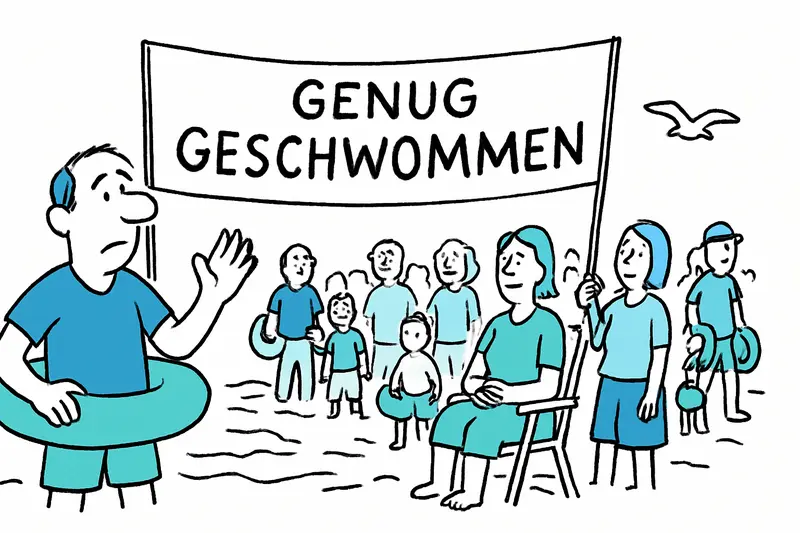
Enough swimming: Why Port de Pollenca is louder than the sea
More than 200 people formed a human chain in Port de Pollenca — not only as a protest but as a wake-up call. Guiding que...
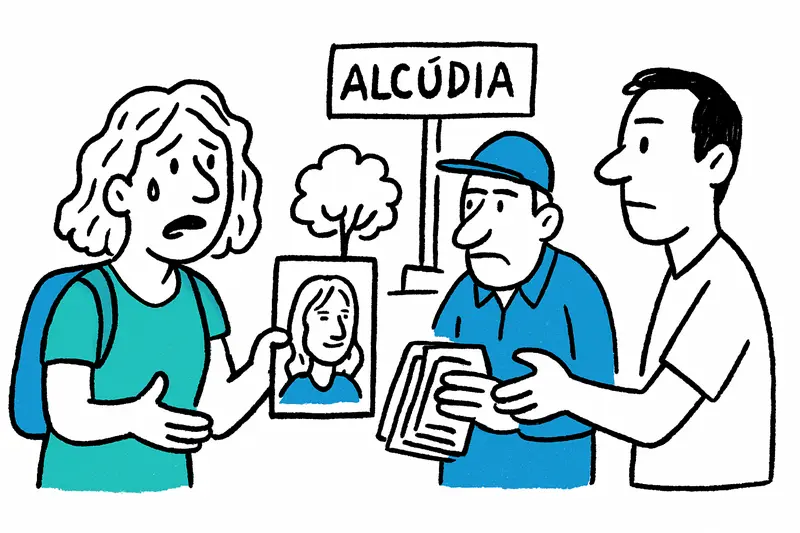
Mysterious disappearance in Alcúdia: Where is 24-year-old Lisa B.?
Since August 3 there has been no trace of 24-year-old German Lisa B. The family has traveled to Mallorca and urgently re...

From the Ruhr Area to the Tramuntana: Thorsten Legat and the FC Germania Mallorca Adventure
The former pro has not only taken the coaching role on Mallorca but also moved into a small island shared house, set amb...

Silent Conquest: What Mallorca's Wildlife Can Do Against Introduced Snakes
For years non-native snakes have been appearing on Mallorca. Who monitors the import routes, how effectively do authorit...
More to explore
Discover more interesting content

Boat Tour with BBQ along Es Trenc Beach

Private transfer from Mallorca Airport (PMI) to Pollensa
