
30 Years of Nit de l'Art: What Palma's Art Night Really Shows — and Conceals
30 Years of Nit de l'Art: What Palma's Art Night Really Shows — and Conceals
Nit de l'Art celebrated its thirtieth anniversary: full galleries, young visitors — and the quiet tensions between the art scene and everyday city life. Central question: How much art can Palma tolerate without losing its soul?
30 Years of Nit de l'Art: What Palma's Art Night Really Shows — and Conceals
For the anniversary, galleries and cultural centers filled up. But beneath the surface an open conflict about space, prices and participation is simmering.
Key question: How much Nit de l'Art can Palma bear when the city on the one hand celebrates and on the other hand loses public squares and housing? That was my question as I wandered on Saturday evening through the narrow streets around Sa Llonja, Carrer Verí and Pelaires (see Nit de l'Art 2025: Palma Between Gallery Glamour and Crowds).
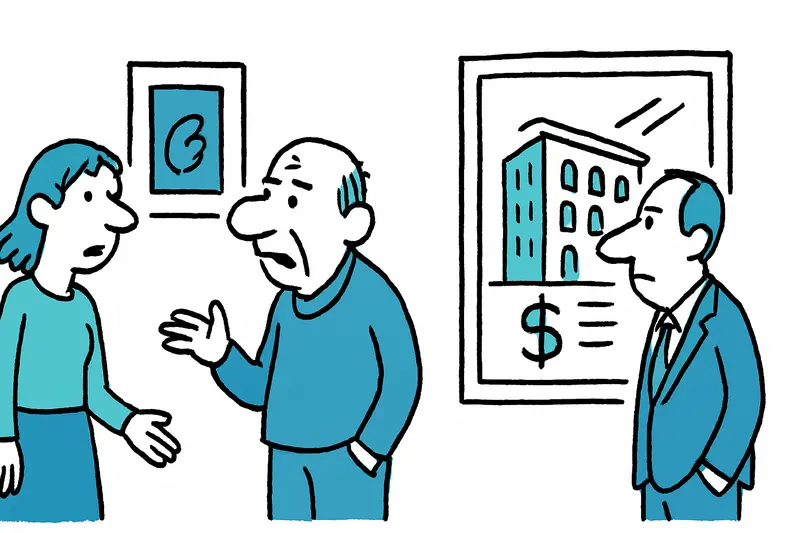
The scene: warmer air, remnants of the day's heat, the sound of conversations in five languages, the click of heels on cobblestones and the occasional bicycle bell. Students crowded in front of one gallery, while people of middle age chatted about art purchases outside another. At the corner of two streets stood an older Mallorcan man arguing in Catalan with a young artist, while across the street a real estate brochure for a luxury apartment was displayed in a shop window. This small everyday gap — art on the one hand, housing as a commodity on the other — was noticeable during many walks (practical routes and tips can be found in Nit de l'Art 2025: Palma’s Long Night of Art — Tips for Saturday Evening).
Brief observation: Nit de l'Art felt more relaxed this year than in some previous editions. People strolled, there was room for conversation, and young visitors were clearly part of the audience. That's positive. But the relaxed atmosphere must not obscure what was seldom discussed: Who really benefits from such cultural festivals?
Critical analysis: Cultural events enliven the city center, create visibility for galleries and offer platforms for emerging artists. At the same time they can accelerate rising rents and displacement. If galleries and art spaces pay high rents in converted old town apartments — or if spaces become fully commercialized — a parallel economy can develop: beautiful exhibitions, but less space for the people who live and work here.
What is often missing from the public debate: concrete numbers and the perspectives of those who do not celebrate. There is little systematic data on how galleries, holiday rentals and real estate trade interact or interfere along cultural hotspots. The silent effects on craftsmen, older residents, families and small businesses usually remain outside the headlines.
A telling everyday scene: On the way to the Fundació Barceló I saw a bakery where a courier was stuffing loaves into bags. The owner frowned: "Since more people are out in the evenings, fewer regular customers come in the mornings." Such small stories show that cultural events do not only bring glitter. They change the rhythm of a neighborhood — and not always to everyone's benefit.
Concrete solutions, without sounding utopian: 1) Time slots and quotas: Instead of all galleries opening at once, coordinated time windows or thematic routes could spread out the crowds and give local shops planning security. 2) Link artist funding to space preservation: Municipal grants for exhibitions could be tied to obligations to maintain affordable studio or exhibition space. 3) Transparency on vacancy and conversions: A city map of commercial and residential vacancies would show where temporary cultural projects make sense and where housing must be protected. 4) Mobility and services: Night buses, additional toilets, basic medical services and waste management help reduce the burden on residents. 5) Social programs: Participatory formats in which neighborhoods are actively involved and co-create prevent culture from rolling over them as an event.
A pragmatic option: a trial year with pilot projects in selected neighborhoods. A rotation model could distribute galleries and cultural centers across the city instead of concentrating everything in the old town (see also Nit de l'Art: Palma Shines on September 20 – The City Becomes a Gallery). This would ease infrastructure pressure and bring art to places where it is less visible — schoolyards, neighborhood centers and smaller towns outside Palma.
Important: Culture must not serve as a cover under which speculative processes run unchecked. City authorities, cultural actors and residents must negotiate realistic rules. Otherwise there is a risk that a nightly celebration becomes long-term alienation: beautiful appearances without social roots.
My conclusion, free of romance: Nit de l'Art showed that Palma wants art — and that is a gain. But we should not make the mistake of treating the event as an immutable cure-all. The art night can and should be an occasion to talk about vibrant, fair urban spaces. If we do not do that, Palma may end up as a beautifully staged showcase only for those who can afford the city.
Practical closing thought: Celebrating and enduring must go together. Those who laugh in Palma's streets at night should also be able to shop and return home the next morning. This requires political courage, restraint from organizers and engagement from neighbors — and not least a bit of collective listening.
Frequently asked questions
What is Nit de l'Art in Palma and why does it matter for the city?
How can Nit de l'Art affect housing prices and neighborhood life in Palma?
What practical steps could make Nit de l'Art more balanced for residents?
Is there solid data on how galleries, tourism rentals, and real estate interact with Nit de l'Art in Palma?
What everyday stories illustrate how Nit de l'Art changes Palma's rhythm?
Who benefits from Nit de l'Art in Palma, and who might be left out?
Could rotating venues help Palma’s Nit de l'Art share the spotlight more evenly?
What should city authorities, cultural actors, and residents do to keep Nit de l'Art from eroding local communities?
Similar News
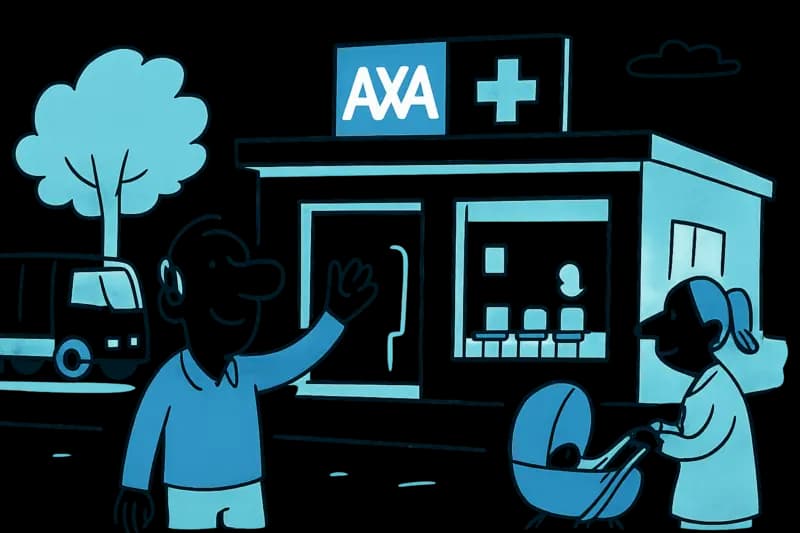
Axa opens first health center in Palma: €3 million, 650 m² and more local access for La Vileta
In the heart of La Vileta, Axa has opened its first own health center in Mallorca. On around 650 square meters and with ...

Hunt for Older Holidaymakers: Arrests after Suspected Pickpocketing in Port d'Andratx and Bellver
Five suspects were arrested after investigators accuse them of targeted pickpocketing of elderly tourists in Port d'Andr...
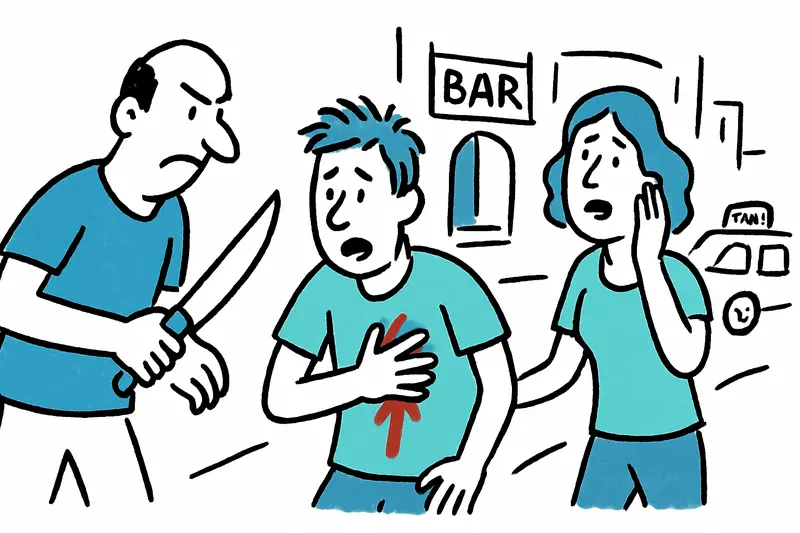
Knife stabbing in Magaluf: Why it must not remain an isolated incident
A 21-year-old tourist was stabbed in the chest in Magaluf and is in life-threatening condition. A reality check: what's ...

At Ten, Between Shoots and Schoolwork: Luna's World Tour from Palma
Luna is ten, 1.31 meters tall and already an in-demand child model. Between Ibiza, Paris, Lisbon and Berlin she commutes...

Who is to blame for Mallorca's space problems: the tourists or the system?
The debate is heated: tourists as scapegoats? Numbers on vacation rentals, hotel beds and population growth paint a comp...
More to explore
Discover more interesting content

Can Cap de Bou

Townhouse Lleo 72
