
Nit de l'Art 2025: Palma Between Gallery Glamour and Crowds
Nit de l'Art turned Palma into a loud, lively gallery — but the celebration raises questions: How can art remain accessible without the city being overwhelmed by crowds?
When the city becomes a gallery — and where it falters
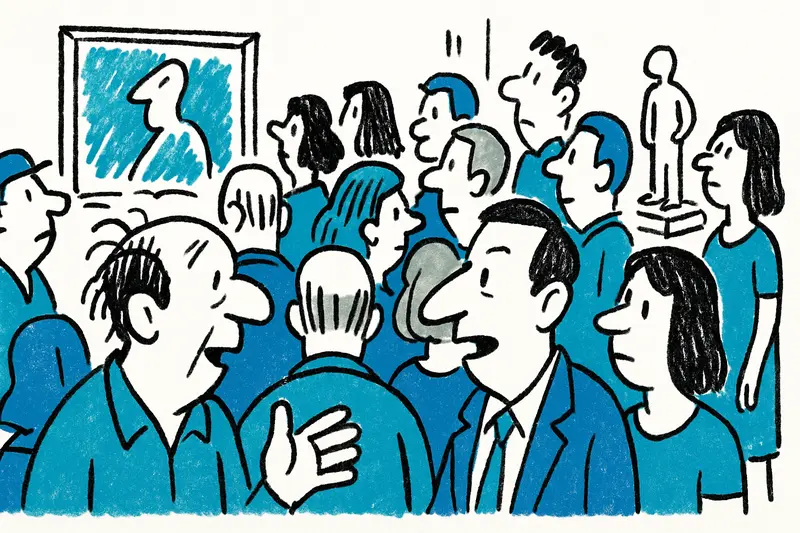
It was one of those summer evenings when the heat of the day still lay like a cozy coat: warm, dry air, the whir of air conditioners in the background and distant bass from a café on the Plaça Major. Nit de l'Art 2025: Palma’s Long Night of Art — Tips for Saturday Evening once again turned Palma into an open museum. Entrances filled from dusk, the alleys narrowed, and anyone who thought they could stroll comfortably soon became part of a leisurely stream of people.
But the key question remains
How can Palma keep Nit de l'Art: Palma's long art night returns open and lively — without the city suffering under the crowds? The festival works because it is heterogeneous: students, tourists, residents, gallerists and politicians mingle on Carrer de Sant Feliu or in front of the Lonja. But that very mix brings problems that rarely appear in the pretty narrative.
What was clearly noticeable
The evening at the new gallery Bibi + Reus City began with works by Maite and Manuel; familiar faces like Marga Prohens, Llorenç Galmés and Jaime Martínez dropped by. That's pleasant, makes for press photos — and sometimes takes away the space young artists urgently need. At the big houses like Kewenig, Gerhardt Braun or Xavier Fiol there was hardly a centimetre to be had. One gallerist grinned: "I haven't seen it this full in years."
The other side: the small venues
At the same time, there are corners that remain almost empty. Casal Solleric formed a long queue, while smaller pop-ups in side streets went barely noticed. ADEMA students presented still-wet brushstrokes, fragile and approachable — but many lacked the time to stop and look. La Misericòrdia served as a stage and meeting point for concerts, installations stood in front of the Aljub, and groups gathered in Es Baluard museum to discuss Miró. Such scenes show how much art is in the city — but also how unevenly it is seen.
Who we too rarely ask
Public debate often overlooks what residents and shop owners think, who on such evenings are not celebrating but managing: rubbish, delivery bottlenecks, noise late into the night. Equally rarely are the smaller galleries considered financially and logistically, the ones that open in the afternoons and plan their whole week around Nit de l'Art — with varying success.
Concrete proposals instead of good intentions
A few ideas that do more than sound nice and could help: timed routes (to improve distribution), longer opening hours across several days (spreading instead of concentrating), a digital visitor-heatmap system that shows live where there is space, and a map format with thematic trails (student route, classics, new scene) could bring relief. Public seating islands, additional toilets and more temporary service points would improve the quality of stay. And a small fund for subtenants in side streets could ensure that not only the big names benefit.
What remains
In the end there was still that warm, collective exhale: people discussing, laughing, sharing a glass and seriously debating in front of a canvas. Nights like these make Palma alive. Nit de l'Art: Palma brilla el 20 de septiembre – la ciudad se convierte en galería is not an exclusive event but an urban celebration. But if Palma wants it to stay that way, it needs more than goodwill and celebrity visits: planning, fairness and a little courage to try new formats.
Anyone who stopped at the Plaça la Lonja heard older voices arguing about then and now; the air mixed printer ink from the catalogues with the scent of fried street food. That's Mallorca: loud, sometimes chaotic, always genuine. And with a bit of care the loud nights of Nit de l'Art could become even better for everyone.
Frequently asked questions
What is Nit de l'Art in Palma, and why does it attract so many people?
Is Nit de l'Art in Palma too crowded to enjoy properly?
What is the best way to visit Nit de l'Art in Palma without feeling rushed?
When is the best time to go to Nit de l'Art in Palma?
What should you wear or bring to Nit de l'Art in Palma?
What is happening around Carrer de Sant Feliu during Nit de l'Art in Palma?
Why do some smaller galleries in Palma get less attention during Nit de l'Art?
How could Palma improve Nit de l'Art for visitors and residents?
Similar News

Maribel: Five Decades of Service – Housekeeper from Peguera Celebrated with a Special Honor
Over 50 years in the hotel business: María Isabel “Maribel” Molinos was honored in Palma at the Nit del Turisme by Unive...
Orange Alert over Parts of Mallorca: Are We Prepared?
Dark clouds and an announced wet spell have triggered an Orange alert in parts of Mallorca. A reality check: what's miss...

Sundair & Co.: Sale speculation and what it could mean for Mallorca
Rumors about a possible sale of the airlines Sundair and Fly Air 41, which belong to Schauinsland-Reisen — and whether b...
Anne Wünsche in Mallorca: A job offer with a catch — who fits the role of personal assistant?
Influencer Anne Wünsche has left Berlin and is urgently looking for a full-time personal assistant in Mallorca. Why the ...

Daily from New York: Palma Between Boom and Strain
United will increase the Newark–Palma route to daily flights in 2027 using Boeing aircraft (231 seats). What does the in...
More to explore
Discover more interesting content

Can Cap de Bou

Townhouse Lleo 72
