
![[DECORATIVE]](https://olrieidgokcnhhymksnf.supabase.co/storage/v1/object/public/news-images//300-euro-monat-realistische-rettungsleine-fuer-junge-kaeufer-palma-2025.webp)
300 Euros per Month: Realistic Lifeline or Illusion for Young Buyers in Palma?
300 Euros per Month: Realistic Lifeline or Illusion for Young Buyers in Palma?
The real estate association Proinba recommends that young people set aside €300 per month to build up equity for price-capped flats in Palma within five years. A reality check: is that really enough?
300 Euros per Month: Realistic Lifeline or Illusion for Young Buyers in Palma?
Key question: Can a savings plan of €300 per month actually open the way to homeownership for young people in Mallorca?
On May 19, 2026, the real estate association Proinba proposed a simple calculation: anyone who puts aside €300 every month will have equity for one of the planned price-capped apartments in Palma after five years. According to the association, the mentioned purchase prices range between €180,000 and €300,000, and "thousands" of these units are to be built in Palma in the coming years. At first glance a concrete statement. On closer inspection, however, many questions remain unanswered.
Quick math: €300 times 60 months equals €18,000. That's an amount — no question — but is it enough to secure a realistic path to homeownership? Standing on Plaça Major and watching young people at cafés, it becomes clear that the problem is not only the purchase price. Rents, with rental prices on Mallorca rising rapidly, additional costs, commutes on EMT buses, occasional repairs to a Vespa: the monthly budget is often tight before the piggy bank is even opened.
The real estate sector's calculation omits everyday realities: banks usually require a percentage-based down payment. Depending on the bank, this is often 10 to 20 percent of the purchase price; for €180,000, 10 percent would be exactly €18,000, while for €300,000 it would be €30,000, and in many areas even neighbourhoods on the outskirts are reaching the €300,000 mark when the periphery breaks the €300,000‑Euro mark. So even if one manages to save €18,000, the question remains which properties would realistically be available for that sum and which additional criteria influence loan approval — income, job stability, existing obligations.
What has been given too little attention in public debate so far is the total cost calculation: transfer tax, notary fees, community fees (Comunidad), IBI (property tax), insurance, maintenance. Structural factors also push young buyers out of the running: persistently high rents due to holiday rentals, capital inflows from investors and the lack of long-term affordable housing in the city centre — why prices are pushing locals to the edge. Anyone who walks past the stalls of the Mercat de l'Olivar in the morning notices the mix of tourists, commuters and locals — and among all those voices young households are often unheard.
Another blind spot is social mix. When new price-capped apartments are built, it is not automatically clear how the neighbourhood will remain affordable. Without accompanying measures, displacement processes threaten: tolerated short-term rentals, rising prices for services and changing retail along the Passeig del Born can make the surroundings more expensive — to the detriment of those who are supposed to be relieved.
Concrete solutions that go beyond appeals to save must therefore be thought through locally. Here are some proposals that could be implemented in Palma: expansion of social and cooperative housing forms as well as rent-to-own models, municipal guarantees or starter grants for young buyers, tax incentives for family-run companies that create housing, and tougher rules against vacancy and permanent holiday rentals in residential areas. Municipal guarantees or starter grants for young buyers could build on existing schemes such as the Balearic government's €10,000 subsidy for first-time buyers or the Spanish government's up to €10,800 support for young buyers in small municipalities, and partnerships between employers and municipalities so that housing subsidies or employer-provided housing become part of the offer — especially for entry-level workers in hospitality and tourism who otherwise would have to accept long commutes.
A realistic view of savings plans is also practical: €300 is better than nothing, but savings programmes should be accompanied — for example with individual financial counselling, secure savings instruments, state-supported savings plans with bonuses for young savers and measures that reduce ancillary costs (energy-efficient renovation, lower fees for first-time buyers). Models such as shared equity or community land trusts would also be suitable to tie purchase prices permanently to income levels.
An everyday scene: a young teacher from Pere Garau gets off the bus carrying a bag with market purchases from Plaça de las Columnas; he tells of colleagues who have worked here for years but must live further out because prices in the centre have exploded. His colleague is already saving, but the €300 per month would at best cover the 10 percent threshold for a small apartment — for a larger or family-friendly home it would hardly be sufficient.
Conclusion: The recommendation to set aside €300 per month is not a bad tip; it is concrete, easy to communicate and shows that people are thinking about solutions. But it is not a cure-all. Without complementary political measures, concrete financing models and an honest cost breakdown, the promise will remain for many young people a distant dream. If thousands of price-capped flats are to genuinely help young buyers in the long term, the savings recommendation must be accompanied: with rules against speculative use of housing, with instruments to support equity, with cooperative alternatives and with a plan to keep life in Palma affordable for those who grew up here or work here but do not earn enough to rely solely on €300 in monthly savings.
Frequently asked questions
What kind of weather does Mallorca usually have in spring?
Is Mallorca warm enough to swim in spring?
What should I pack for a trip to Mallorca in spring?
Is spring a good time to visit Mallorca?
What is spring like in Palma de Mallorca?
How is spring in Sóller, Mallorca?
Is spring a good season for hiking in Mallorca?
Do you need a jacket in Mallorca during spring evenings?
Similar News

Rental Car Theft in El Arenal: What This Incident Reveals About Our Gaps
A teenager steals a running rental car in El Arenal, flees on foot, climbs over walls and is caught by the Guardia Civil...
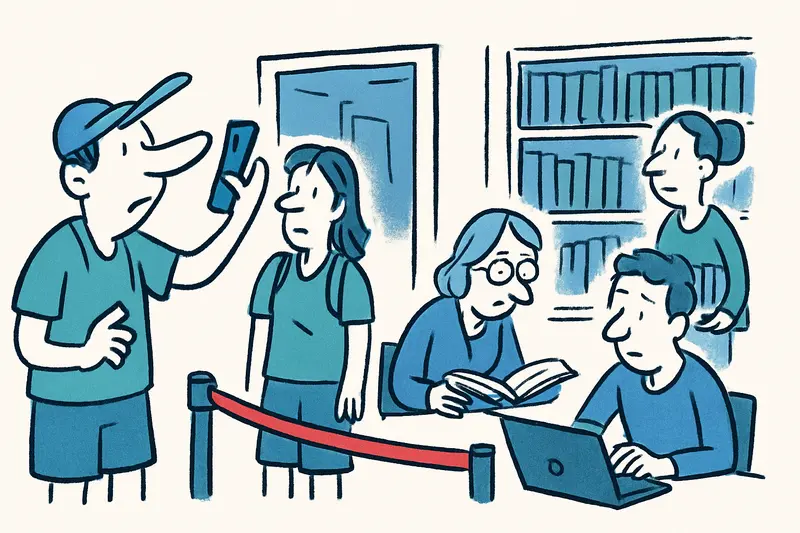
Red Rope in Palma's Library: What Helps Against Selfie Tourism — and What's Missing
Palma's city library cordoned off an area with a red rope to keep selfie tourism away from reading and working activitie...

Fort San Carlos: Museum, Harbor Dispute — and a Conflict That Demands Answers
The military museum at Fort San Carlos sits right on Palma's harbor, with unexpectedly quiet rooms filled with cannons a...
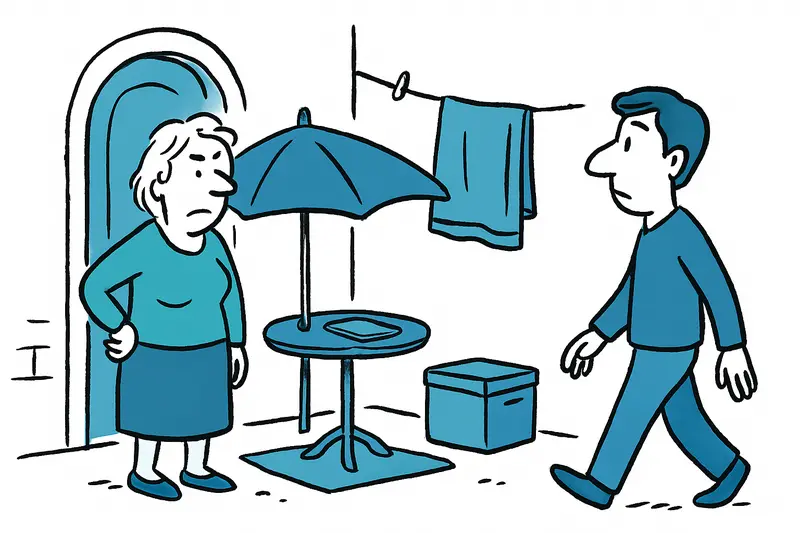
Old Town Under Pressure: When a Doorway Becomes a Sleeping and Shower Place
For months a woman has been living with a parasol, a clothes rack and personal belongings next to the social welfare off...
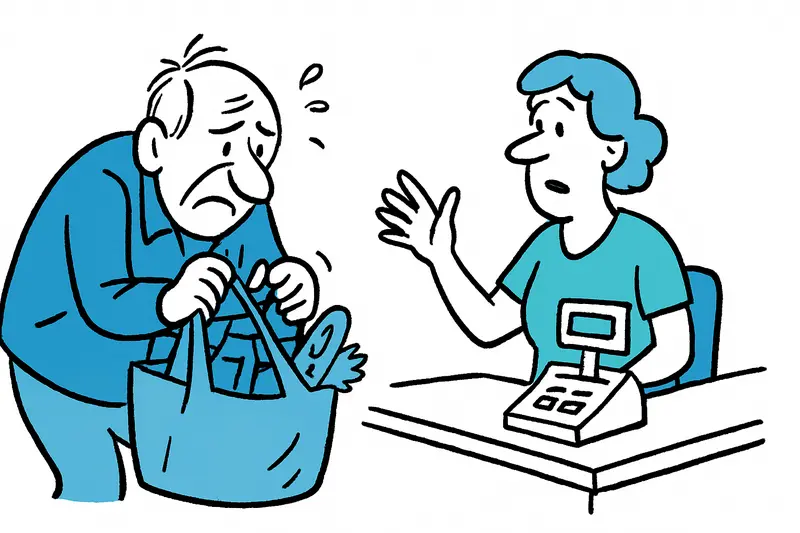
When Shopping Weighs Heavier: Mallorca Demands a Tax Pause on Food and Fuel
Rising prices are putting pressure on households and agriculture. The Balearic Islands are calling for temporary tax rel...
More to explore
Discover more interesting content

Can Cap de Bou

Townhouse Lleo 72
