
Reality check at Playa de Palma: Why the promenade isn't clean after party nights
Reality check at Playa de Palma: Why the promenade isn't clean after party nights
A user filmed meters of rubbish on the Playa de Palma promenade on Sunday morning. What lies behind the recurring chaos — and what concrete solutions exist for residents and tourism?
Reality check at Playa de Palma: Why the promenade isn't clean after party nights
One guiding question, a morning snapshot and many open issues
Guiding question: Why are there not only empty cups but piles of packaging and food waste on the Playa de Palma promenade after a long night of partying — even though cleaning services and municipal teams are regularly deployed?
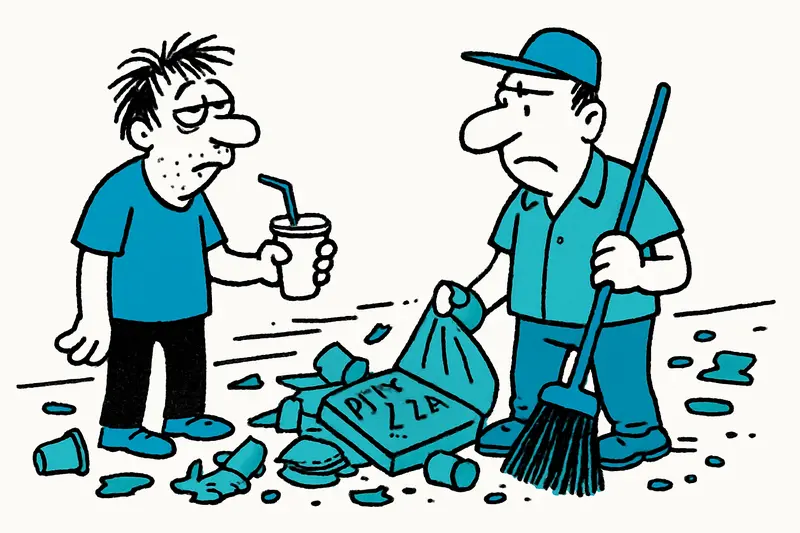
Early on Sunday morning, shortly after sunrise, a user's phone video provides a snapshot: seagulls circle, hotel guests with suitcases shuffle by, the streetlights have not yet fully gone out. On the ground are stacks of pizza boxes, disposable tableware and drink cups; you can hear the clatter of street sweepers, but they can only start once the partygoers are gone. This is what everyday life looks like in some sections of the playa promenade — and it feels like the problem gets a bit worse every year.
Critical analysis: the picture has two sides. On the one hand, it's the obvious misbehavior of individuals: alcohol, single-use products, lack of respect for public space. On the other hand, the scene shows a systemic failure. Waste bins are missing at key points, the emptying schedule does not match nighttime use, and legal consequences for those responsible are rarely felt. In addition, cleaning teams can often intervene only when the streets are free — the hours between the end of the party and regular work start remain a grey zone.
What is often missing from the public discourse: hard numbers and clear responsibilities. How many deployments does the municipal cleaning service carry out in the early season? What fines have been imposed and how often? How do bars, beach venues and event organizers cooperate with the city administration to reduce waste? These details are crucial so that residents, business owners and guests can understand whether the issue is individual misbehavior or structural gaps. Local residents and associations have compiled proposals addressing these gaps (see Playa de Palma Demands Responsibility: A 36-Point Plan for Cleanliness, Greenery and Safety).
Another gap: the perspective of local residents. For people who live on the promenade, the morning cleanup and the smell are not side notes but a regular nuisance. I see it on the way to the bakery: older residents with shopping bags avoid the cardboard piles, children sometimes have to take different routes, and conversations at the street cafés quickly shift from "nice weather" to "when will something finally change here?" Comparable frustration has been documented for the nearby waterfront in other reports (see Paseo Marítimo: Trash, Noise and the Smell of Urine – How Much Nightlife Can the Promenade Handle?).
Concretely: what would help (and can be implemented quickly). First, accessible waste points: more and larger bins at known hotspots — clearly labeled for glass, residual and packaging waste — and more frequent emptying in the late-night/early-morning hours during the high season. Second, a visible enforcement and patrol team between 3 and 6 a.m. that issues fines and thus creates deterrence. Past control actions have sometimes escalated into confrontations (see Tumults at Playa de Palma: When Controls Threaten the Beach Scene). Third, binding rules for bars and organizers: no use of single-use plastics at raucous events, deposit systems for cups, and a cleaning plan as part of the event permit.
In the long term, structural adjustments are needed: fee or licensing conditions for businesses on the promenade that account for cleaning costs proportionally; better shift planning at Emaya so that capacity is available not only during the day but also in the critical morning hours; and a monitoring system (simple geotagging of deployment photos) so the administration has traceable data on the effectiveness of individual measures.
Local initiatives also promise impact: neighborhood groups that clean up with volunteers once a week, awareness campaigns in hotels at check-in and cooperation with bus companies to sensitize guests en route to the coast about proper behaviour. Such projects cost little but create visibility and social pressure.
A small everyday example: on a weekday in May on the Passeig, a trash bin — almost full — and next to it a freshly cleaned section because the cleaning team had worked with three vehicles the night before. That shows: when resources and timing are right, the problem is manageable. When both are missing, cardboard piles rise like invisible memorials.
What politicians and administrations should do concretely: clear requirements for events, transparent access to deployment data, targeted staff increases in the early season and pilot tests for deposit systems at festivals. Resident participation must not be lip service — regular roundtables with residents, business owners and cleaning staff are necessary to develop practical solutions.
Conclusion: the scene at Playa de Palma is not a natural occurrence but the result of human decisions — by partygoers, by businesses and by administrations. Anyone who dismisses the problem as merely "tourist misbehavior" overlooks the organizational shortcomings. With a combination of better infrastructure, targeted enforcement and local education measures, the promenade can be made into a place where travellers and neighbours can coexist respectfully. It will take work — but it is not fate.
Frequently asked questions
Why is Playa de Palma often dirty after party nights?
What is Playa de Palma like early in the morning after a night out?
Are there enough bins on the Playa de Palma promenade?
When can street cleaning start on Playa de Palma after nightlife?
What would help reduce litter on Playa de Palma?
How do Playa de Palma residents experience the cleanup problem?
What role do bars and event organizers have in keeping Playa de Palma clean?
Is Playa de Palma’s litter problem getting worse every year?
Similar News
Rental Car Theft in El Arenal: What This Incident Reveals About Our Gaps
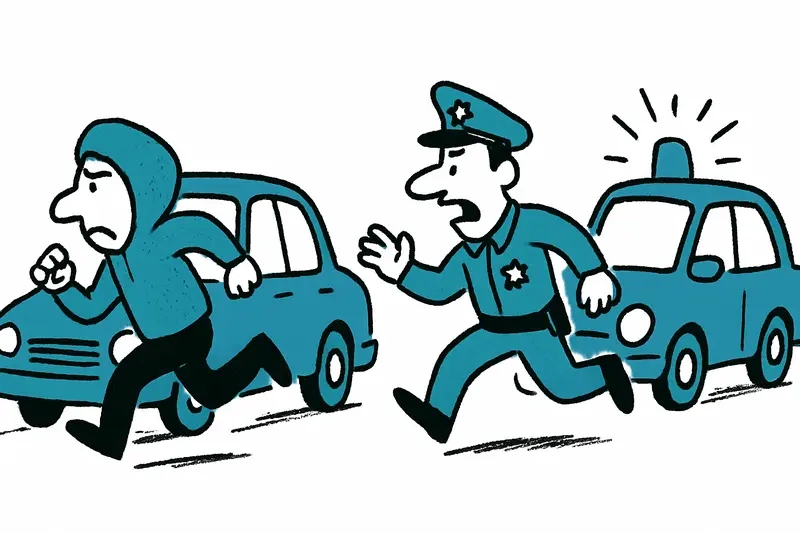
A teenager steals a running rental car in El Arenal, flees on foot, climbs over walls and is caught by the Guardia Civil...

Red Rope in Palma's Library: What Helps Against Selfie Tourism — and What's Missing
Palma's city library cordoned off an area with a red rope to keep selfie tourism away from reading and working activitie...
Fort San Carlos: Museum, Harbor Dispute — and a Conflict That Demands Answers
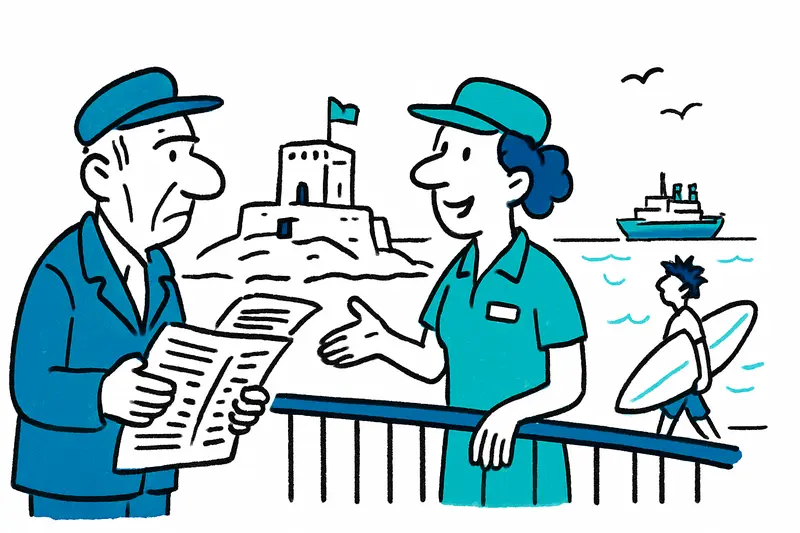
The military museum at Fort San Carlos sits right on Palma's harbor, with unexpectedly quiet rooms filled with cannons a...
Old Town Under Pressure: When a Doorway Becomes a Sleeping and Shower Place
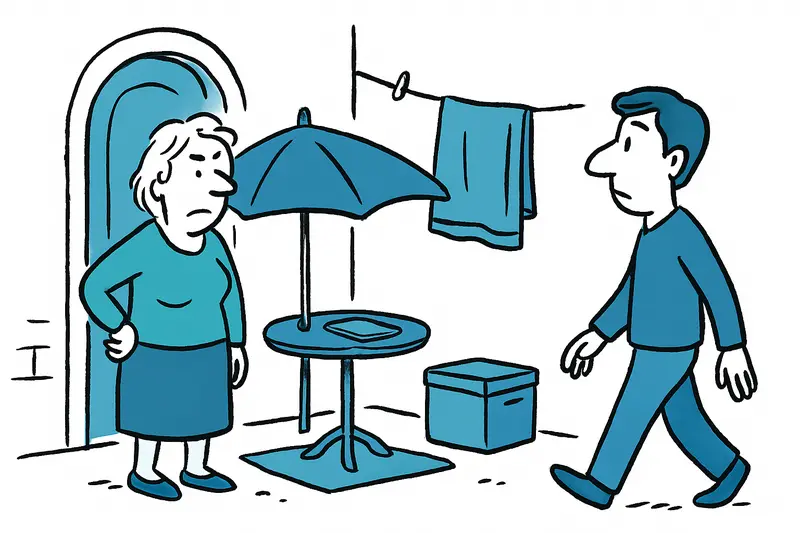
For months a woman has been living with a parasol, a clothes rack and personal belongings next to the social welfare off...
When Shopping Weighs Heavier: Mallorca Demands a Tax Pause on Food and Fuel
Rising prices are putting pressure on households and agriculture. The Balearic Islands are calling for temporary tax rel...
More to explore
Discover more interesting content

Can Cap de Bou

Townhouse Lleo 72
