

Playa de Palma Demands Responsibility: A 36-Point Plan for Cleanliness, Greenery and Safety
Residents and local associations handed a concrete 36-point catalog to city hall for Playa de Palma. It's not just about more bins, but about lasting structures, financing and oversight — and the question of who will actually do the work.
Playa de Palma Demands Responsibility: A 36-Point Plan for Cleanliness, Greenery and Safety
In the late afternoon, when the sun has already softened and the wind carries the smell of the sea along Calle Goya, residents gathered in front of city hall. Between screeching seagulls and the distant horn of Avenida Americas, more than paper was handed over: an expectation. The neighborhood submitted a 36-point plan that seeks more than cosmetic fixes. Who will take long-term responsibility for this corner of the island was the central question repeatedly heard.
More than Cleanliness: The Guiding Question
The list is practical and honest: more trash bins, regular weeding, clean curbs, additional benches and better lighting. But the initiative goes further: with the population rising from 12,679 in 2000 to 25,821 in 2024, the neighbors pose the crucial question of lasting responsibilities. It is about who cleans outside the tourist season, who ensures care and health services, and who maintains infrastructure when fewer staff are available.
What the Proposals Could Really Change
Many of the 36 points sound banal but have an immediate effect — clean sidewalks change how people use the Paseo; more lighting reduces dark corners and creates a sense of security you can almost read from faded walls and newly painted lampposts. Other proposals are strategic: the redesign of the Torrent des Jueus into S'Arenal's "green lung", new sports areas in Las Maravillas and Las Kelly, or the study of a rail connection toward Llucmajor. Such interventions can relieve traffic, create social meeting points and act preventively against nighttime problems, as discussed in Playa de Palma en transformación: entre los sueños del Passeig y la realidad cotidiana.
The Underestimated Challenges
Less visible but equally important are structural issues: seasonal service planning, permanent positions in health and care, and coordinated administrative practices. The initiative therefore calls for a permanent medical center, a day center, a nursing home, extensions to the Instituto de La Ribera, a youth center and a public library. These demands are not about prestige projects but about making the neighborhood functional for everyday life, where young families and older residents live side by side.
Control Plus Social Work Instead of Pure Repression
Part of the demands concerns stricter enforcement: enforcing closing times, tighter monitoring of illegal street vending, and consistent action against gambling fraud, drug dealing and prostitution. The neighbors, however, emphasize clearly that repression alone is not enough. Anyone who knows the Paseo in the evening knows: some problems have social roots. A promising approach is a combination of firm enforcement, low-threshold social work, day programs and leisure activities for young people — prevention rather than only sanctions.
A Concrete Roadmap Instead of a Wish List
The initiative also provides a minimalist implementation plan: prioritization in three stages (immediate, medium-term, long-term); a clearly assigned budget with fixed items for gardener and maintenance teams; pilot projects for the Torrent des Jueus; and a citizens' panel to monitor deadlines and progress. Funding proposals include municipal funds, EU regional funds, partnerships with local businesses and targeted support programs for small entrepreneurs.
Measurable, Transparent, Citizen-Oriented
Real change requires metrics: kilometers of streets cleaned per month, response times for repairs, occupancy figures at the health center, and regular status reports from the citizens' panel. The neighborhood suggests making such indicators public — for example on a monthly website or an information board on the Paseo — so that not only politicians but also local people can see whether measures are working.
What Is Often Missing in the Debate
Too rarely is the question asked how short-term clean-ups can be turned into sustained maintenance. Who will fill the new positions when the season ends? How can a tidy Paseo be prevented from becoming overgrown again after a few months? The initiative names this problem and calls for binding staffing plans, training and continuing education offers for local gardeners and craftsmen, and cooperation with schools and associations — so maintenance becomes part of everyday life, not a one-off event.
An Offer and a Call to Action
Whether the city council adopts all proposals remains open. Still, the handover of the 36 points was more than a formality: it was a clear wake-up call. When the wind comes from the sea and the scent of pine and salt hangs over the Paseo, it quickly becomes clear where action is needed. The neighborhood has presented its blueprint — now it is about responsibility, financing and above all transparency. In the end, it does not matter who had the idea, but who sustains it in the long run.
Frequently asked questions
Why are residents in Playa de Palma asking for a 36-point plan?
What changes could make Playa de Palma feel cleaner and safer?
When is the best time to visit Playa de Palma if you want a calmer atmosphere?
Is Playa de Palma being planned as a greener area?
What is the plan for Torrent des Jueus in Playa de Palma?
Are there plans for better public transport in Playa de Palma?
What services do residents want in Playa de Palma beyond tourism?
How do residents want Playa de Palma to deal with late-night problems?
Similar News
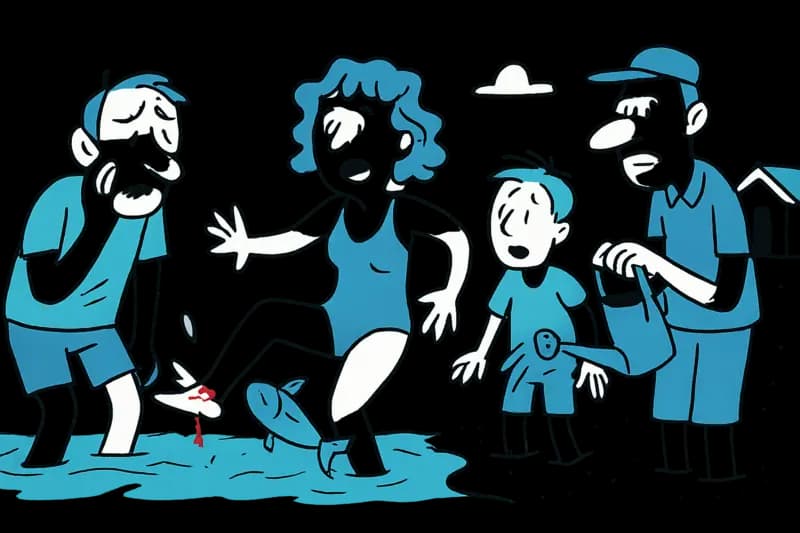
Why the Striped Breams in Cala Pí Should Be a Wake-up Call
Once again bathers in Cala Pí were surrounded while swimming by small, nippy fish — some wounds bled. Time for clear rul...

Daily from New York: How Palma's Air Traffic Is Growing — and What Must Change
United will increase the Newark–Palma service to daily flights in 2027 (Boeing, 231 seats). Strong tourist numbers clash...

When Love Ends in Shards: Destruction in Son Vida and the Questions That Remain
In Son Vida a relationship dispute escalated: a woman destroyed furniture in a luxury villa, later pressed a panic butto...
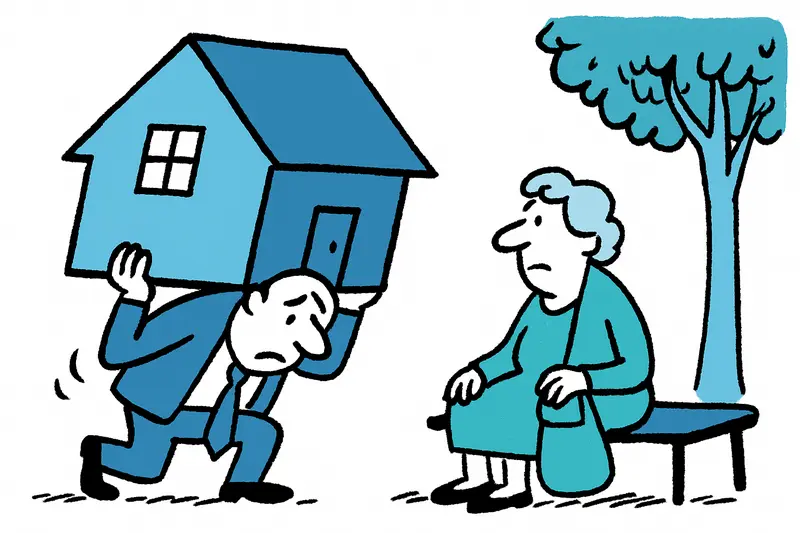
Who Bears the Burden? Mallorca Between Tenant Protection and Landlord Fears
Madrid's new housing decrees strengthen tenant rights — but on Mallorca concern is growing: will the law drive small lan...
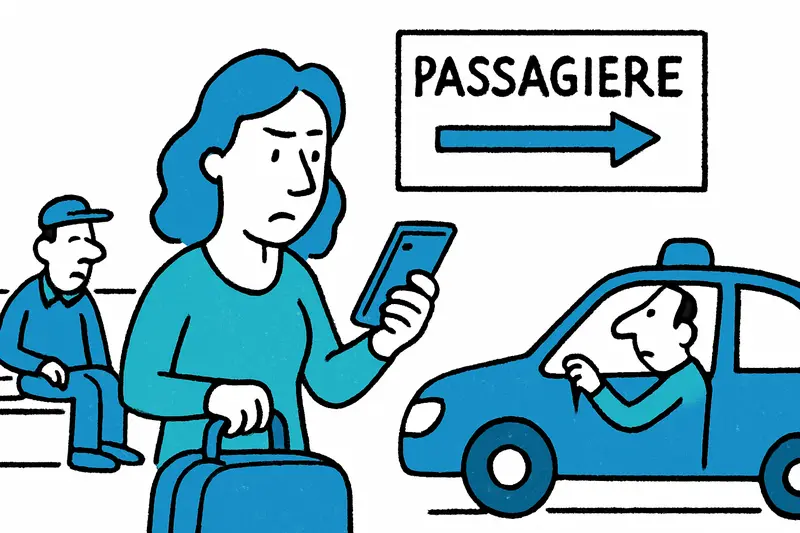
On the Edge: What Mallorca's Airport Loses If a Major Low-Cost Carrier Falters
The company that operates numerous connections from Palma to France and domestically is negotiating with creditors to re...
More to explore
Discover more interesting content

Can Cap de Bou

Townhouse Lleo 72
