
Paseo Marítimo: Trash, Noise and the Smell of Urine – How Much Nightlife Can the Promenade Handle?
Residents and businesses on the Paseo Marítimo complain about nightly parties, overflowing bins and a lack of public toilets. What's missing: more enforcement, clear rules and transparency.
"You can't sleep like this anymore" – the central question at the promenade
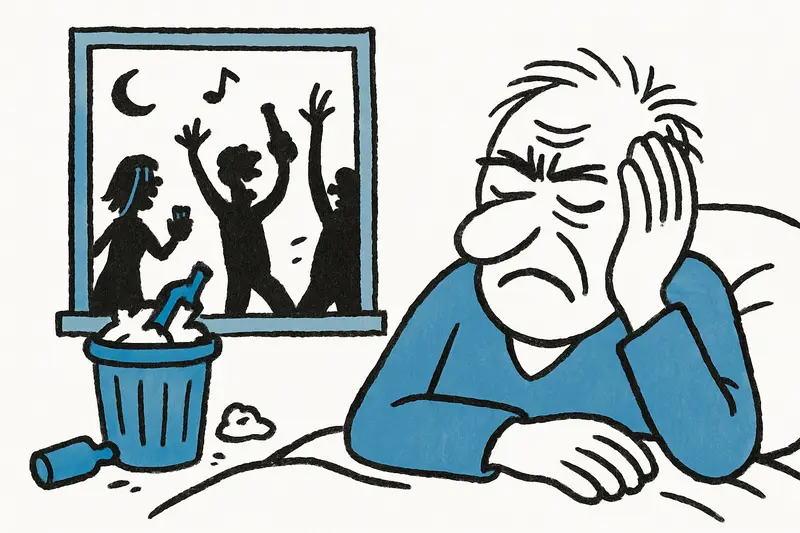
On a warm Tuesday evening, the salty sea breeze mixed with the smell of beer cans and, unfortunately, urine. I stood on the corner of Calle de Mar. At 11:30 p.m., loud music came from three venues, two groups laughed loudly on the harbor wall, and shards of glass crunched underfoot. The question that bothers everyone here is simple yet complex: How much nightlife can the Paseo Marítimo tolerate without residents, hoteliers and shopkeepers having to pay the price?
Who pays the price – and why?
Residents report sleepless nights and daily clean-ups in front of their doors. Many now avoid opening windows facing the promenade on weekends, as described in Paseo Marítimo: Residents Take Stock – From Promenade Boulevard to a Nighttime Problem. Hoteliers say guests knock on reception at two or three in the morning because the music never stops. Business owners complain about soiled doorways and fear of losing regular customers. A supermarket on the corner has a reputation for not always keeping hygiene standards – a problem that can become particularly unpleasant in summer, an issue also reported in Paseo Marítimo: Big Spending, Little Everyday Usefulness.
Why it isn't just a question of more bins
More bins only help to a point if they are quickly overflowing. And even if cleaning vehicles come more often: that alone does not automatically change behaviour. It's a mix of lacking infrastructure, understaffed police and regulatory services, economic interests of venue operators and an often unpredictable flow of tourists. Cruise ship days in particular bring hordes of people to the promenade in a short time – creating an acute waste and toilet problem.
A detail rarely said out loud: Many measures fail not because of laws but because of the will to enforce them. Fines only work if they are imposed. Closures only help if they are actually carried out. And investments in public toilets only make a difference if they are clean and safe – otherwise they remain unused.
What is barely discussed: the role of cruises and short-term rentals
The rapid turnover of crowds from cruise excursions and the high number of short-term guests in apartments increases pressure on infrastructure. The daytime bustle does not end automatically; it shifts into the evening hours. Locals then experience the consequences: mountains of trash, urine smells in building entrances and sidewalks that resemble afterparty stages.
Concrete solutions — realistic and doable
City planners, regulatory authorities and the police must pull together. That doesn't mean lip service, but concrete, traceable steps:
- Temporary toilets at cruise- and weekend peaks: They cost money but visibly reduce dirt and urine smells. Mobile solutions could help in the short term.
- Decibel measurements and binding volume limits: Fixed limits for outdoor dining and regular measurements. Modern devices create transparency and make fines easier to enforce.
- Night patrols and community policing: Visible presence, especially during the critical hours between 11 p.m. and 3 a.m., combined with contact points for residents' complaints and quick feedback.
- Tougher sanctions: Repeated violations must have consequences — from hefty fines to temporary closures.
- Transparent control reports: Citizens want to know: How often was enforcement carried out, how many fines, which closures? Disclosure builds trust.
- Partnerships with local operators: Incentives for clean outdoor areas, joint clean-up days or free disposal for event waste could alleviate the problem.
Opportunities – yes, they exist
The promenade is one of Palma's most beautiful places. It can remain lively without becoming a nighttime burden. With clear rules, visible enforcement and investment in infrastructure, a balance can be found: visitors keep their good time, residents keep their sleep, and businesses keep their customers.
When I left the Paseo Marítimo I noticed a half-full beer can in the stone gutter. Not a catastrophe, but a symptom. This is not a drama that will disappear overnight. It is a task for the administration, the police and local businesses — and for all of us who live and work here. If everyone contributes a little more, the promenade will soon sound like it should: waves, conversations and occasional laughter — not an endless disco and cleaning effort.
Summary: Residents, hoteliers and traders on the Paseo Marítimo demand stronger enforcement, public toilets, fixed quiet hours and transparent reports on interventions. Proposed solutions range from mobile toilets and decibel measurements to harsher sanctions for repeat offenders, concerns echoed in local reporting such as When the Benches Become a Bar: Residents Sound the Alarm on the Paseo Marítimo.
Frequently asked questions
Is the Paseo Marítimo in Mallorca noisy at night?
Why do residents complain about trash and urine smells on the Paseo Marítimo?
What time of year is the Paseo Marítimo most crowded?
Can you still sleep near the Paseo Marítimo in Palma?
Are there public toilets on the Paseo Marítimo in Mallorca?
What measures could improve the Paseo Marítimo in Palma?
Is the Paseo Marítimo in Palma still a good place to visit?
Which parts of the Paseo Marítimo are most affected by nightlife?
Similar News

Maribel: Five Decades of Service – Housekeeper from Peguera Celebrated with a Special Honor
Over 50 years in the hotel business: María Isabel “Maribel” Molinos was honored in Palma at the Nit del Turisme by Unive...

Orange Alert over Parts of Mallorca: Are We Prepared?
Dark clouds and an announced wet spell have triggered an Orange alert in parts of Mallorca. A reality check: what's miss...

Sundair & Co.: Sale speculation and what it could mean for Mallorca
Rumors about a possible sale of the airlines Sundair and Fly Air 41, which belong to Schauinsland-Reisen — and whether b...
Anne Wünsche in Mallorca: A job offer with a catch — who fits the role of personal assistant?
Influencer Anne Wünsche has left Berlin and is urgently looking for a full-time personal assistant in Mallorca. Why the ...

Daily from New York: Palma Between Boom and Strain
United will increase the Newark–Palma route to daily flights in 2027 using Boeing aircraft (231 seats). What does the in...
More to explore
Discover more interesting content

Can Cap de Bou

Townhouse Lleo 72
