
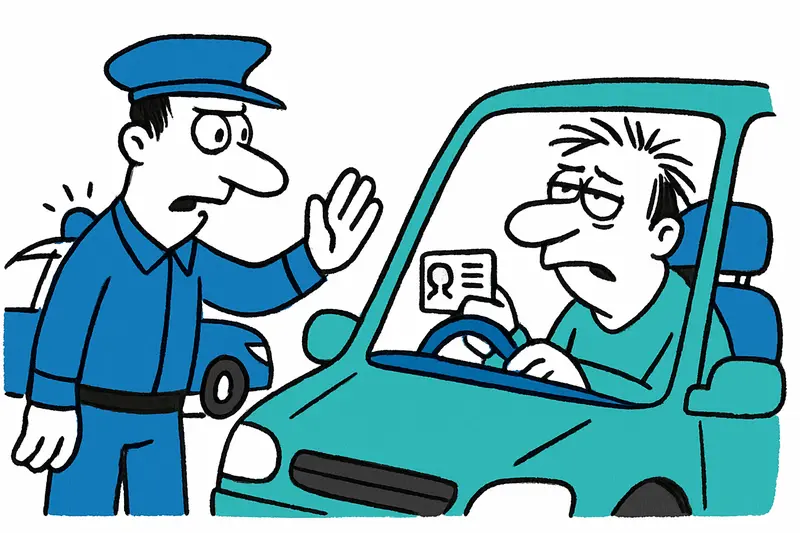
More than 350 drivers without a driver's license in the Balearic Islands: Why the problem on Mallorca shouldn't exist
The Guardia Civil stopped over 350 drivers this year who had no valid driving licence. Beyond fines, there are risks of accidents, high liability and overstretched authorities. Why so many are behind the wheel even though they shouldn't be — and what the island can do about it.
More than 350 stops this year: A problem that hits the road
When the lights of the Via de Cintura pass me by in the evening or the country road to Alcúdia thunders on a Sunday, you see them: drivers without papers, often unremarkable, sometimes reckless. This year the Guardia Civil in the Balearic Islands has stopped more than 350 people who could not produce a valid driving licence. Some never passed a test, others continued to drive despite losing points or having their licence revoked by a court; this ties into why Only One in Three Passes: Why the Driving Test in the Balearic Islands Rarely Succeeds on the First Try.
What lies behind the checks
The stops took place everywhere: night raids on the outskirts of Palma, spot checks at roundabouts in Manacor, controls after concerts and in holiday areas. Witnesses describe scenes you would not expect: people coming straight out of bars, drivers with alcohol or drugs on their breath, in some cases even people driving to the testing centre — apparently hoping to get their licence back almost incidentally. That is dangerous and naive at the same time.
The legal consequences are clear: driving without a licence is a serious offence. Fines, community service and, in severe cases, imprisonment are possible. Added to that are longer suspension periods, loss of points and the financial risk in accidents — those who drive without valid papers risk insurers refusing to pay.
Why the issue concerns all of us
It is not just about the individual driver. When emergency vehicles take longer in places like Llucmajor or Sa Pobla or neighbours complain about nighttime noise, the community feels the consequences — a problem highlighted by New ambulances, empty seats: How a drivers license shortage is slowing Mallorca's emergency services. Police and courts tie up resources; road safety suffers. Taxis and buses are available, but are often ignored out of habit or to save money. And yes: the sound of sirens in the distance reminds us that this is about more than administrative matters.
Less highlighted aspects
Less attention is paid to how much social and economic reasons play a role. Licence costs, complicated administrative procedures or language barriers particularly affect seasonal workers and young people, and the backlog of tests is significant — see Exam backlog in the Balearic Islands: 7,000 driving students waiting — why are examiners missing?. There is also a network of informal solutions: carpooling without insurance, borrowed keys, loopholes at rental companies. And: those who have lost their licence sometimes try to manage on their own out of fear of bureaucracy — instead of seeking help.
Concrete proposals instead of shrugged shoulders
Controls alone help in the short term, but do not solve the underlying problem. What could help:
1. Low-threshold reintegration: Subsidised refresher courses and clear steps to reissue licences, especially for young drivers and seasonal workers.
2. Better late mobility: Extending taxi and bus services into the late hours, clear night offers in tourist centres and for shift workers.
3. Local prevention: Information campaigns in bars, on construction sites and at driving schools — in several languages.
4. Use technology: Digital checks at rental companies and automatic licence verifications at rental stations, as seen when temporary measures were required for ambulances in December due to driving licence technical issues.
In the short term, further checks and legal actions will reduce the number of cases. In the long term, however, we need a mix of prevention, low-threshold educational offers and better night transport. The island needs safe roads. This is not an abstract appeal — it is the children on the way to school, the pensioner at the roundabout and the emergency services that need to be faster. If we do nothing, we will pay for it in accidents linked to distraction in the Balearic Islands, court files and a worse community life.
The Guardia Civil will continue to carry out checks — and that is a good thing. But excluding people does not help. If we seriously want fewer people driving without a licence, we must address the causes: education, mobility and social accessibility.
Frequently asked questions
Why are so many people in Mallorca caught driving without a licence?
What happens if you are stopped driving without a licence in Mallorca?
Where are police checks for unlicensed drivers happening in Mallorca?
Is driving without a licence a problem for road safety in Mallorca?
Can driving without a licence affect your car insurance in Mallorca?
Why do some people in Mallorca keep driving after losing their licence?
Are taxis and buses a realistic alternative to driving in Mallorca at night?
What can help reduce unlicensed driving in Mallorca in the long term?
Similar News
When Housing Becomes a Matter of Survival: Mallorca Between Rental Frenzy and Everyday Life
The case of 87-year-old Maricarmen showed that on Mallorca many people's lives are poised between affordable and uninhab...
Autumn in Mallorca: When Melancholy Gets a Window
Why autumn quietly tightens here — and how to make use of the mood: walks, culture, candles and the light from Palma to ...
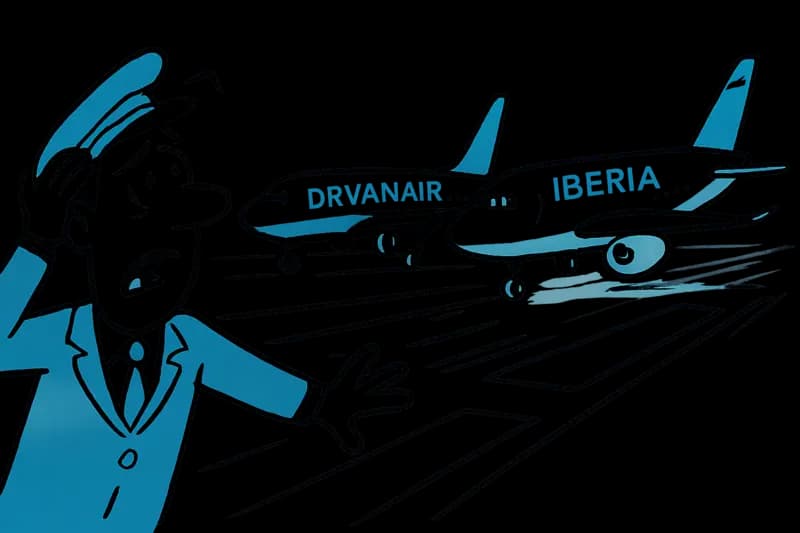
Near-miss on Lanzarote: Landing Ryanair Jet and Iberia Takeoff — what really went wrong
On Lanzarote there was a dangerous incident: A Ryanair flight (FR5910) from Dublin landed on runway 03 while an Iberia E...
Eurowings introduces new Premium Business seats on Mallorca routes
From December 1, selected Eurowings flights to Palma and other destinations will feature eight particularly generous sea...
Car on MA-13 near Inca in flames – a safety check for the island
A vehicle caught fire on the MA-13 towards Alcúdia on Tuesday afternoon. The driver was uninjured, the car was destroyed...
More to explore
Discover more interesting content

Can Cap de Bou

Townhouse Lleo 72
